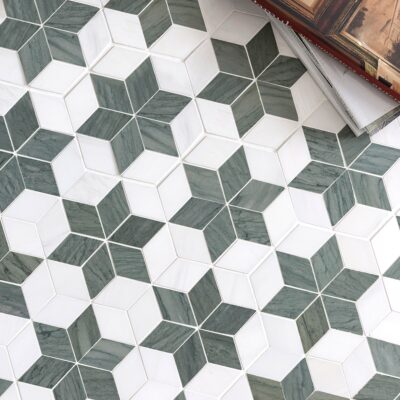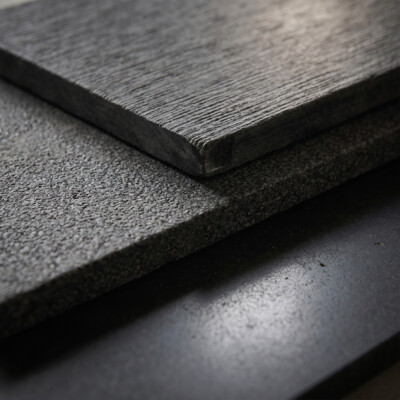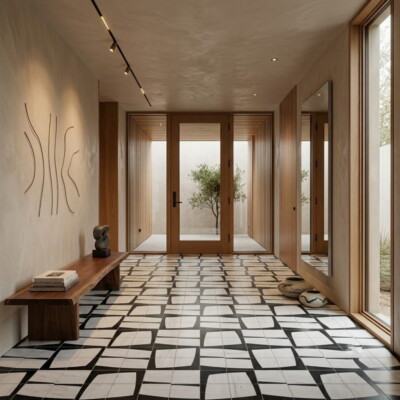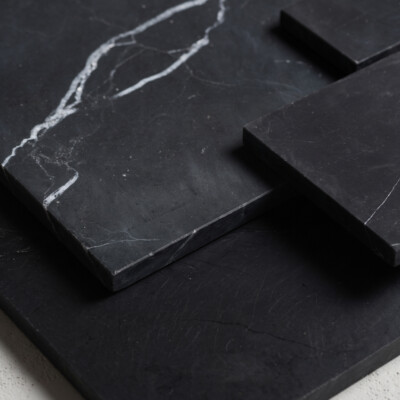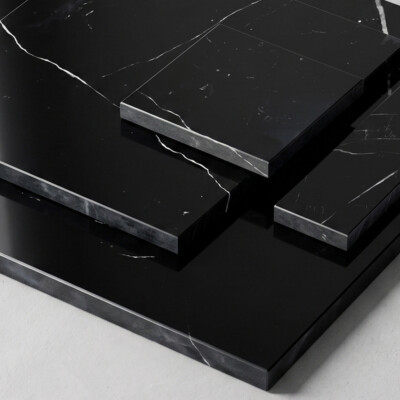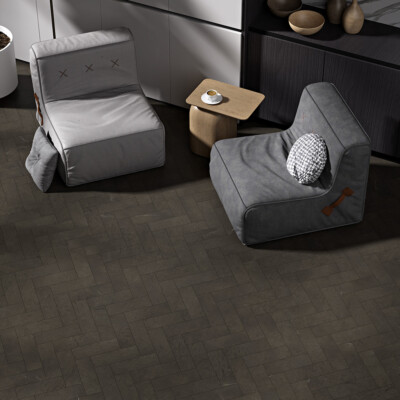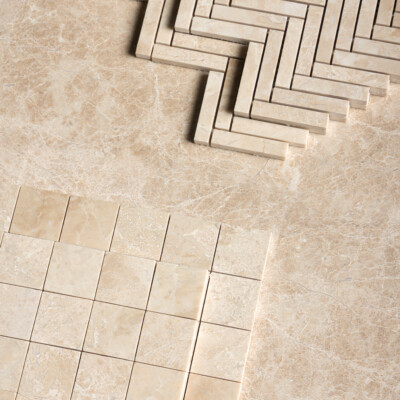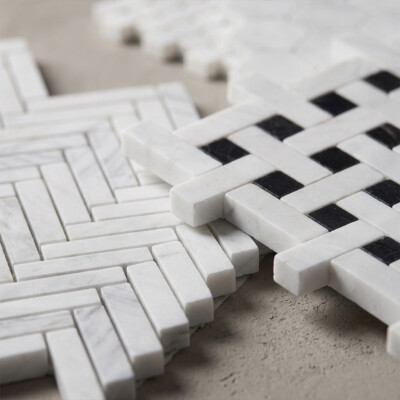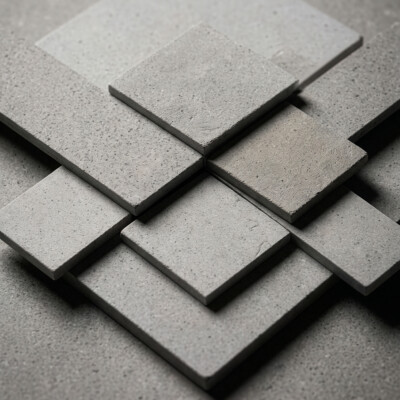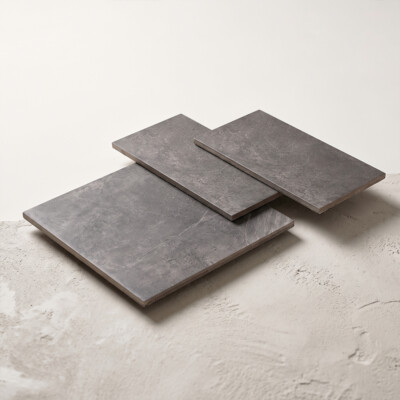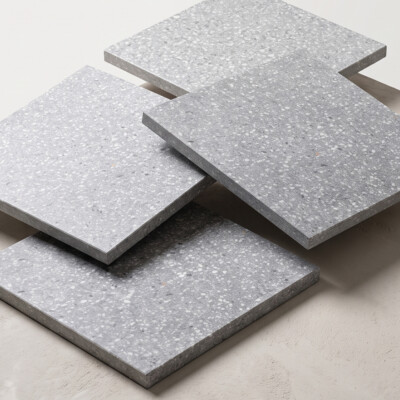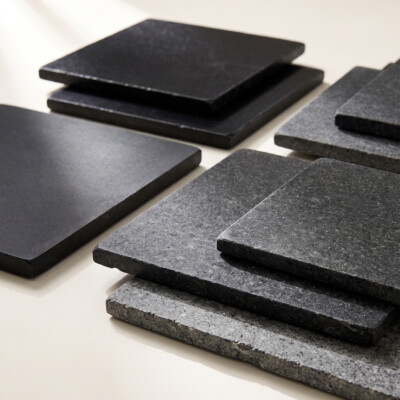
Absolute Black Granite
black, tile, granite

Discover curated Marble Systems collections, compare materials and find the right surface for your project.
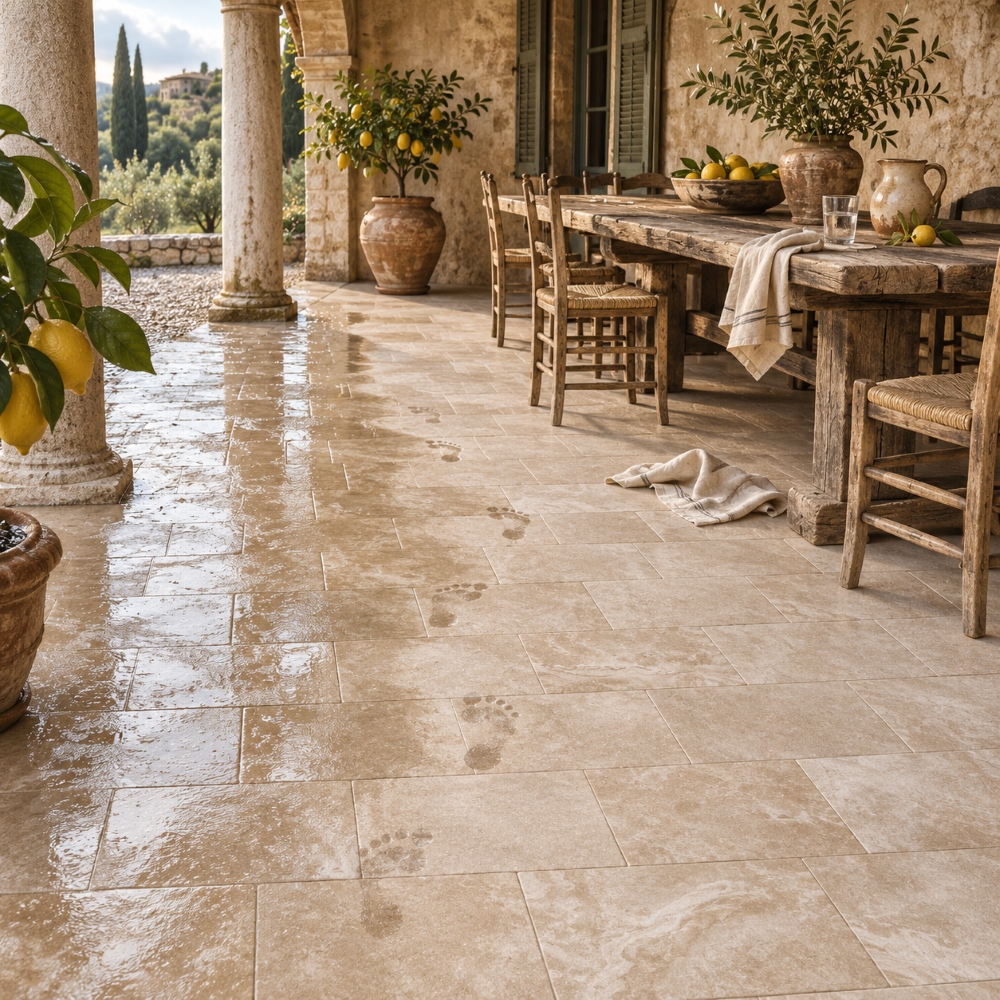
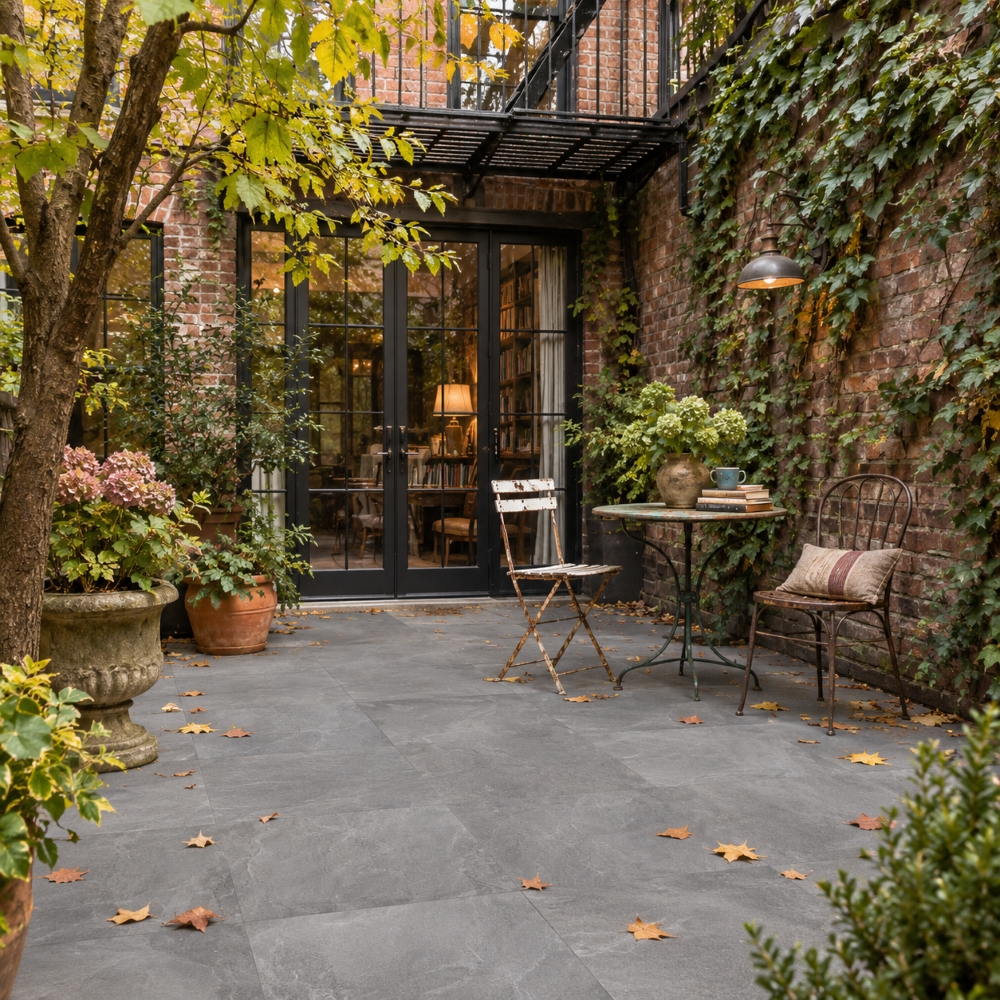
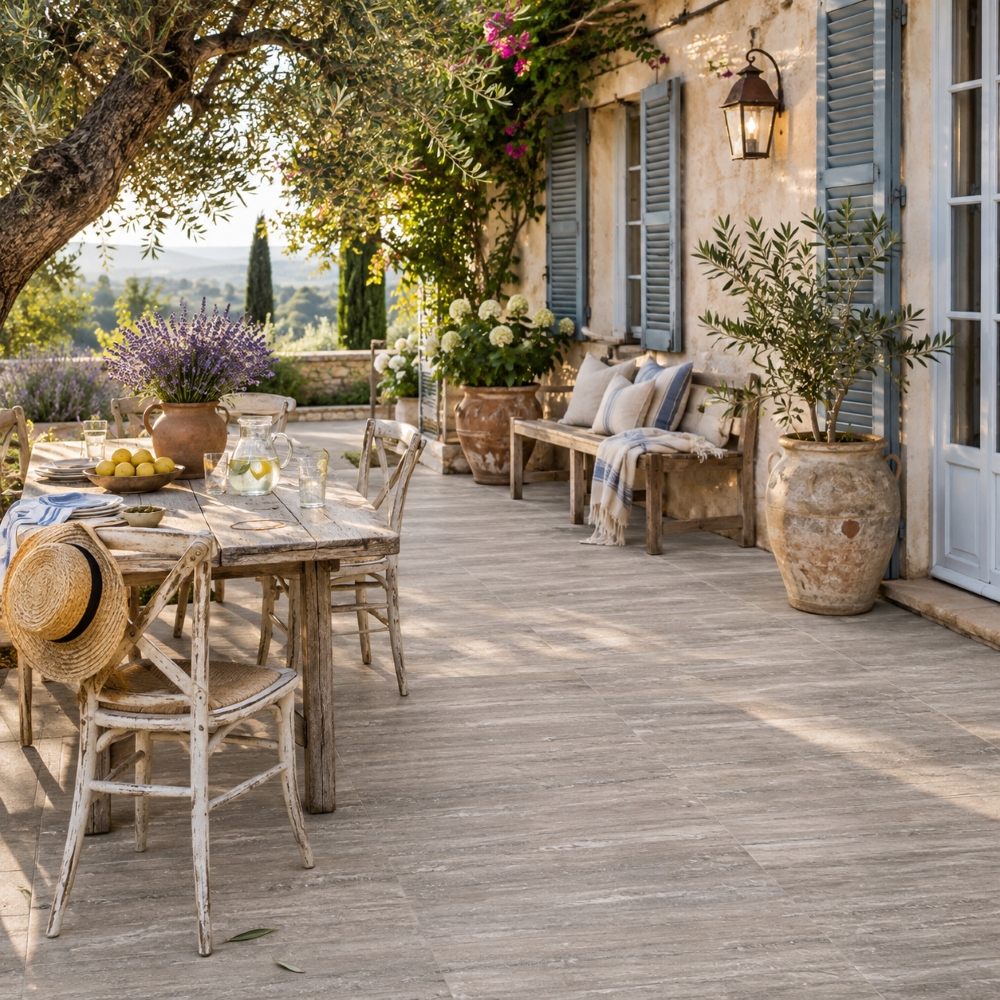
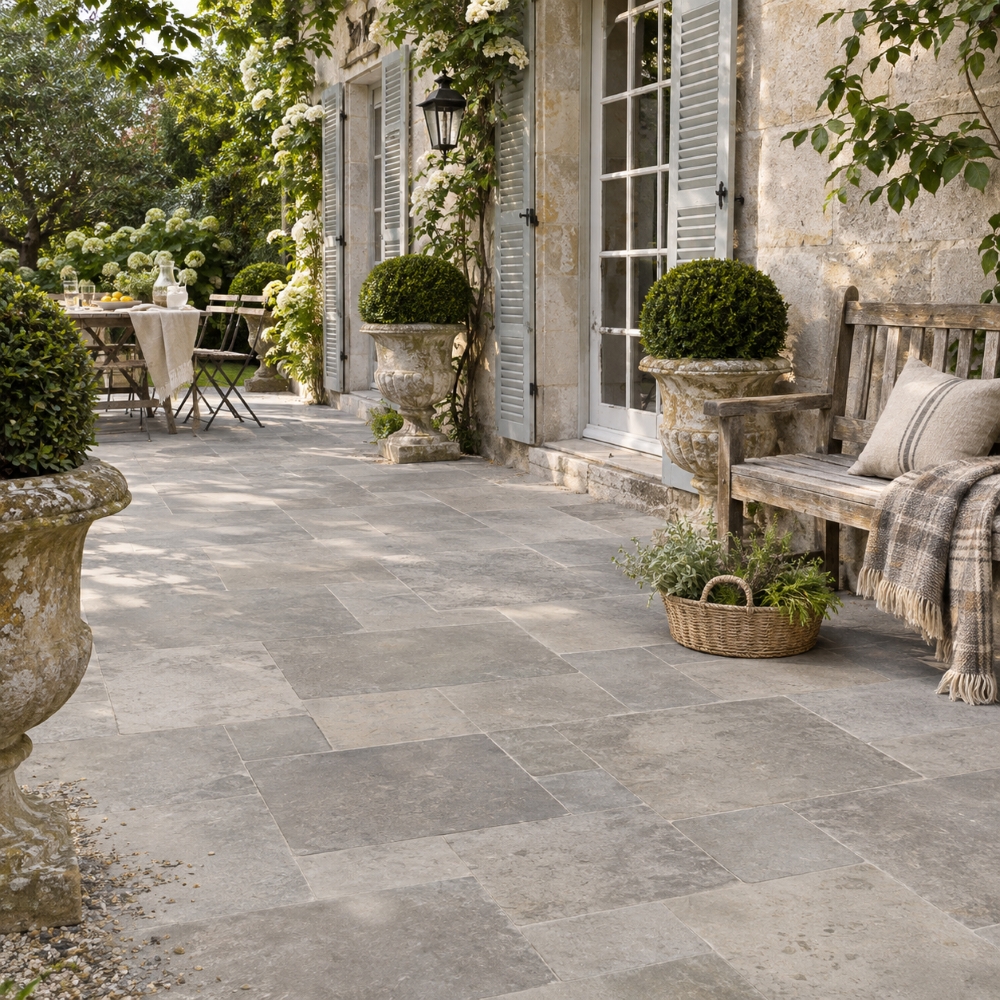
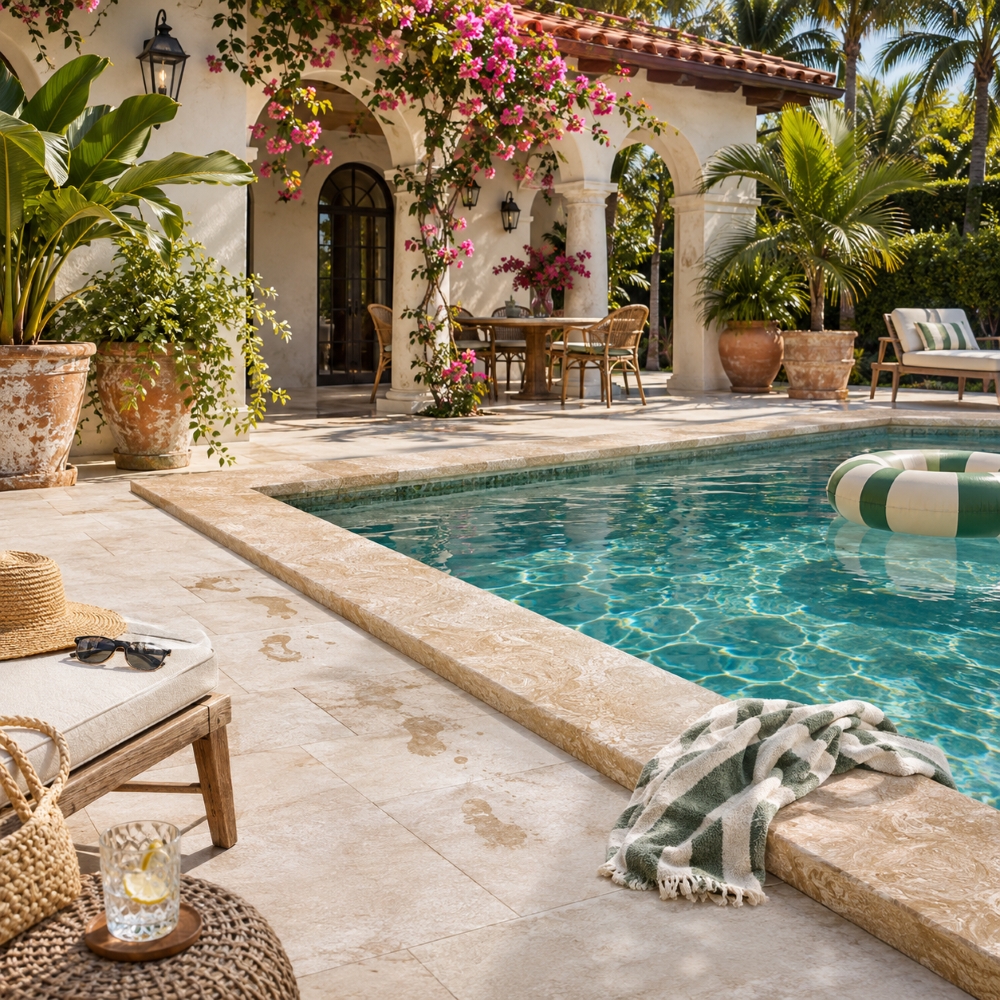
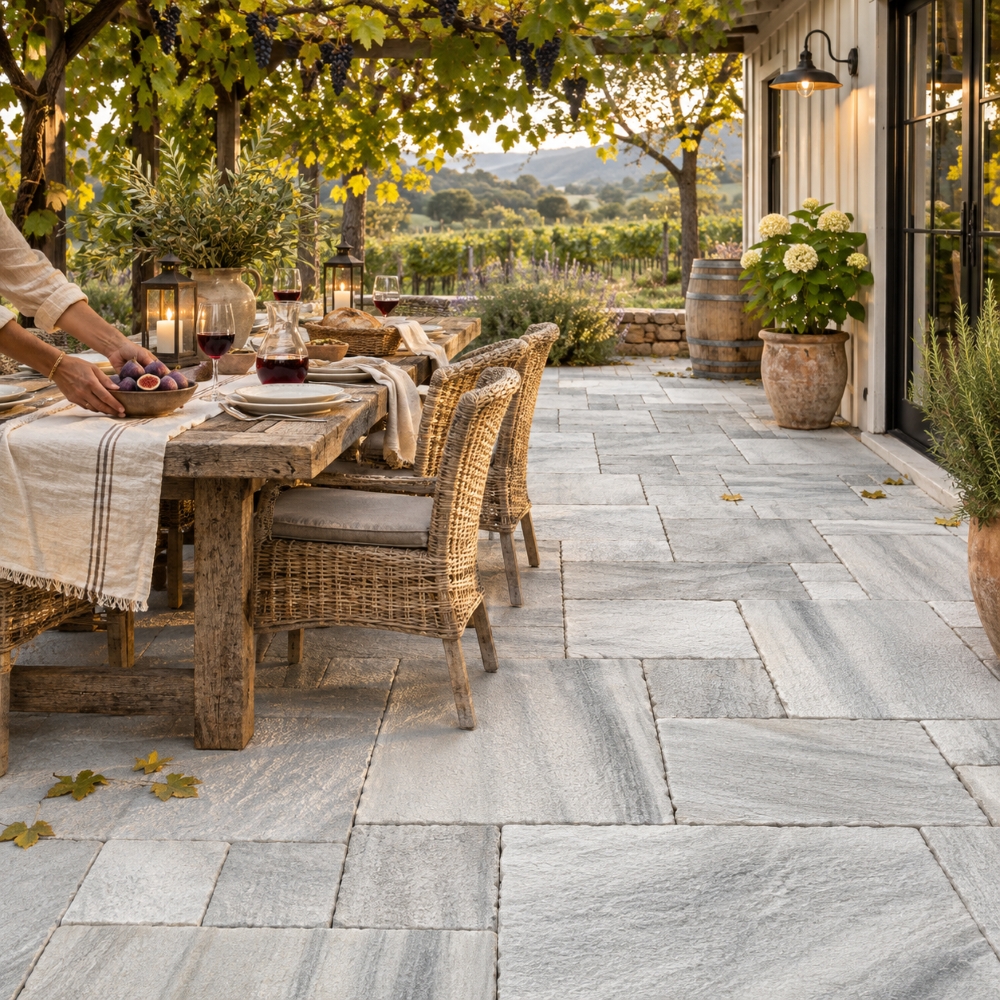
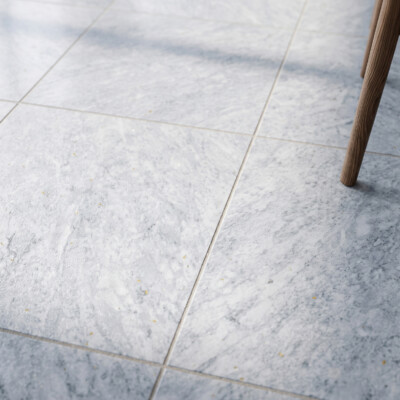
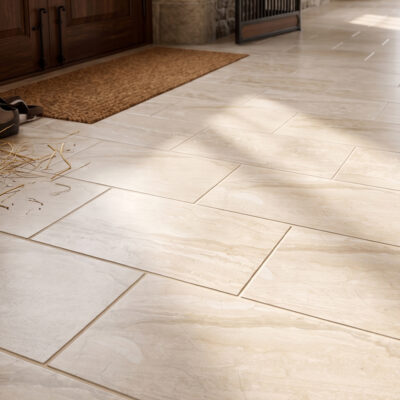
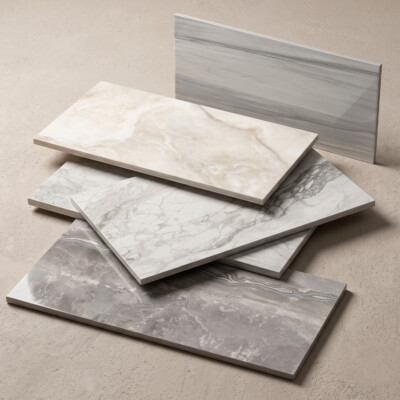
millions of years to form. The real skill lies in reading the slab before choosing what goes on top. Best pavers to put over concrete: 7 checks on thin porcelain, travertine look, limestone and marble for a cracked or old patio. How to Choose Pavers to Lay Over an Existing Concrete Patio 01 of 10 Can You Put Pavers Over Concrete? The Short Answer Yes, in many cases. If the slab is stable, sheds water away from the house and leaves clearance at the doors, an overlay spares you the cost and mess of demolition. In more than four decades of supplying stone for patios, the mistake we see most often is choosing the paver first and inspecting the concrete second. The slab decides what is possible. The stone decides how beautiful it becomes. 02 of 10 Can You Put Pavers Over Cracked Concrete? Check the Slab First Homeowners usually assume the crack is the problem. In reality, the crack is only the messenger. A fine, stable hairline crack is common and can often sit beneath a properly installed overlay. A crack that widens every winter, a sunken edge or a lifted panel means the foundation is still moving, and no paver will hold still on top of it.Watch where rainwater collects for a week. Moisture trapped under an overlay is the most common reason stone pavers turn white a season after they are laid, and it loosens the joints along the way. 03 of 10 Is There Room for Thin Pavers Over Concrete? Every overlay raises the finished surface, and that height has to go somewhere. Measure at each door, the top step and every drain before you look at samples. This is where thin pavers over concrete earn their place: our pavers range from 3/4 inch porcelain to 1 1/4 inch marble, before any setting bed. Where the new surface meets an interior floor, a stone threshold makes the transition look intentional rather than patched, and if the room inside has warm terracotta flooring, a honey toned travertine outside carries that warmth across the doorway. 04 of 10 The Best Way to Install Pavers Over Concrete In a sand set overlay, the perimeter pavers are bonded to the concrete with fortified mortar or adhesive, and the field rests on a thin sand bed, roughly half to three quarters of an inch under industry guidance for thin pavers.A mortar set installation bonds every piece, which feels solid but passes any slab movement straight to the surface. Either way, drains must be raised. Many suppliers stop at the sale. We list where each product is suitable and still ask installers to confirm the method for their site, because the right stone on the wrong setting bed is still the wrong floor.A roof terrace is a different case entirely: there, the best roof deck pavers sit on adjustable pedestals that keep the stone off the membrane and let rain drain underneath. 05 of 10 The Best Pavers to Put Over Concrete Choose with your hands as much as your eyes. Most suppliers sell stone from a photograph. We would rather you wet a sample, stand on it barefoot and see it outdoors in daylight, because that is how you will live with it. 06 of 10 Porcelain Pavers Over a Concrete Patio Customers often assume porcelain is the compromise. In reality, a textured porcelain paver is frequently the smartest answer where clearance is tight, thanks to its slim profile and low absorption. Stone look designs in our porcelain tile collection carry the grain of travertine or bluestone without the extra depth. 07 of 10 Travertine Pavers Over Concrete Travertine brings the warmth concrete never had: open pores, quiet shifts in color and a surface that feels lived in from the first day. Tumbled and brushed finishes grip bare feet better than polished faces. Confirm the thickness and setting method for any travertine tile you plan to use outdoors. 08 of 10 Limestone and Marble Pavers on a Concrete Slab Limestone tile reads as calm and architectural, while textured marble tile pavers carry veining that changes with the light. Both are thicker and more porous than porcelain, so plan for their height. If your winters freeze hard, ask for absorption and freeze thaw test data before you commit, the same checks that matter when choosing the best patio stone for freezing winters. 09 of 10 Pavers Over a Concrete Pool Deck, Steps or Porch Pool decks are the most rewarding overlay and the least forgiving. Finish the edge with proper pool copings rather than cut field pavers. In strong sun, pale, matte stone is far kinder to bare feet than dark or polished surfaces, which is why color comes first when we choose pool deck pavers that stay cooler in the sun.Our pool and spa collection gathers surfaces made for wet ground. On steps, keep every riser equal. Driveways carry vehicle loads and need an engineered design. 10 of 10 Pavers Over Concrete: When to Remove the Slab Instead Remove the concrete if cracks are still opening, sections have heaved or sunk, water runs toward the house, or door clearances cannot be kept. A new base costs more today, yet it is the only foundation that gives stone the decades of life it was formed for. Before You Cover a Concrete Patio With Pavers Bring photos of your slab, threshold heights and drain locations to a Marble Systems showroom, and leave with samples to test in your own light. Finding the best pavers to put over concrete starts with an honest look at what lies underneath, and our outdoor tile collection is the place to begin. Frequently Asked Questions About Pavers Over Concrete Can you put pavers over cracked concrete? Yes, you can put pavers over cracked concrete when the cracks are fine, stable and the slab still drains well, but cracks that keep widening, sinking or lifting mean the concrete should be repaired or removed first. How thick should pavers be to go over concrete? The thinner the paver, the easier the overlay, which is why 3/4-inch porcelain pavers suit tight door and step clearances, while thicker natural stone needs more height to work with. Should pavers over concrete be sand set or mortar set? Sand set pavers over concrete let water drain through the joints and are easier to repair, while mortar-set pavers feel more solid but pass any movement in the slab straight to the surface, so the condition of the slab should decide.
Everything architects, designers and project teams need to know about sourcing, specifying and installing collection — material characteristics, recommended applications and long-term care from Marble Systems.