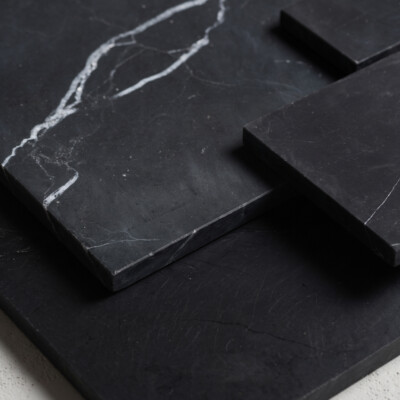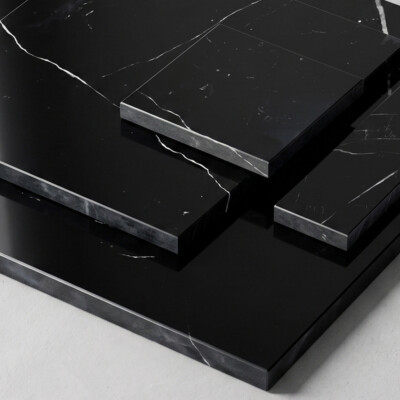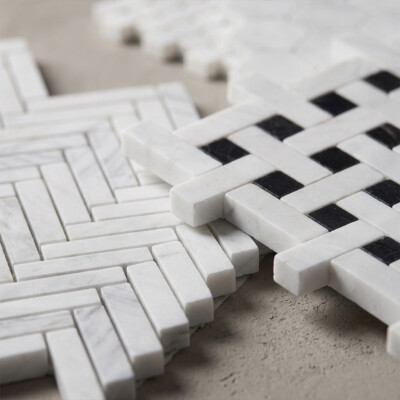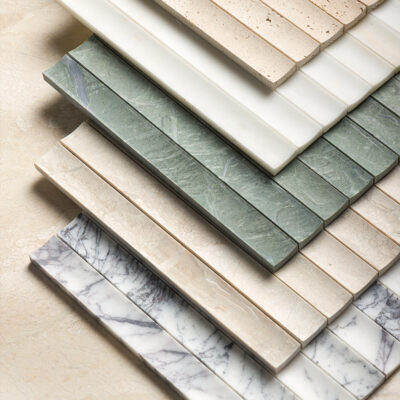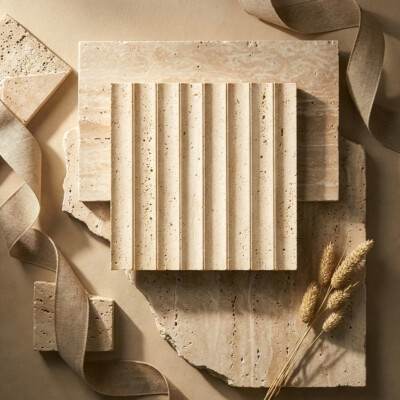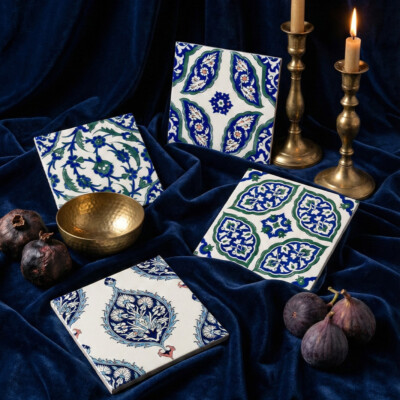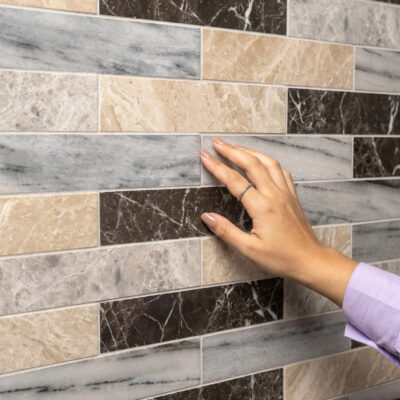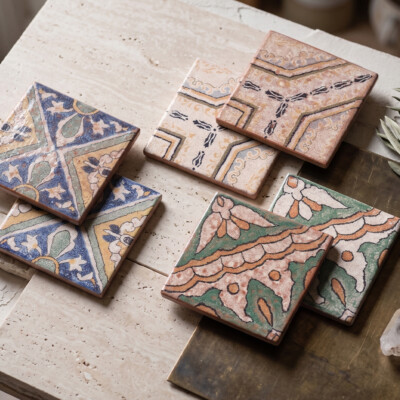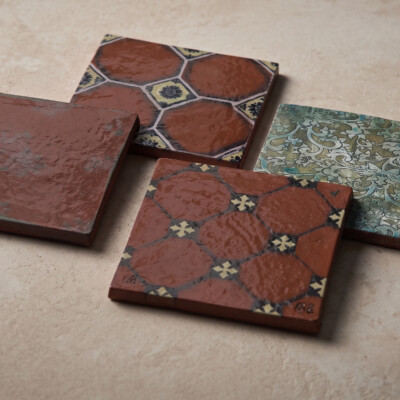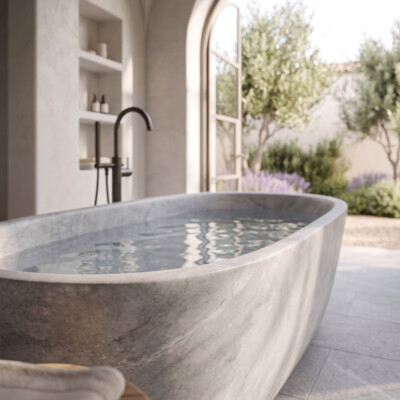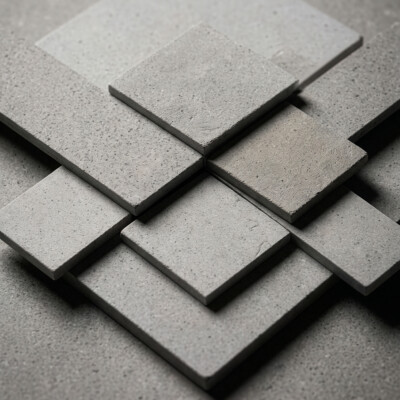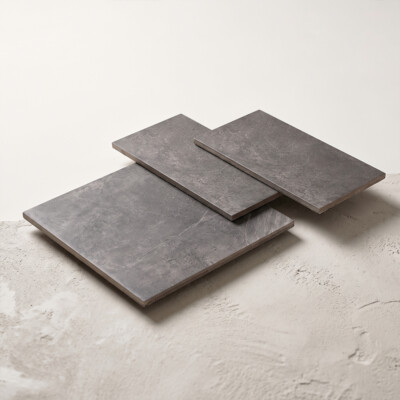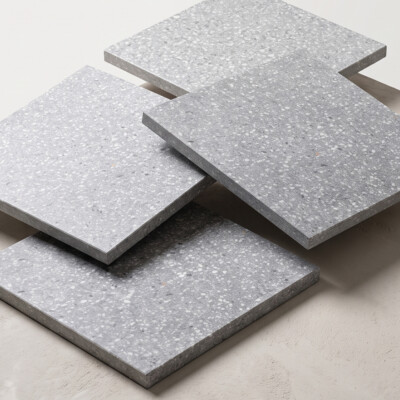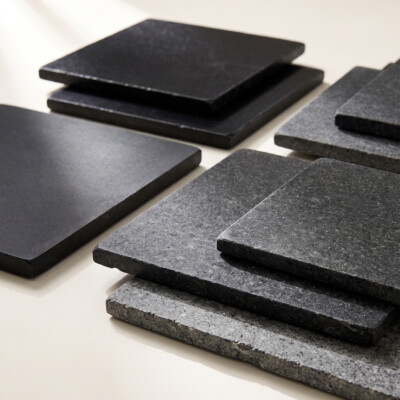
Absolute Black Granite
black, tile, granite

Discover curated Marble Systems collections, compare materials and find the right surface for your project.
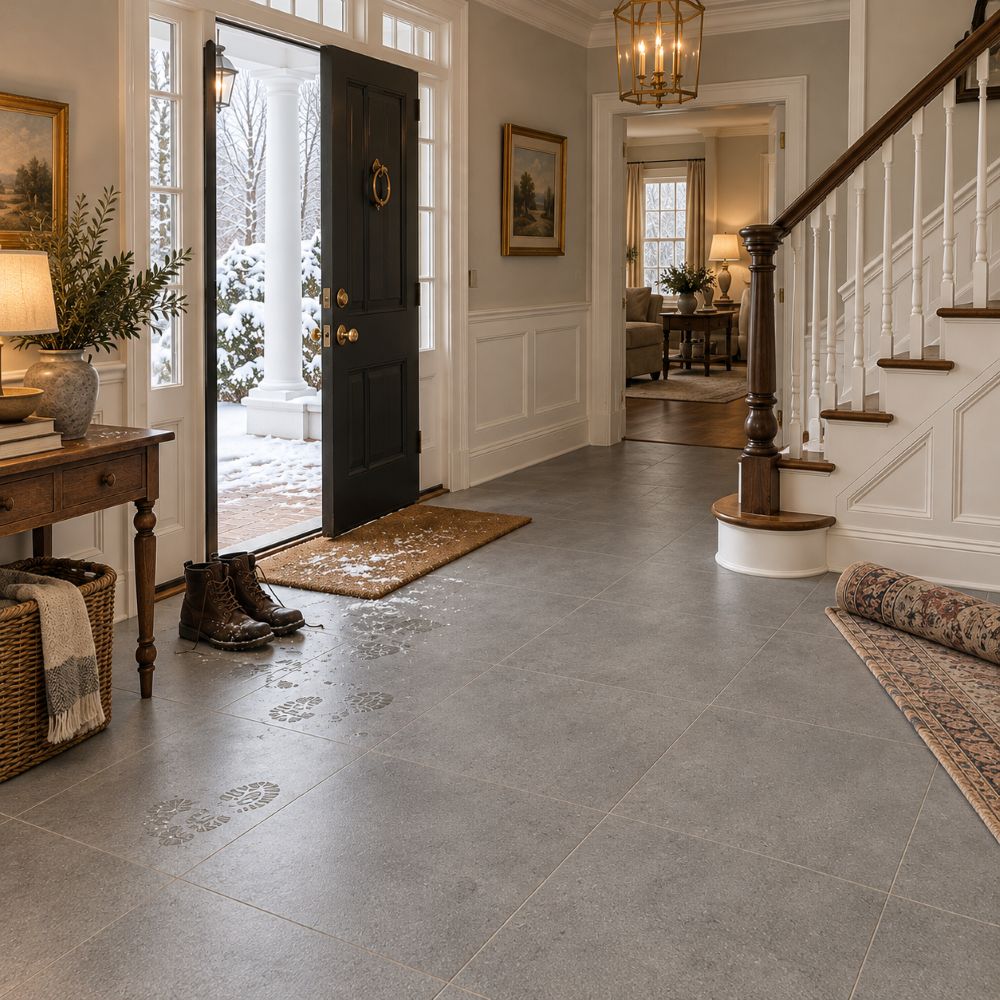
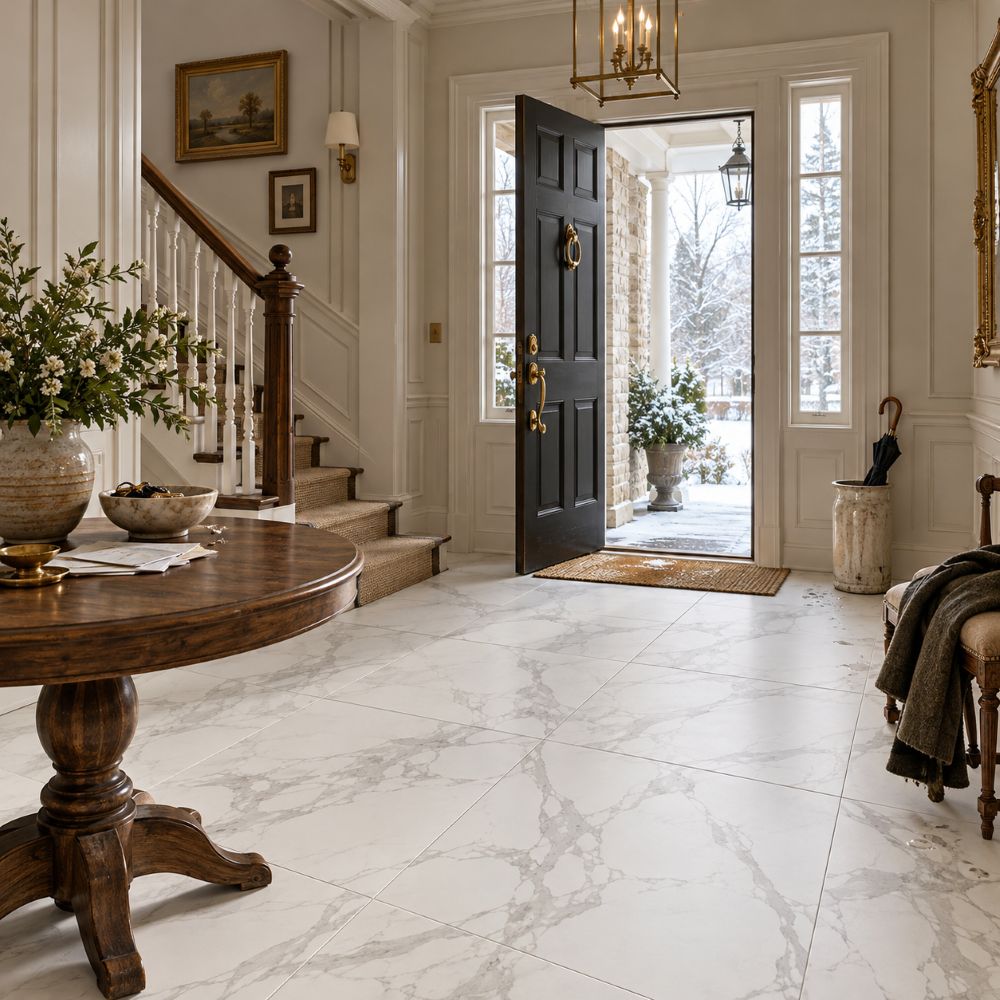
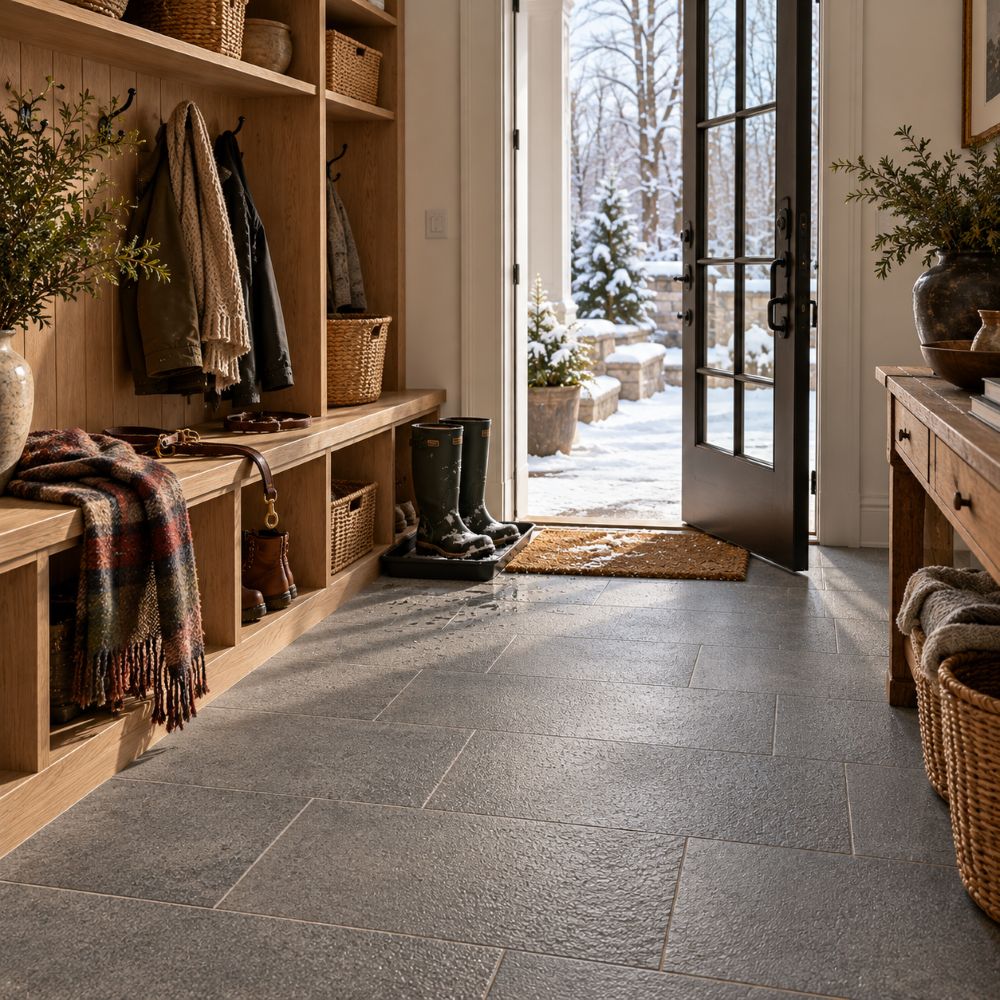
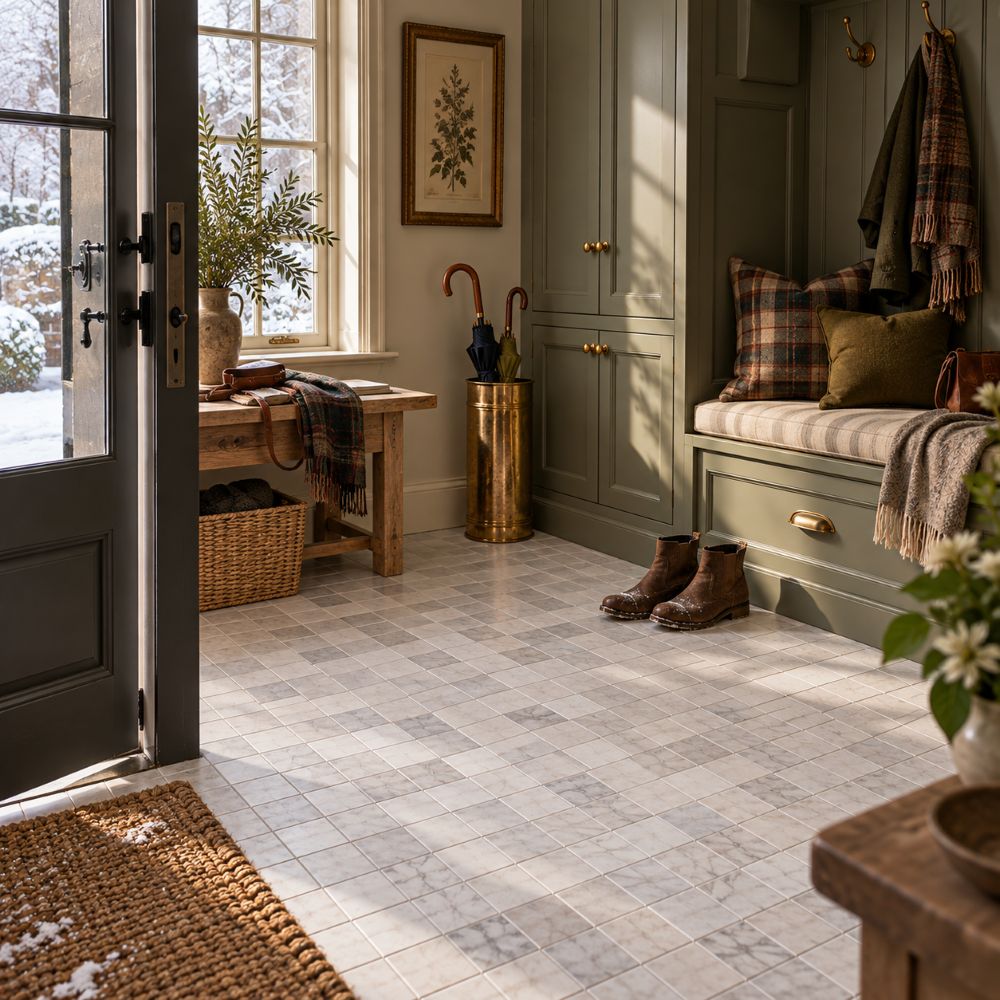
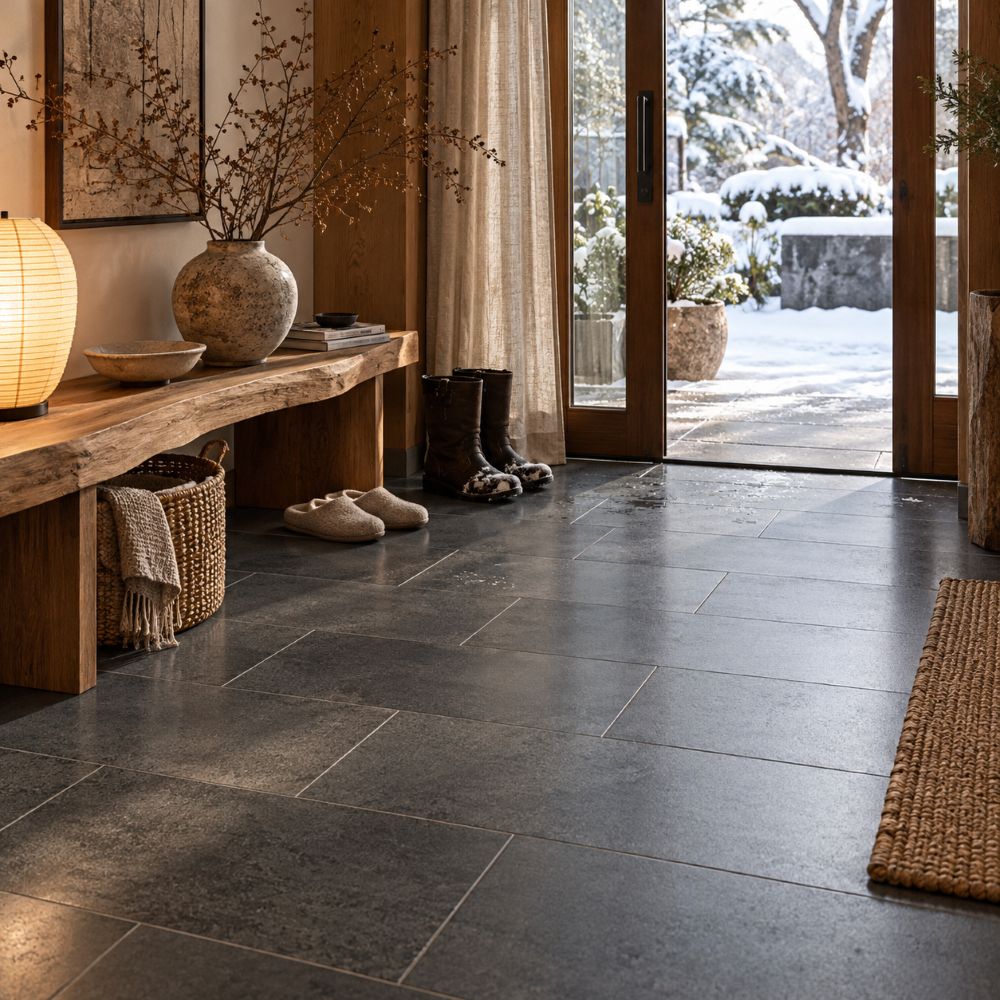
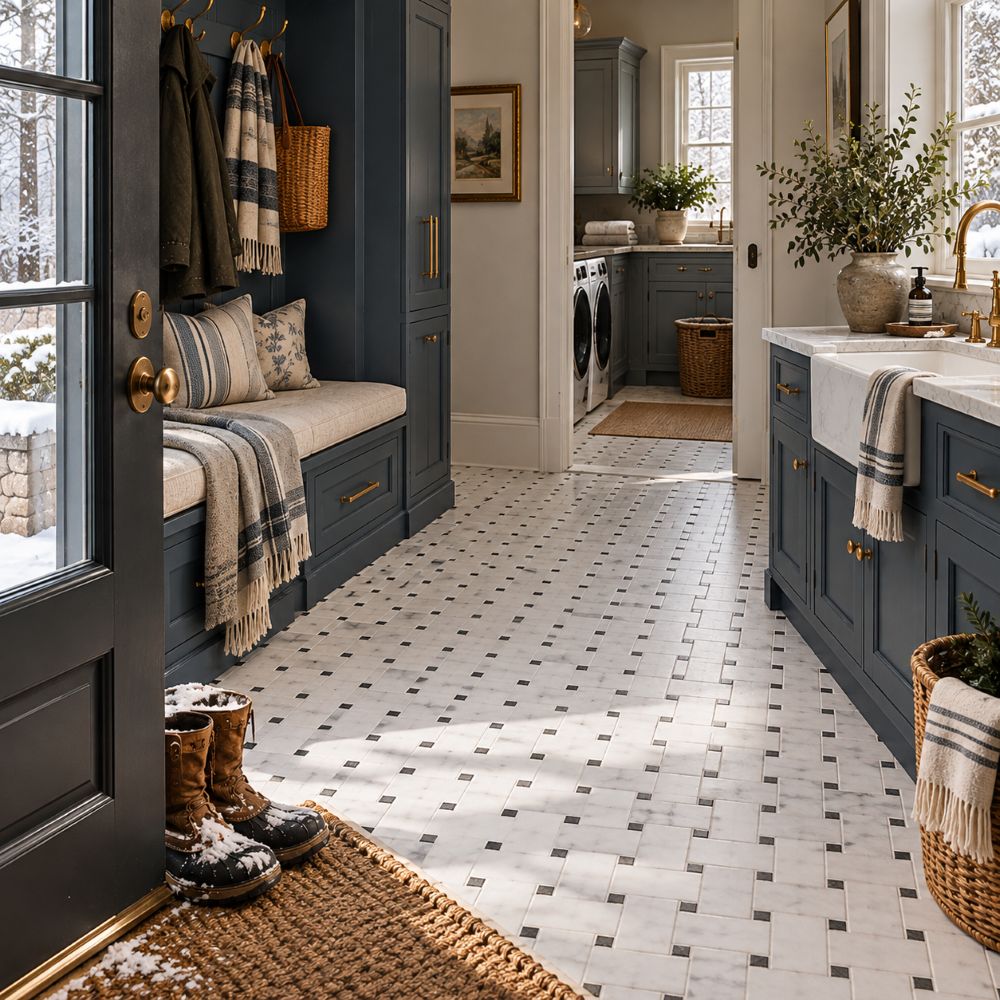
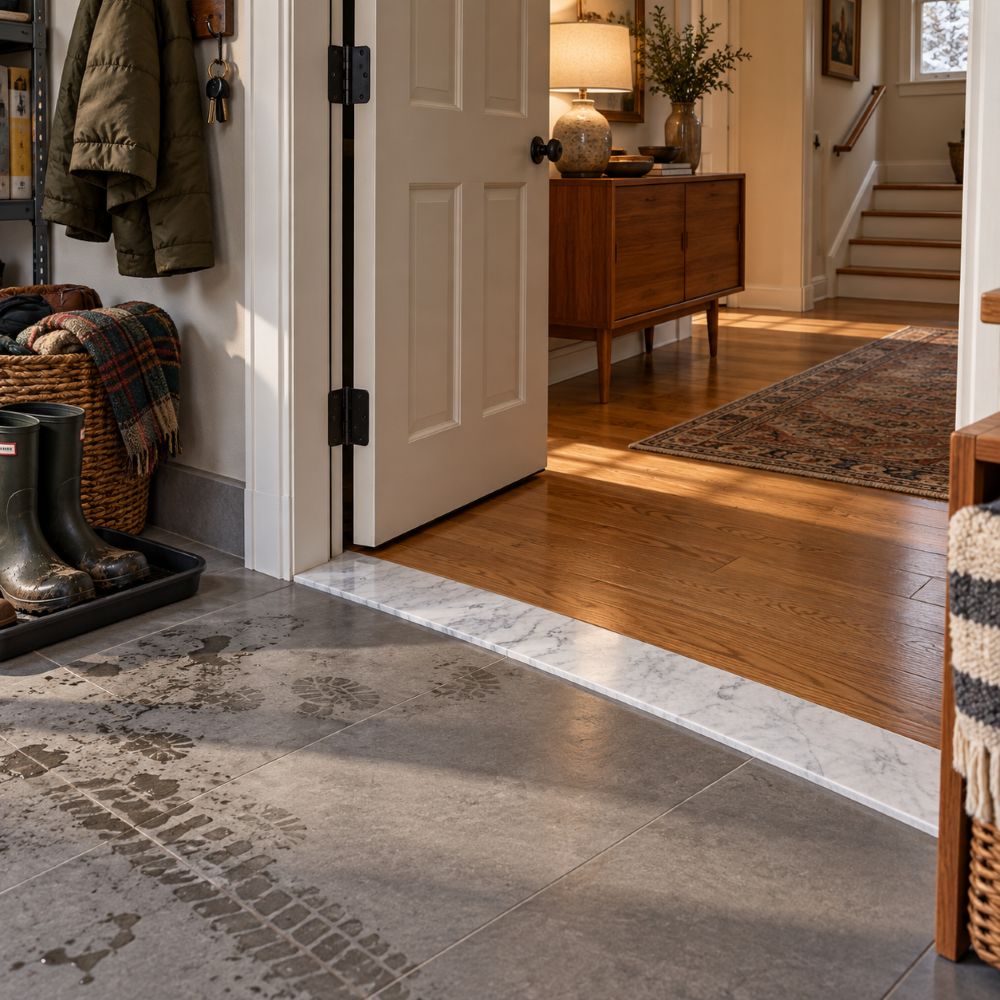
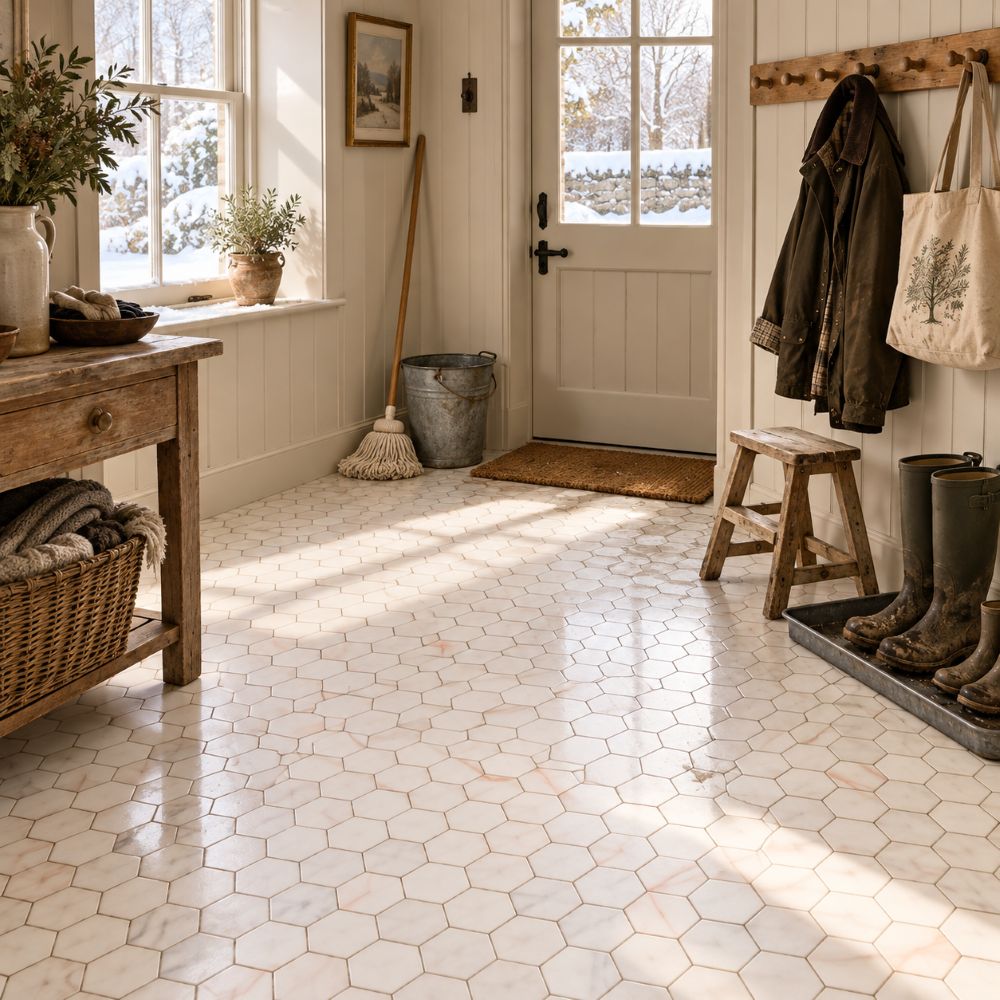
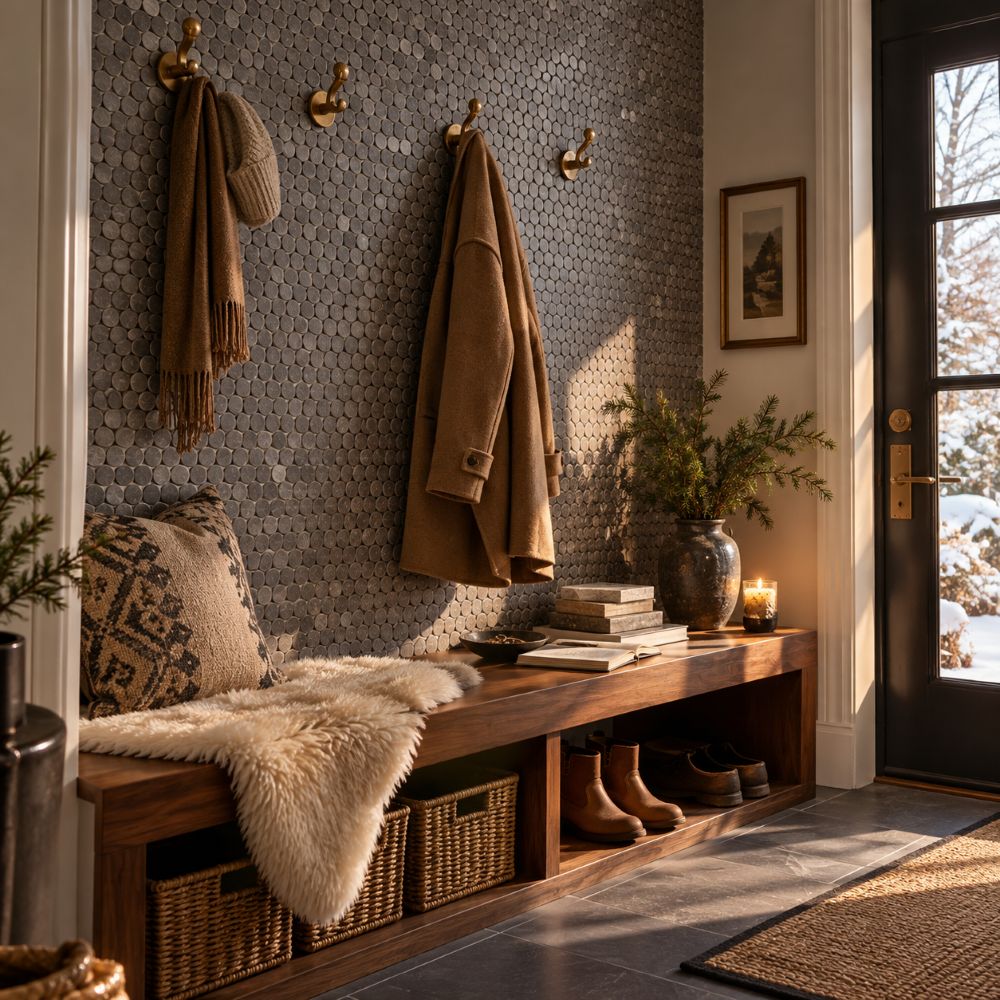
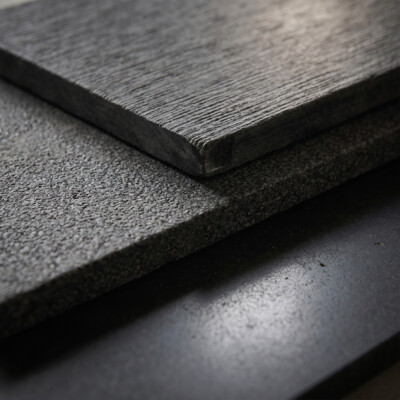
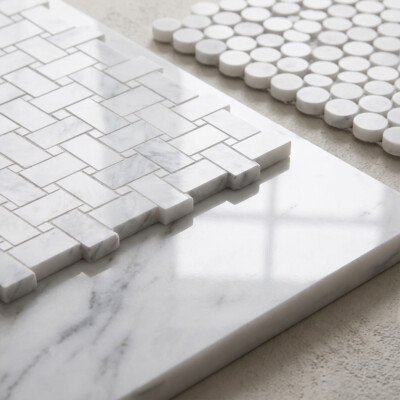
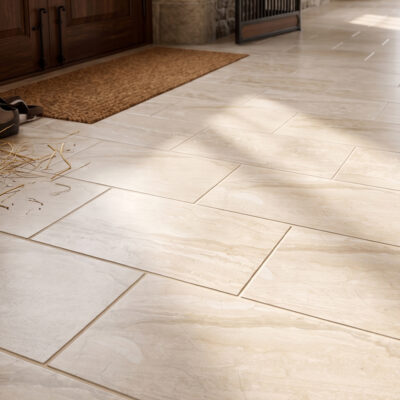
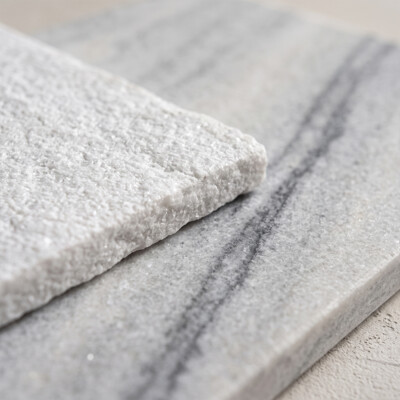
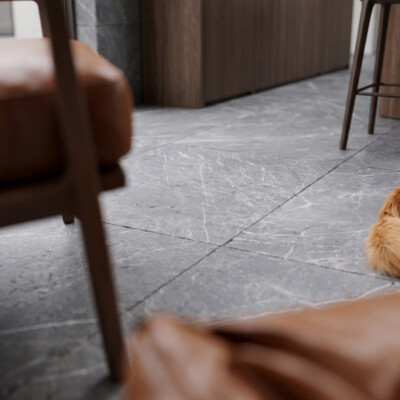
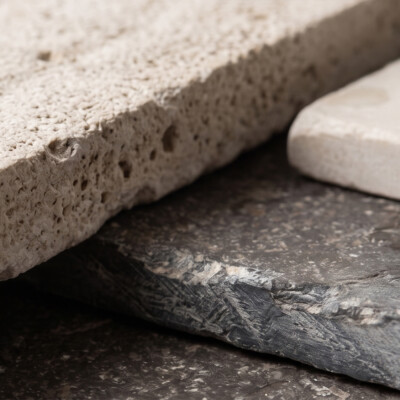
reads a site, by how it will behave in the first four feet inside the door, in February, when the floor is wet, gritty, and dusted white with road salt. Beauty matters here, and so does physics. Best Entryway Tile Ideas for Winter: 01 of 10 What Winter Does to Entryway Flooring Winters rarely stay dramatic for long, which is exactly what makes them hard on floors. Freezing rain and sleet arrive in short bursts, VDOT pretreats the roads with brine before storms, and the season stretches: at Dulles, the last spring freeze comes around mid april on average. All of it ends up on your entry floor. Water carries dissolved salts into porous stone, and as the floor dries, those salts recrystallize inside the pores. The Natural Stone Institute has studied this effect on limestone, and the damage almost always concentrates in the walking path closest to the door. 02 of 10 Ice Melt Damage on Tile Floors: The Myth About Sealer Clients often tell us their stone is sealed, so salt is not a concern. In reality, a penetrating sealer slows water absorption; it does not make a porous stone salt proof. I have spent 30 years helping Northern Virginia homeowners choose stone, and the mistake I see most often is a gorgeous polished marble laid right at the front door, sealed once and then left to face five winters of brine.Sealing still earns its place, and how often to seal marble tile depends on the room it lives in, but the material choice does most of the work. 03 of 10 Slip Resistant Entryway Tile Starts With the Finish A wet floor is where safety and surface meet. The tile industry’s benchmark, ANSI A326.3, looks for a wet DCOF of 0.42 or higher on level interior floors expected to be walked on when wet, and the finish drives much of that number. Honed, textured, and tumbled tiles give your feet something to hold; polished faces do not. Most suppliers present entry tile dry and gleaming under spotlights. We prefer to show it wet, because that is how your foyer will meet it on a January evening. 04 of 10 Porcelain vs Natural Stone for an Entryway For the most demanding entries, the honest answer is often a matte porcelain tile that carries the look of stone. Its body absorbs very little water, so ice melt has almost nowhere to go. Natural stone can still be the right choice, and for many of our clients it is the only one that feels alive underfoot, but it should be chosen for density and finish rather than color alone. A mid tone gray tile palette also forgives the white salt film of winter far better than pure white or deep black. 05 of 10 Slate Entryway Floors and Basalt: Texture You Can Feel If you want the soul of real stone at the door, start with stones that have natural grip. A cleft or brushed slate tile carries the texture of the layers it split along, and that tactile surface is exactly what a wet boot needs. Dense volcanic basalt tile reads calmer and more architectural, a favorite of designers who want a quiet, dark threshold. Quality varies from quarry to quarry, so ask to see the product’s technical data before you commit. 06 of 10 Can You Use Marble in a Mudroom? Yes, with a plan. Honed marble tile is softer and more acid-sensitive than porcelain or basalt, so keep it out of the first few feet where brine lands, or protect that zone with a recessed walk off mat. The same thinking applies to limestone tile and travertine tile, which are among the most vulnerable to deicing salts right at the door. A tumbled mosaic tile works beautifully a step further in, where its extra grout lines add traction.If you are still weighing porcelain against travertine for the whole room, our picks for the best mudroom floor tiles for salt and snow compare both, along with patterns like herringbone that hide everyday wear. 07 of 10 Best Tile for Mudrooms in Older Northern Virginia Homes About a quarter of Fairfax County’s housing was built before 1970, with the Mason District holding the largest share, and in many of these homes a garage or side entry does more winter work than the front door. There we usually suggest the toughest tile in that working entry and a more delicate stone beyond a stone threshold, which also gives a clean, deliberate line where two floors meet. Past that line, an older home can take something with more history underfoot, and our sister brand Country Floors carries traditional floor tile designs that suit those interiors. 08 of 10 How to Remove Salt Stains on Tile Floors Sweep grit daily during snow season, because it scratches before it stains. Damp mop with a pH neutral cleaner and rinse the white film rather than letting it build. Never use vinegar on marble, limestone, or travertine tiles; acids can etch softer stones. For honed and tumbled surfaces, FilaCleaner and a penetrating sealer such as MP90 are what we reach for, and the full routine for cleaning natural stone tile is simpler than most people expect. 09 of 10 Entryway Wall Tile Ideas: Put the Marble Where Boots Can’t Reach Once the floor is settled, the wall above the bench is where natural stone can finally relax. A honed marble penny round like Silver Drop Tile never meets a wet boot, so it can show off its soft silver tones and tactile, coin round texture while the floor below does the hard winter work. Add brass hooks, a warm wood bench, and baskets for gloves, and the mudroom stops feeling like a utility zone and starts feeling like the first room of the house. 10 of 10 The Last Word on Winter Entryways Winter will keep showing up uninvited, usually with wet boots and a pocketful of rock salt, but your entry floor doesn’t have to take it personally. Pick a surface with some grip, keep the delicate beauties a few steps inside, and let the doormat do the dirty work it was born for. When you’re ready to feel the difference between honed and polished under your own hand, stop by our tile and stone showroom in Fairfax or our Carlstadt showroom in New Jersey. We’ll have the samples out; you just bring a photo of your entry and, ideally, dry shoes. FAQ Is porcelain or natural stone better for a winter entryway? Matte porcelain is the most forgiving tile for the first few feet inside a winter entryway, while dense, textured stones like slate and basalt are the best natural stone choices. Does sealing protect entryway stone from ice melt? Sealing slows how fast water and dissolved salt enter the stone, but it does not make a porous stone salt-proof, so the material you choose matters more than the sealer. What is the least slippery tile for a wet entryway? The least slippery entryway tiles have a honed, textured, or matte finish and a wet DCOF of 0.42 or higher, so avoid polished stone right at the door.
Everything architects, designers and project teams need to know about sourcing, specifying and installing collection — material characteristics, recommended applications and long-term care from Marble Systems.