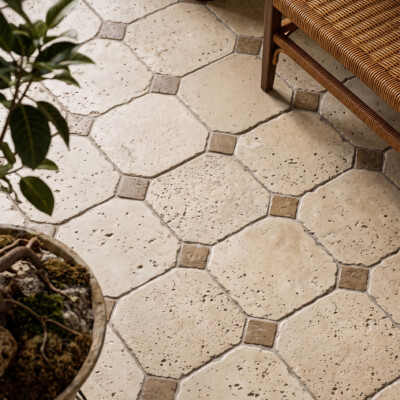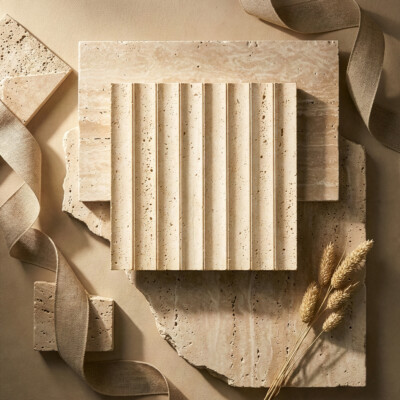
Ivory Travertine
beige, tile, travertine
In observance of Labor Day, our company will be closed on Saturday, September 5, and Monday, September 7.

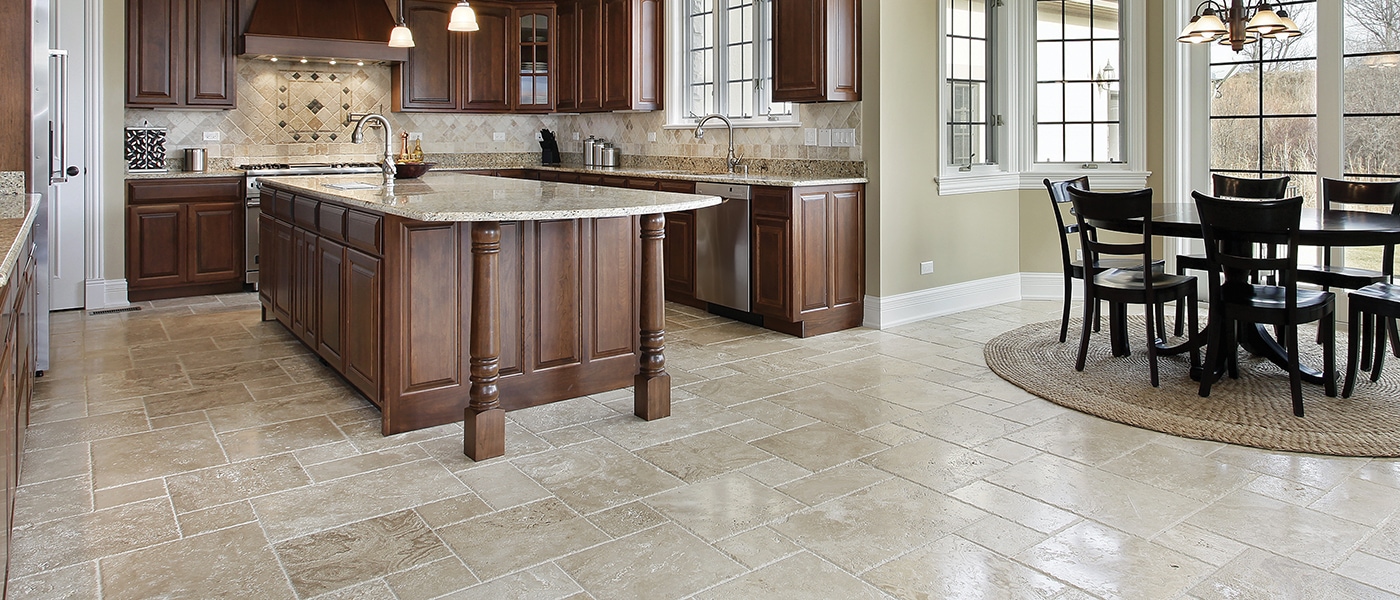
Travertine is a natural stone with an earthy look. With a veined and perforated appearance and a brownish color, it suits any interior with a natural design. Perfect for your kitchen, patio, or yard, travertine tile and floors are both practical and attractive. This special stone often decorated the exteriors and interiors…
of famous buildings throughout history. The Romans especially favored travertine and adorned many of their buildings with it. Most notably, they constructed the Colosseum in Rome mostly out of travertine. Today, travertine remains a popular choice for architects and interior designers alike. It is commonly used as indoor flooring, patios and garden paths, bathroom walls, and façades. Travertine Tile Usage Travertine is a form of limestone. When water carries limestone particles, the natural stone encounters a pressure-free environment and precipitates calcium carbonate. This accumulation forms soft lines over time, creating travertine. Popular in entryways, kitchens, and bathrooms, travertine tiles bring a natural elegance to any home. We particularly recommend them for kitchens; they can be used for both countertops and backsplashes. Travertine floor tiles work well as garden pavements. Due to their harsh and rough surface, these stone tile floors are also recommended for poolsides. Kitchen floors, bathroom floors, and all other damp floors are suitable for travertine tiles. Despite being porous, travertine is actually an extremely long-lasting stone. Due to its scratch resistance, travertine floor tiles are usually very durable and easy to maintain. Ideal for homes with pets or kids, it’s the type of stone tile floor that you don’t have to worry about after installing. For more information on how to clean travertine tile and floors, check our care and maintenance page. Design There are several types of travertine tile and flooring finishes on the market, such as tumbled, honed, brushed, filled, filled & honed, chiseled, bush hammered, and polished, this beautiful stone floor tile comes in a variety of styles and colors. Due to its porous nature, travertine tile has many holes that can be filled with cement. Unfilled travertine tiles create rugged surfaces perfect for the outdoors, while filled travertine tiles work well indoors. Before buying travertine, be sure to ask our professionals whether the stone is honed or filled. We can help you select the perfect flooring for your needs.
Everything architects, designers and project teams need to know about sourcing, specifying and installing travertine tile & flooring — material characteristics, recommended applications and long-term care from Marble Systems.
Travertine is a natural stone with an earthy look. With a veined and perforated appearance and a brownish color, it suits any interior with a natural design. Perfect for your kitchen, patio, or yard, travertine tile and floors are both practical and attractive.
This special stone often decorated the exteriors and interiors of famous buildings throughout history. The Romans especially favored travertine and adorned many of their buildings with it. Most notably, they constructed the Colosseum in Rome mostly out of travertine. Today, travertine remains a popular choice for architects and interior designers alike. It is commonly used as indoor flooring, patios and garden paths, bathroom walls, and façades.
Travertine is a form of limestone. When water carries limestone particles, the natural stone encounters a pressure-free environment and precipitates calcium carbonate. This accumulation forms soft lines over time, creating travertine.
Popular in entryways, kitchens, and bathrooms, travertine tiles bring a natural elegance to any home. We particularly recommend them for kitchens; they can be used for both countertops and backsplashes.
Travertine floor tiles work well as garden pavements. Due to their harsh and rough surface, these stone tile floors are also recommended for poolsides. Kitchen floors, bathroom floors, and all other damp floors are suitable for travertine tiles.
Despite being porous, travertine is actually an extremely long-lasting stone. Due to its scratch resistance, travertine floor tiles are usually very durable and easy to maintain. Ideal for homes with pets or kids, it’s the type of stone tile floor that you don’t have to worry about after installing. For more information on how to clean travertine tile and floors, check our care and maintenance page.
There are several types of travertine tile and flooring finishes on the market, such as tumbled, honed, brushed, filled, filled & honed, chiseled, bush hammered, and polished, this beautiful stone floor tile comes in a variety of styles and colors.
Due to its porous nature, travertine tile has many holes that can be filled with cement. Unfilled travertine tiles create rugged surfaces perfect for the outdoors, while filled travertine tiles work well indoors. Before buying travertine, be sure to ask our professionals whether the stone is honed or filled. We can help you select the perfect flooring for your needs.
Marble is denser and more polished in appearance, while travertine has natural holes and a more rustic look. In the end, it really comes down to the vibe you want to live in. If you love a flawless, high end reflection, you'll probably go for marble tiles, but if you want a home that feels warm and kick your shoes off kind of comfortable, you’ll find that travertine floor tile layouts bring a rustic Mediterranean soul to your space. Marble feels like Rome, travertine feels like Athens.