Stone Pavers Turning White? Fix Efflorescence & Salt Stains

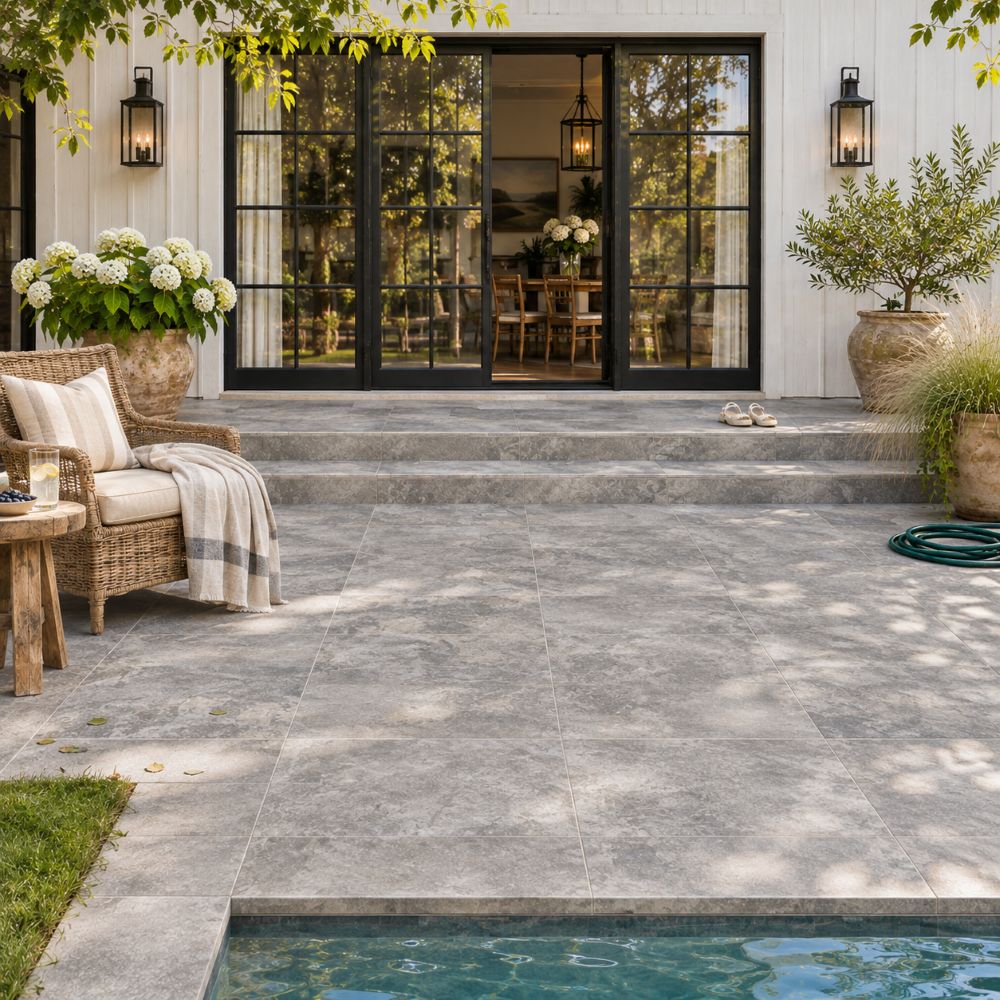
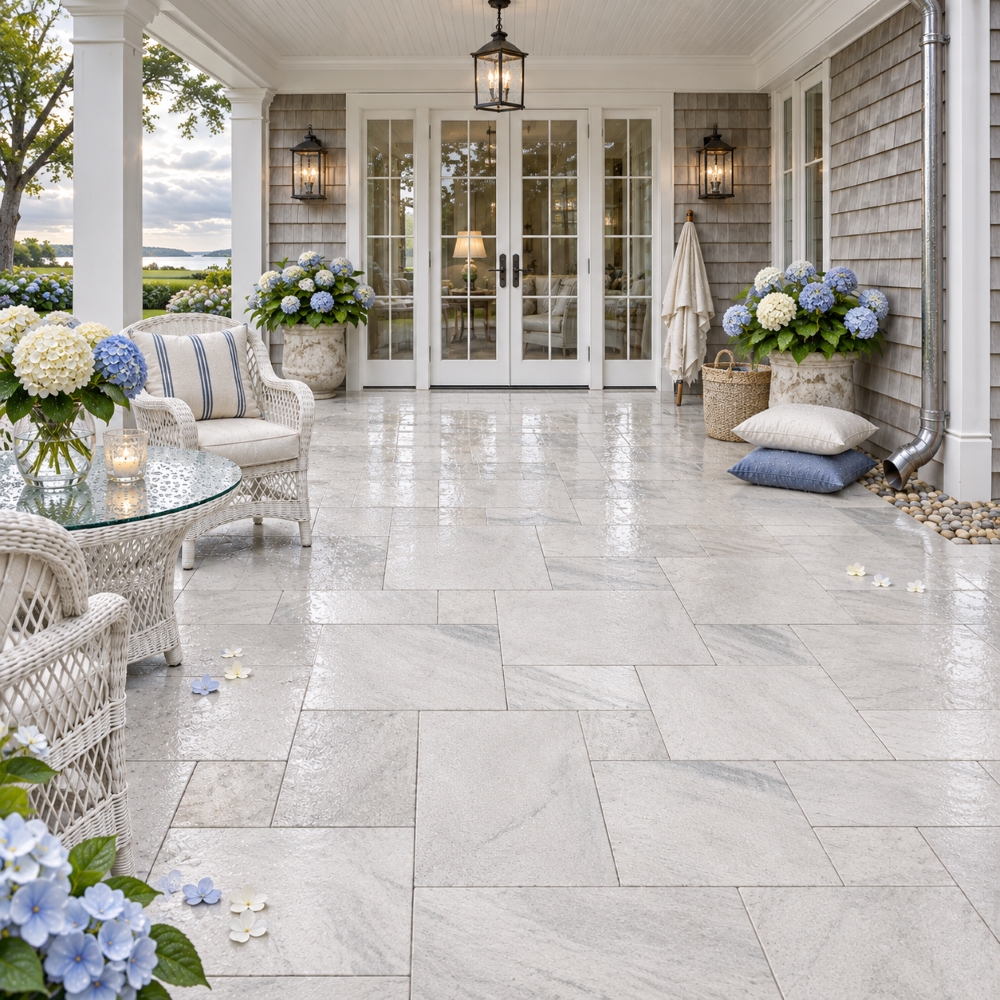
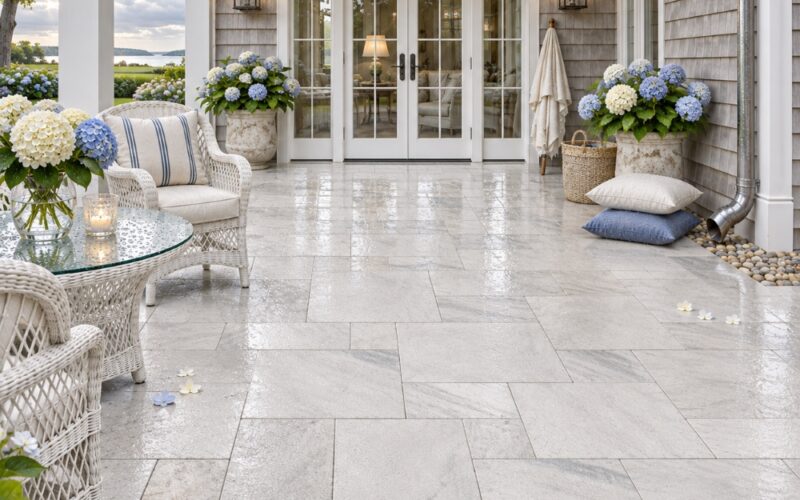
Fantasy White marble pavers in a patio after rain.

You finish a new terrace in honed travertine, and weeks later it looks dusted with flour. Stone pavers turning white is one of the calls I hear most, and after 30 years with natural stone I can tell you the stone is rarely failing. Usually it is efflorescence on pavers, a white residue on pavers that appears as the stone settles into its new home.

How to Stop Stone Pavers from Turning White

01

of 15

Why Are My Pavers Turning White?

Every quarried block carries a trace of the earth it came from. Water rising through sand, mortar and stone brings dissolved minerals with it; the sun draws the water away and leaves them behind. That is efflorescence on natural stone, a sign of moisture rather than poor material.

02

of 15

What Is Efflorescence on Pavers?

It is a deposit of soluble salts, often calcium carbonate, that crystallizes as water evaporates. On natural stone pavers it gathers in the joints first, then spreads as a chalky film that feels dry and powdery, nothing like the cool, tactile surface underneath.

03

of 15

Is Efflorescence Harmful to Pavers?

Usually not. It is cosmetic and fades as an installation dries, though rain alone may not clear it. Clients often assume the stone is breaking down, but in reality the paver is fine. What deserves attention is the water feeding it, because a steady moisture source keeps the cycle going.

04

of 15

Efflorescence vs. Salt Stains vs. Hard Water Spots

Not every white mark is efflorescence. Stone care manufacturers suggest splashing a little water on the area: efflorescence on the surface tends to darken, while marks inside the stone barely change.

05

of 15

Salt Stains on Pavers After Winter

In colder regions, de-icing salt dries into crusty white rings around steps and walkways, easily confused with efflorescence. Rinse with clean water once temperatures allow, and ask your installer which de-icers are safe for limestone tile and other natural stone.

06

of 15

White Spots on Pavers from Sprinklers

Mineral rich irrigation water leaves a faint ring every time droplets dry. These hard water stains on pavers form arcs along lawn edges and around pool and spa decks. Redirecting sprinkler heads often works better than any cleaner.

07

of 15

When White Haze Is Actually Etching

The most common mistake we see is scrubbing a white haze with an acidic cleaner and creating a permanent one. On marble tile, limestone and travertine, acid leaves dull, pale marks that will not wipe off. Etching calls for professional refinishing, not more scrubbing.

08

of 15

Why White Stains Appear on Pavers After Rain

Water soaks into a cement based setting bed, mortar joints or the soil below, dissolves salts and carries them upward as the surface dries. 

Poor drainage and stone stored on damp ground make white stains on pavers after rain far more likely. Moisture trapped in a mortar bed is also one reason why white marble turns yellow on indoor shower floors.

09

of 15

How to Remove Efflorescence from Pavers Safely

Start dry. On a dry day, sweep or brush the powder away, and on new installations avoid hosing it down, since added water feeds the next bloom.

If it returns, find the moisture source first. For stubborn residue, use a stiff nylon brush, never wire, and only a cleaner labeled safe for your stone.

10

of 15

Removing Efflorescence from Travertine, Limestone and Marble Pavers

These calcareous stones share a mineral family with the salts you are removing, which is why harsh removers harm them.

Many paver guides reach straight for a chemical remover; we steer clients toward patience and a dry brush, because travertine tile that took millennia to form deserves better than a ten minute fix.

11

of 15

Can You Use Vinegar on Travertine Pavers?

No. Vinegar is an acid, and many efflorescence removers are acid based too. On travertine they etch the surface and leave it duller than the residue ever did. When unsure of your stone, ask your supplier first.

12

of 15

How to Prevent Efflorescence on Pavers

Prevention is decided before the first paver is set: a proper drainage slope, stone kept on pallets off wet ground, installation in dry weather and a damp-proof membrane where the substrate calls for one.

Control the water and the salts have nowhere to travel. Settle the drainage plan at the same time as the best patio paver colors and sizes for your space.

13

of 15

Does Sealing Pavers Prevent Efflorescence?

Sometimes. A sealer can reduce how much water the stone absorbs, yet some trap salts beneath the surface when applied too early. Customers often think a sealer is a shield; in reality it is one part of a moisture plan.

Never seal until the efflorescence is completely gone, and plan ahead for how often outdoor marble pavers need resealing once you do.

14

of 15

Choosing Stone Pavers for a New Patio

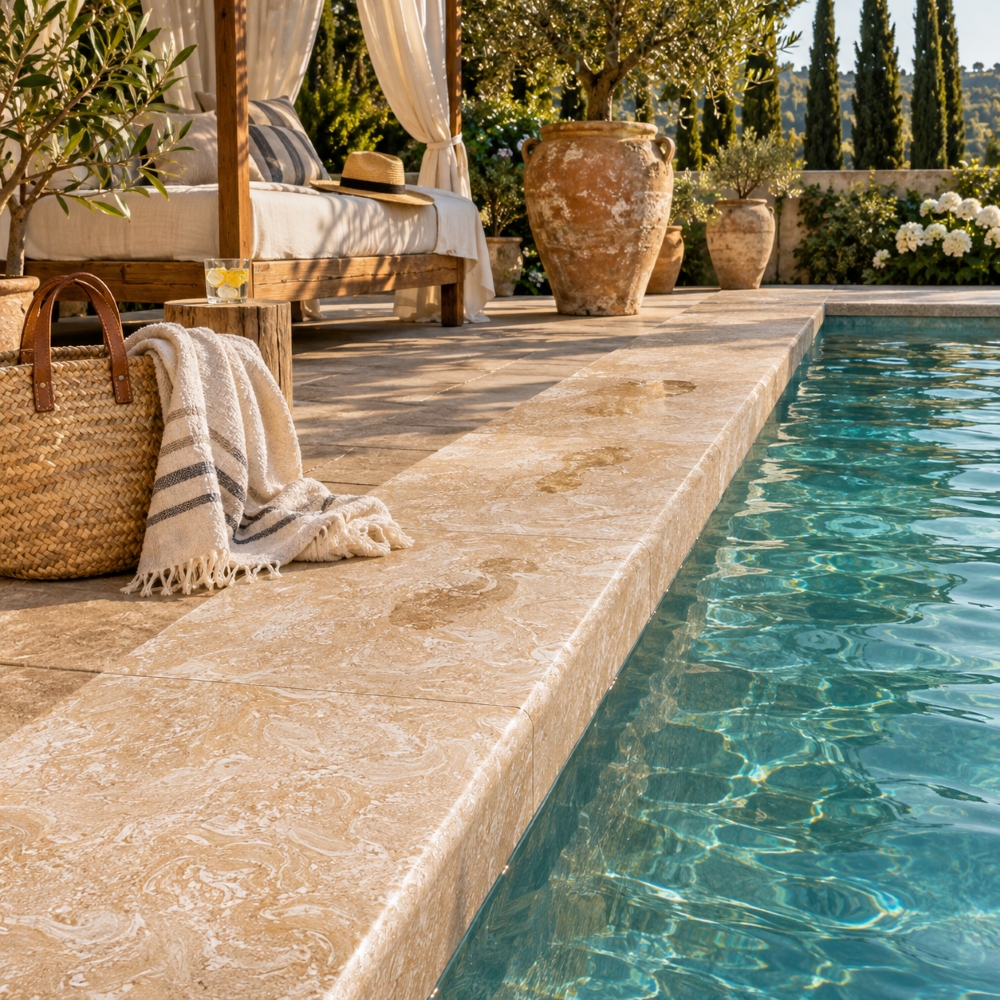
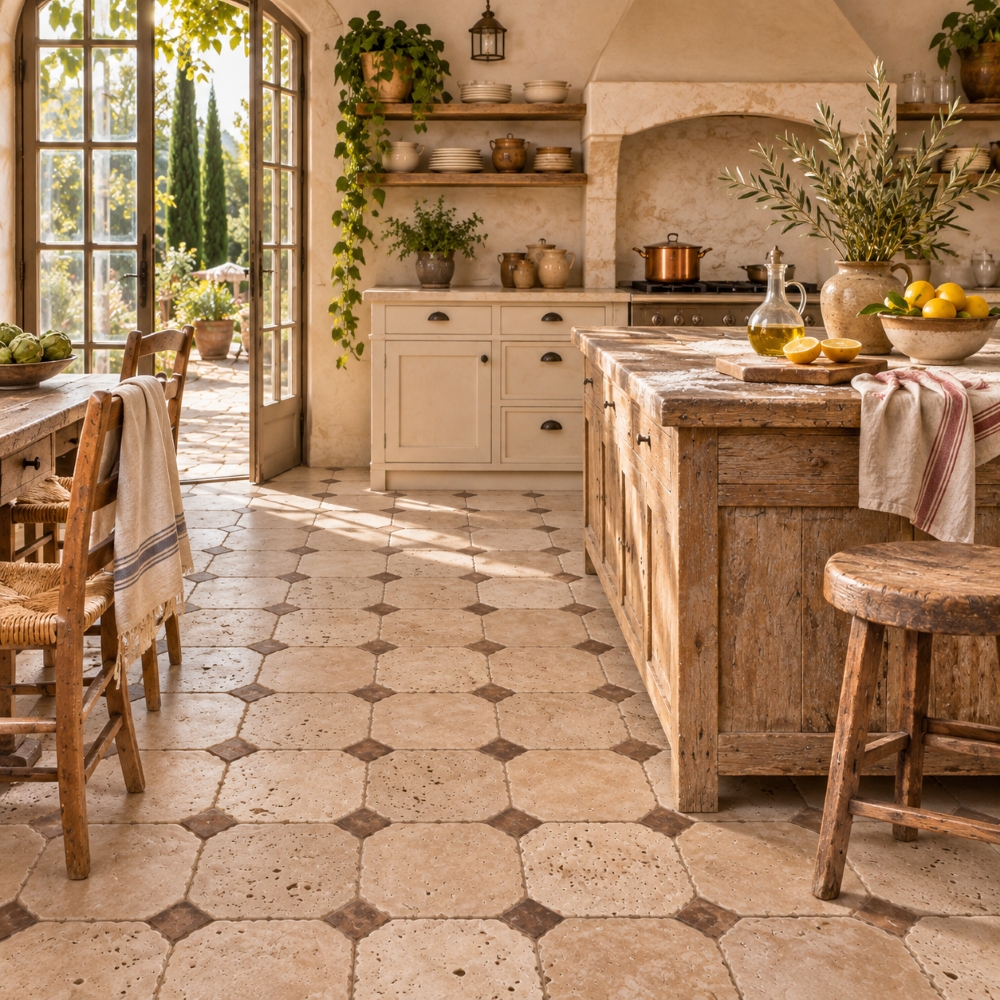
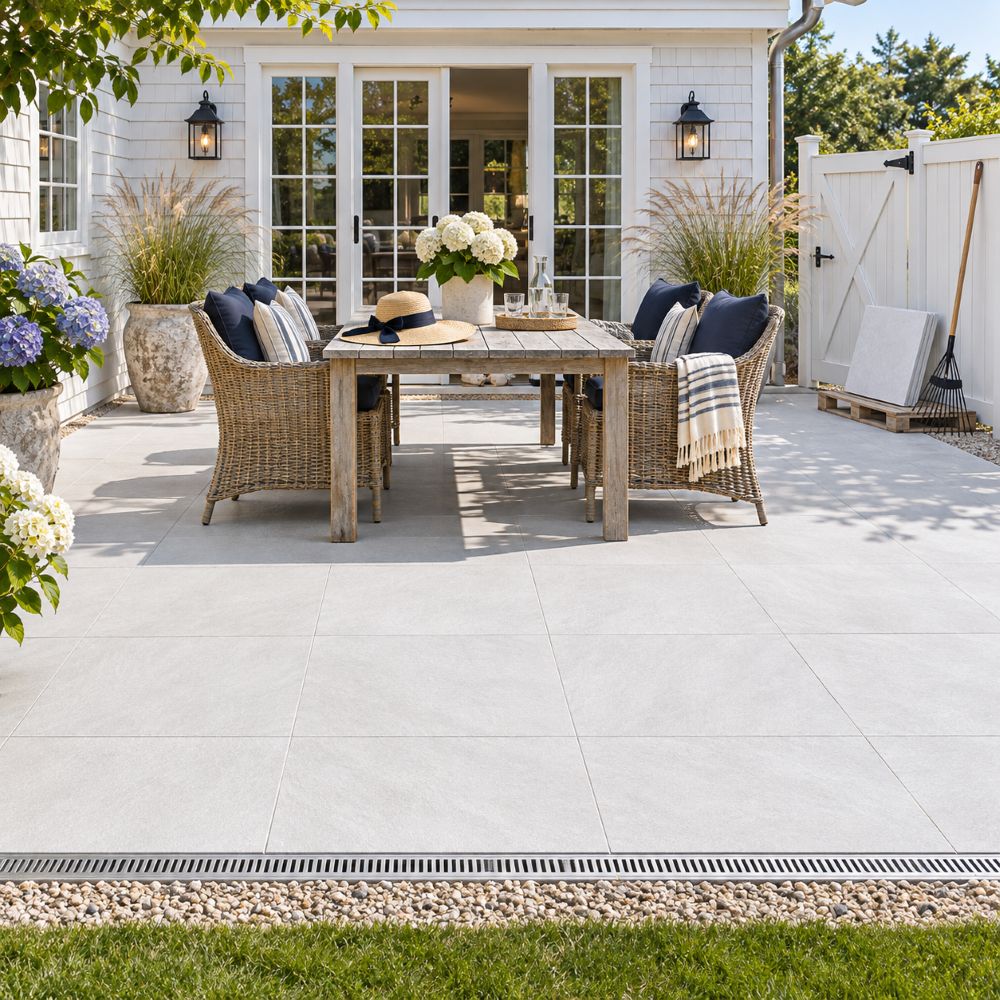
Dense porcelain pavers absorb less water and are less prone to efflorescence, though not immune, while travertine, limestone and basalt tile offer a depth no factory can copy.

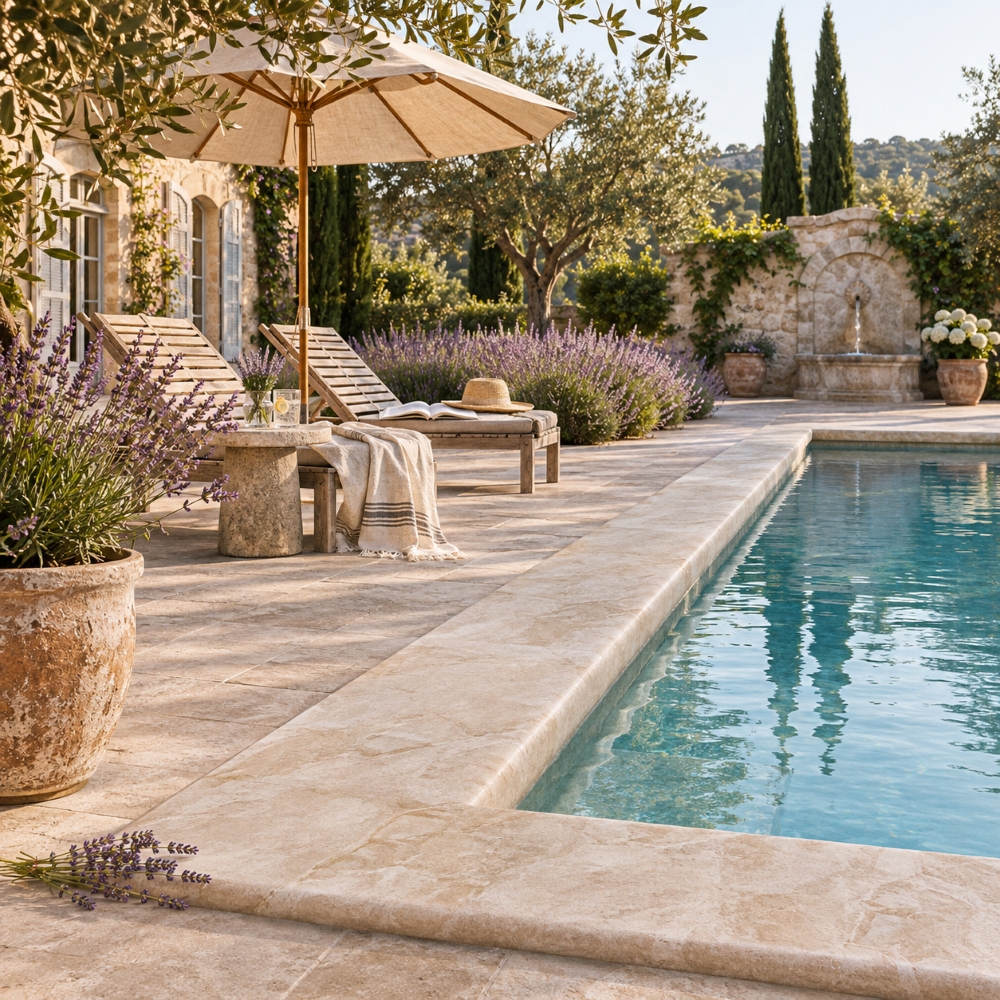
Soft beige tile and gray tiles show light residue less than charcoal stone. Finish edges with pool copings and thresholds, then carry the palette indoors with warm neutral stone tiles from our sister brand, Country Floors.

15

of 15

Talk to a Stone Specialist Before You Scrub

Three decades on job sites have taught me that the right diagnosis saves the stone. If you see stone pavers turning white, send us photos or visit a Marble Systems tile showroom, where you can compare our outdoor stone side by side before choosing what comes next.

FAQ

Will efflorescence come back after I clean my stone pavers?

It can return as long as water keeps carrying salts up through the setting bed, so fixing drainage matters more than cleaning again.

Pressure washing adds water that can feed the next round of efflorescence, so dry brushing is the safer first step for stone pavers.

Seal only once the stone is fully dry and every trace of efflorescence is gone, and confirm the sealer with your stone supplier first.