

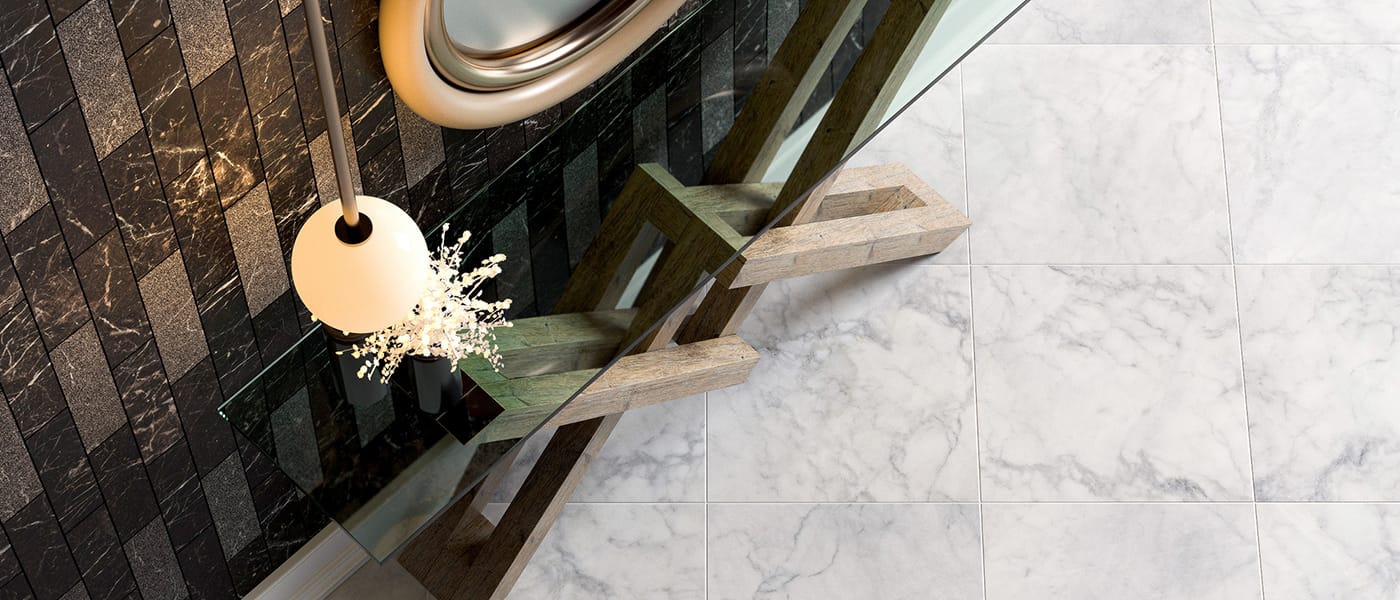
The enduring beauty of natural stone
Marble Tile
There is a reason why marble has been a staple of homes for centuries. With their timeless, elegant quality, marble floor tiles are the ideal choice for anyone in want of a luxurious home or workplace. They're a natural fit for any kitchen, bathroom, living room, or any commercial project. The stone’s…
Read more
unique veined structure and endless color options will create the marble tile bathroom, kitchen, or interior statement of your dreams. The history of marble usage is well documented and serves as a template for design plans in the 21st century. “Marble” derives from the ancient Greek word for “shining stone.” Its renowned beauty has made it the top choice for artists and architects since ancient times. From the Taj Mahal to Michelangelo’s David, some of the world’s most sublime sights are made of marble. Marble Systems offers clients dozens of options in marble tiles, like Calacatta or Carrara marble, that include a wide range of colors and designs. We believe that these collections will satisfy the most discerning design plans. Marble Tile Usage Marble is a metamorphic stone that starts the journey to a project when first cut from a quarry into a block. That block is then processed into the tile format most recognized today. Due to its classic appearance, marble will look good everywhere. We specifically love marble tile bathroom flooring. With its luminous shine, it will make any room the epitome of luxury. A durable stone, marble floor tiles works well due to their ability to carry heavy loads. It’s scratch resistant, making it well-suited for a heavy-traffic area of your home. Although marble is highly valued for its beauty and luxurious quality, it does have its disadvantages. If you want to install a marble kitchen countertop, you should be aware of the risks involved. It’s porous, which makes it prone to staining. Acid can damage the stone and make it lose its shine. To maintain your marble’s pristine quality, you should be mindful of any spills and clean them up quickly. Design We offer a wide array of marble tiles ranging from Calacatta to Carrara, to solid and multi-colored options. We have two types of marble finishes. Honed has a semi-matte finish, while polished is shinier. Maintenance To ensure your marble remains pristine, upkeep and maintenance are required. We recommend sealing the tiles or slabs before installation to prevent any staining. After installation, the marble may require periodic re-sealing, which can be done easily by applying a sealant. In addition to re-sealing, marble floor tiles require periodic polishing to maintain their iconic shine. Even with periodic re-sealing, we recommend being mindful of any spills or messes on your marble countertop or flooring. Be sure to clean up a mess as soon as it appears. To remove staining, we suggest placing a mixture of baking soda and water over the area overnight before cleaning.
89
Curated
collections
collections
Trade supply for every project
Explore marble tile collections
Showing 89 collections





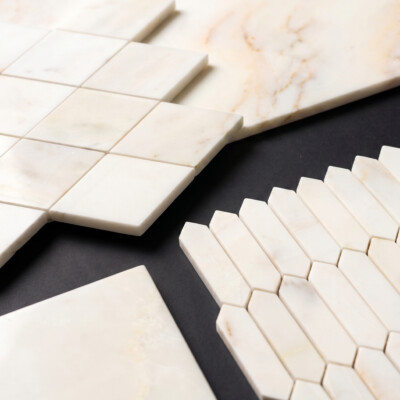
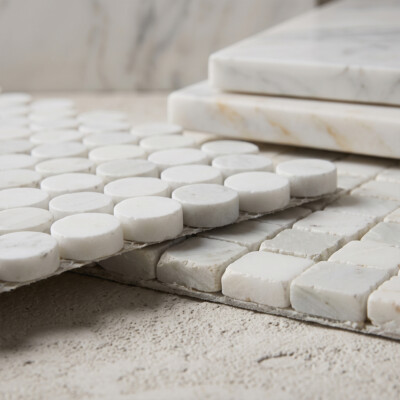
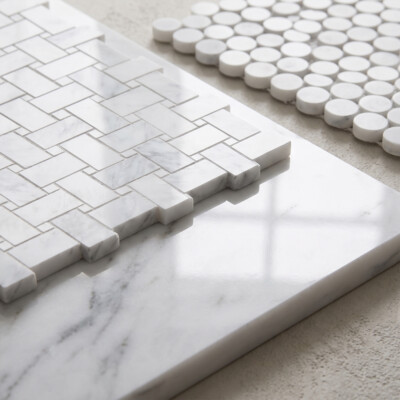
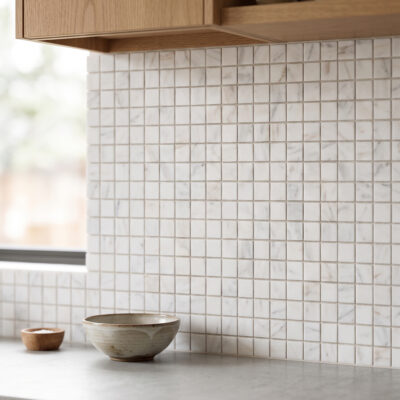

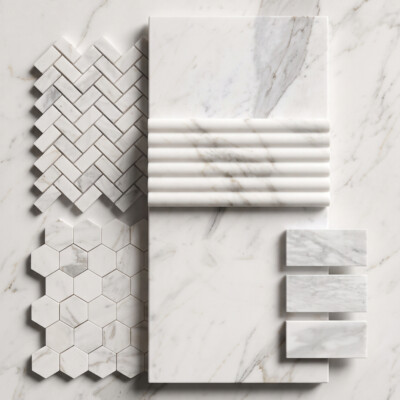
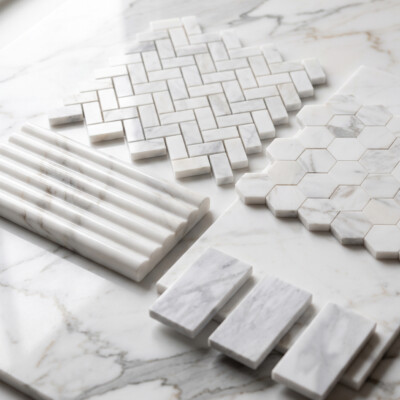
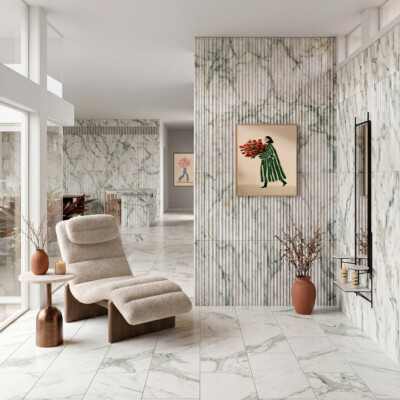

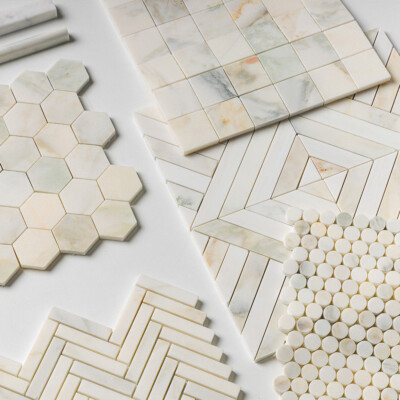










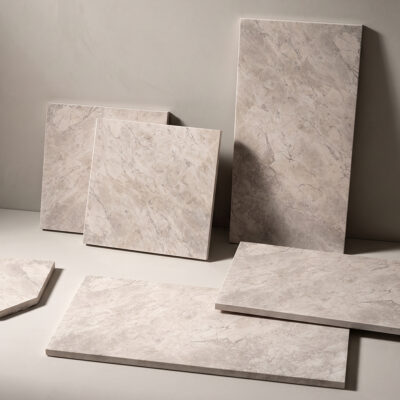
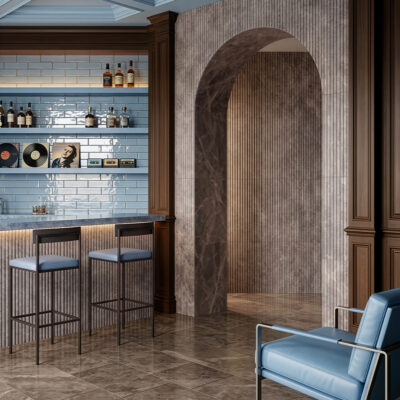
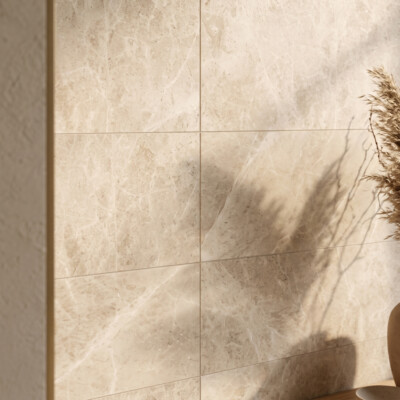


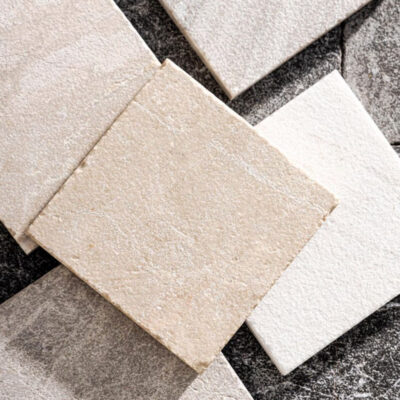





A guide to designing with marble tile
Everything architects, designers and project teams need to know about sourcing, specifying and installing marble tile — material characteristics, recommended applications and long-term care from Marble Systems.
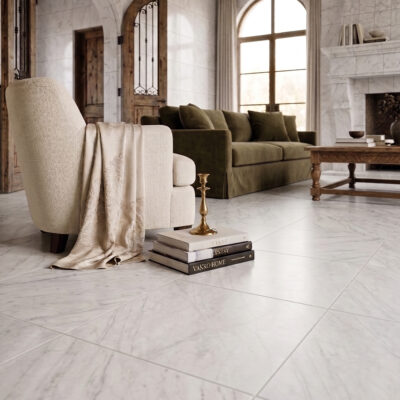
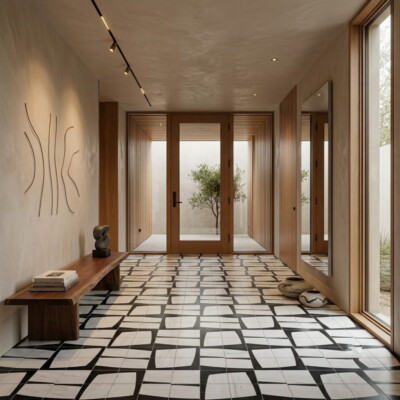
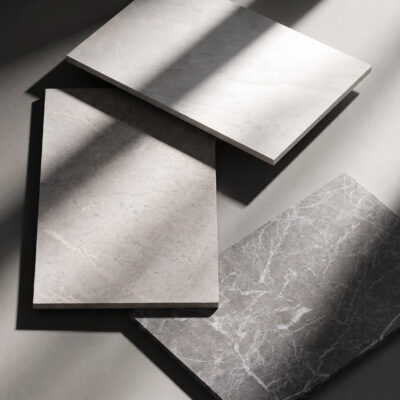
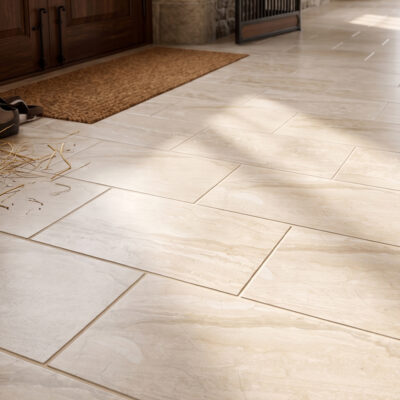
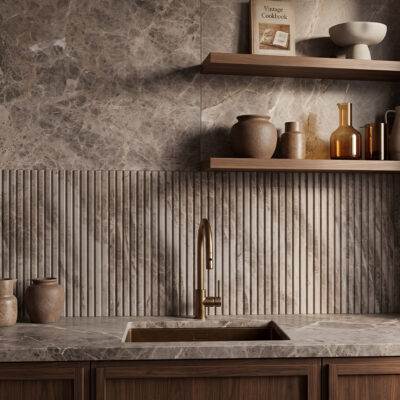
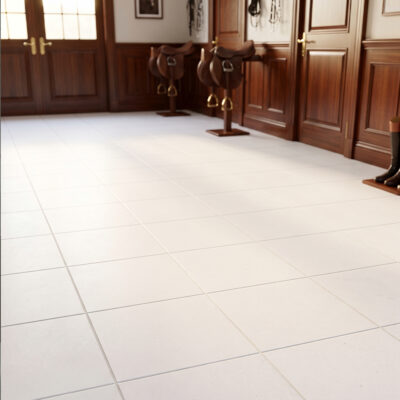
There is a reason why marble has been a staple of homes for centuries. With their timeless, elegant quality, marble floor tiles are the ideal choice for anyone in want of a luxurious home or workplace. They’re a natural fit for any kitchen, bathroom, living room, or any commercial project. The stone’s unique veined structure and endless color options will create the marble tile bathroom, kitchen, or interior statement of your dreams.
The history of marble usage is well documented and serves as a template for design plans in the 21st century. “Marble” derives from the ancient Greek word for “shining stone.” Its renowned beauty has made it the top choice for artists and architects since ancient times. From the Taj Mahal to Michelangelo’s David, some of the world’s most sublime sights are made of marble.
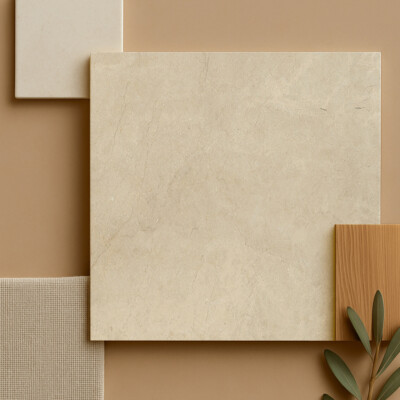
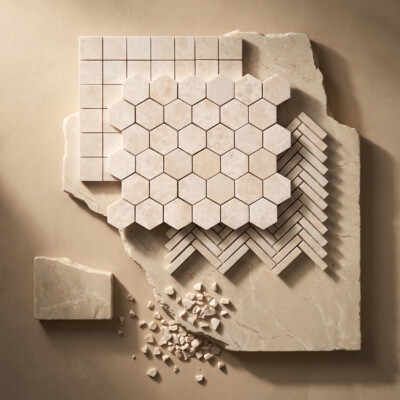
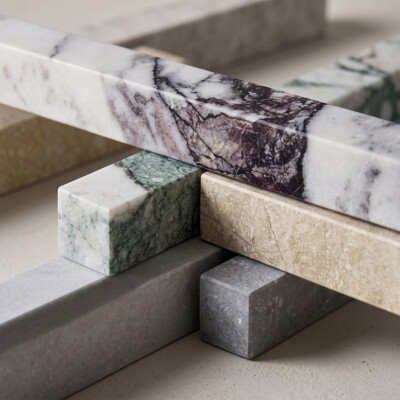
Marble Systems offers clients dozens of options in marble tiles, like Calacatta or Carrara marble, that include a wide range of colors and designs. We believe that these collections will satisfy the most discerning design plans.
Marble Tile Usage
Marble is a metamorphic stone that starts the journey to a project when first cut from a quarry into a block. That block is then processed into the tile format most recognized today.
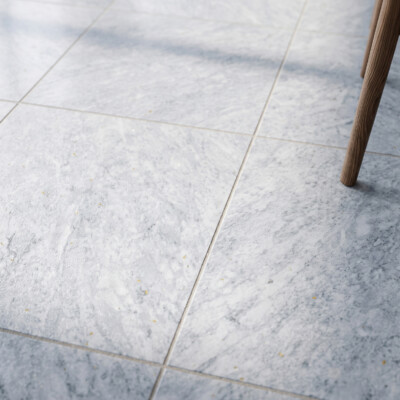
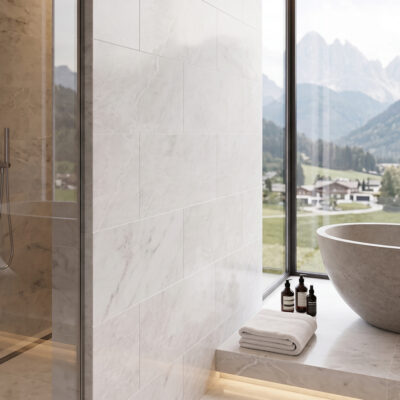
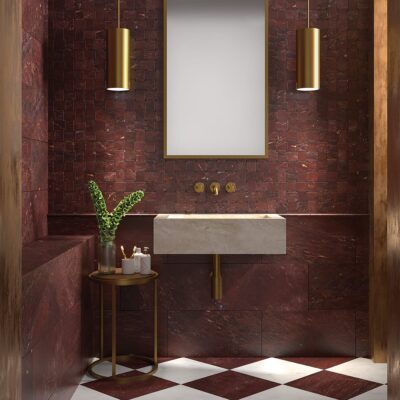
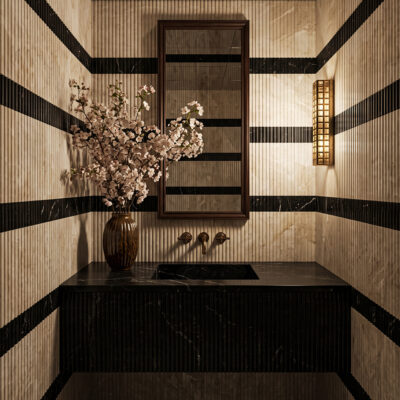
Due to its classic appearance, marble will look good everywhere. We specifically love marble tile bathroom flooring. With its luminous shine, it will make any room the epitome of luxury.
A durable stone, marble floor tiles works well due to their ability to carry heavy loads. It’s scratch resistant, making it well-suited for a heavy-traffic area of your home.
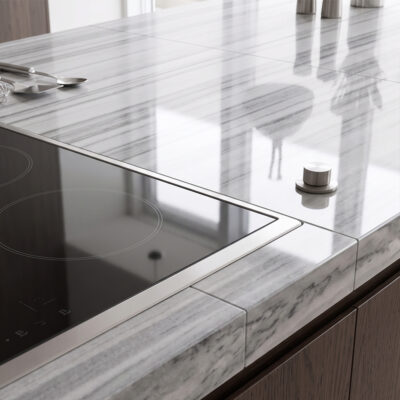
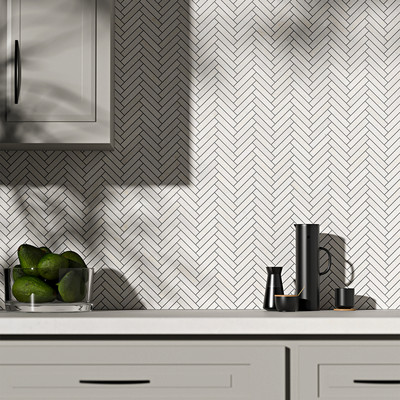
Although marble is highly valued for its beauty and luxurious quality, it does have its disadvantages. If you want to install a marble kitchen countertop, you should be aware of the risks involved. It’s porous, which makes it prone to staining. Acid can damage the stone and make it lose its shine. To maintain your marble’s pristine quality, you should be mindful of any spills and clean them up quickly.
Design
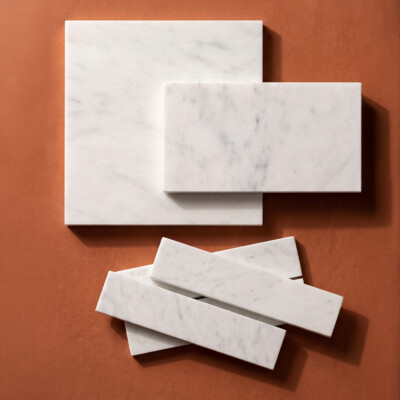
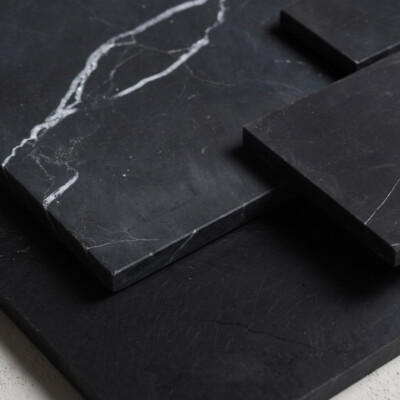
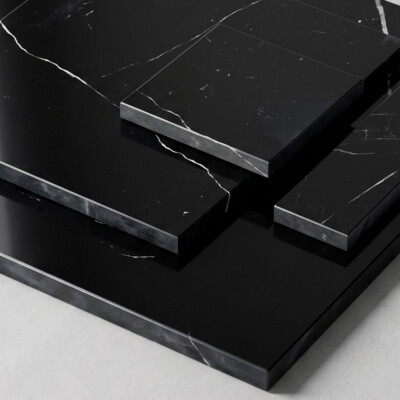
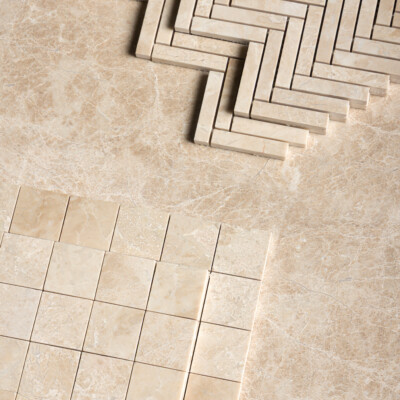
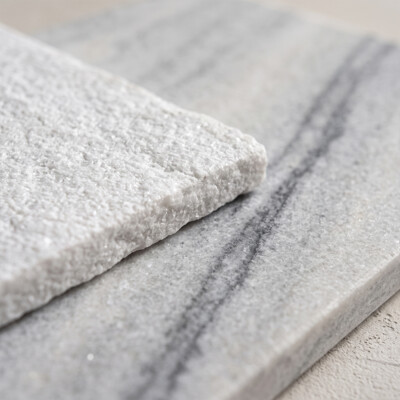
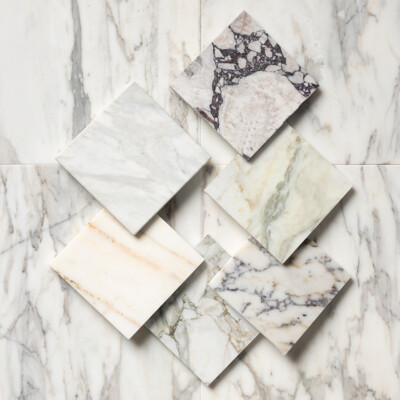
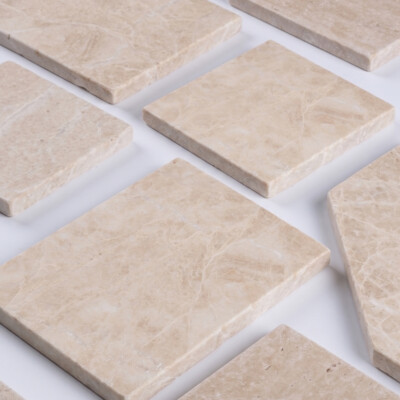
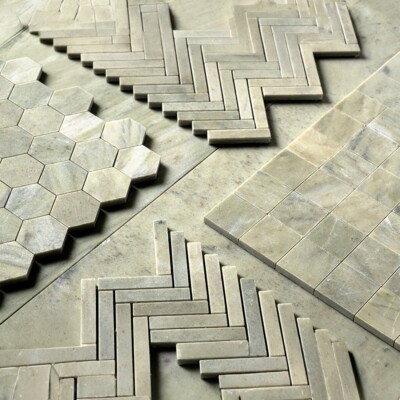
We offer a wide array of marble tiles ranging from Calacatta to Carrara, to solid and multi-colored options. We have two types of marble finishes. Honed has a semi-matte finish, while polished is shinier.
Maintenance
To ensure your marble remains pristine, upkeep and maintenance are required.
We recommend sealing the tiles or slabs before installation to prevent any staining. After installation, the marble may require periodic re-sealing, which can be done easily by applying a sealant. In addition to re-sealing, marble floor tiles require periodic polishing to maintain their iconic shine.
Even with periodic re-sealing, we recommend being mindful of any spills or messes on your marble countertop or flooring. Be sure to clean up a mess as soon as it appears. To remove staining, we suggest placing a mixture of baking soda and water over the area overnight before cleaning.
FREQUENTLY ASKED QUESTIONS
Yes, marble tiles need sealing regularly. Marble is a porous stone, and sealing helps protect the stone from stains and moisture absorption. As a marble flooring, marble backsplash, or countertop, all marble types need a sealing process. To keep your surfaces looking like they did on their first day in your home, we recommend a simple stone maintenance routine!
And if you're curious about how often marble should be sealed, the answer is that marble surfaces should be resealed every 1–2 years, depending on usage and exposure. Annually resealing processes are always the safest one, that's what we mostly recommend.
Polished marble has a glossy reflective finish created through mechanical polishing. This finish enhances the stone’s color and veining. On the other hand, there is a quieter option you can choose instead of a polished tile option.
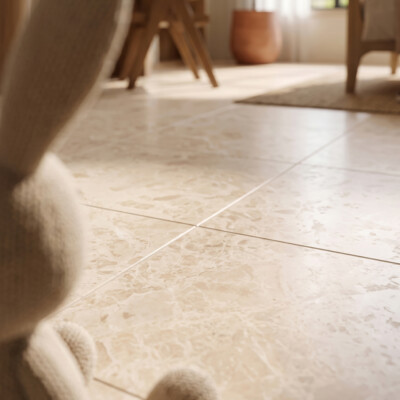
Honed marble has a smooth matte finish with little shine. It is commonly used for floors because it provides better traction than polished surfaces.
But there's important information that you'll need for your tile project! While polished marble floor tiles can be slippery when wet, they remain a top choice for high end luxury and commercial projects, especially in the hotel lobbies and waiting rooms; however, you can learn more about the pros and cons of each finish by visiting our Honed vs Polished Marble Guide!
Marble veins are natural mineral deposits formed during the stone’s geological transformation. They create the distinctive patterns seen in marble slabs and tiles. Vein structures are so specific that they often let you identify different types of marble just by their veining, helping you find the one that perfectly matches your house's aesthetics!
There are a few ways to understand if a marble tile is high quality or not. High quality marble typically has strong structural integrity, attractive veining, minimal cracks or filler, and consistent finishing. When you choose a high grade stone, you’ll be getting more than a beautiful look. Another advantage is that the material is dense, staying aesthetically pleasing and durable for years, especially when you select marble floor tiles for high traffic areas, which can easily handle the joyful rush of everyday life.
No. Variation is a natural and desirable characteristic of stone and contributes to its beauty and uniqueness. Natural stone tiles are totally different from each other, and that's the exact thing that makes a stone tile one of its kind. That's why natural stones are more expensive than other fabricated tile options.
Statuario marble is a rare and highly valued Italian marble recognized for its strong veining and clean white background. If you're planning a commercial tile project or you're into luxury minimalist interior design, Statuario marble tile is one of the best options you can get.
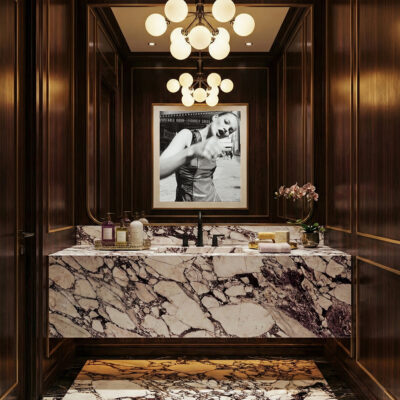
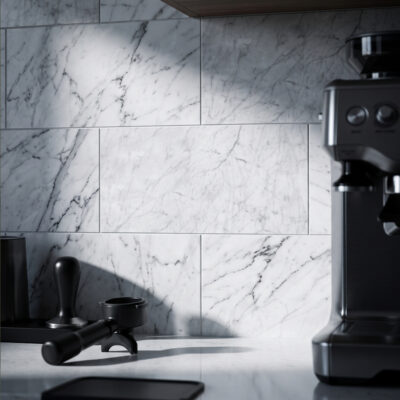
Calacatta marble is a premium Italian marble known for its bright white background and bold, dramatic veining. It is often used in luxury kitchens and bathrooms. Especially, Calacatta Gold marble and Calacatta Viola marble are two of the most chosen marble tile options in our tile projects.
Carrara marble is a famous Italian marble with soft gray veining on a white or light gray background. It is widely used in architecture, sculpture, and tile applications. Carrara marble can be mostly confused with Calacatta marble, check out our Carrara vs Calacatta Marble Guide to learn the basic differences between the two marble options.
Marble is quarried in many parts of the world, including Italy, Turkey, Greece, Spain, Brazil, India, and China. Each region produces marble with distinct colors and patterns. Calacatta marble and Carrara marble are two of the most well known and frequently best selling Italian marble types that are chosen by our residential and commercial tile projects.
Marble is a metamorphic stone created when limestone is exposed to intense heat and pressure within the earth. This process produces the crystalline structure and distinctive veining that marble is known for.