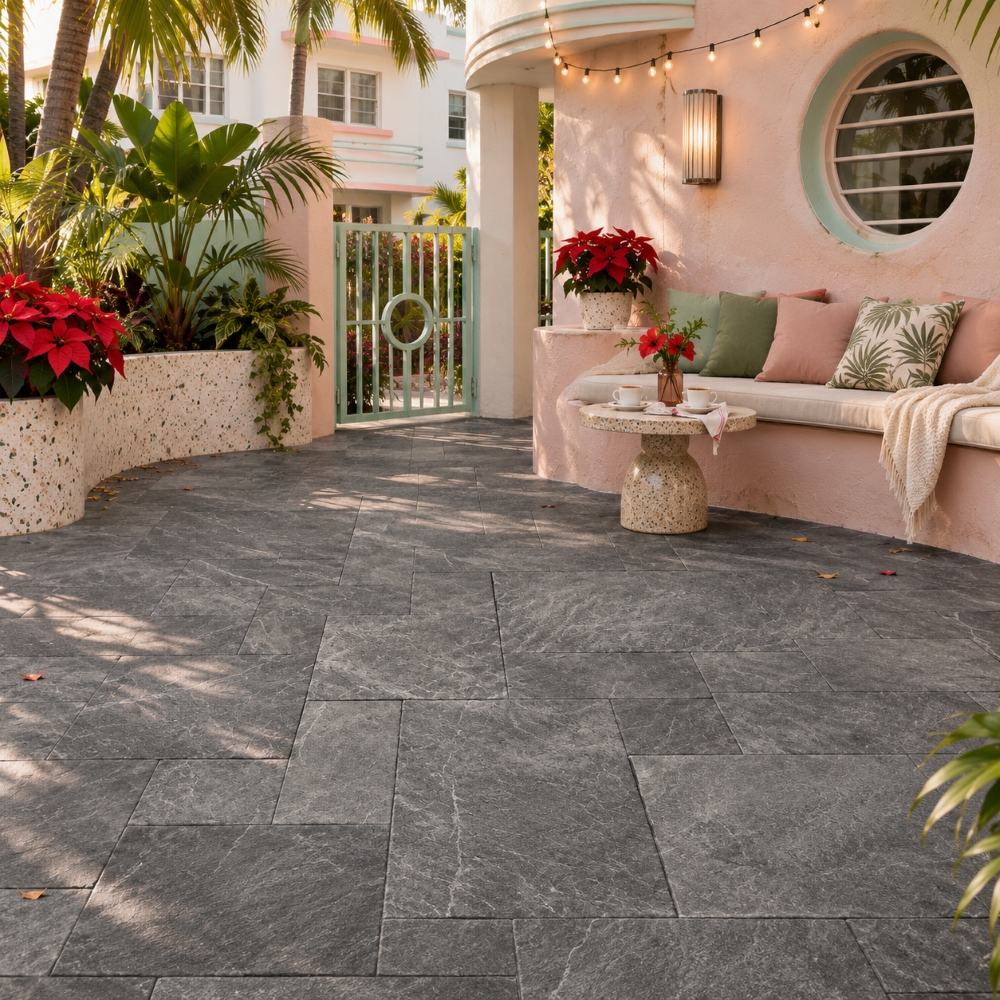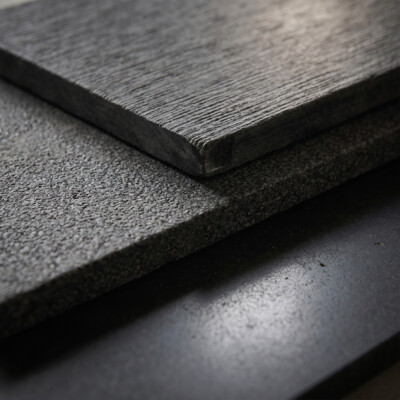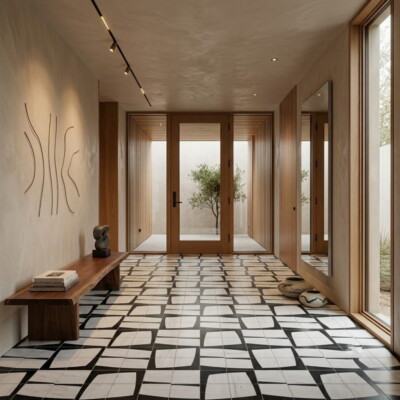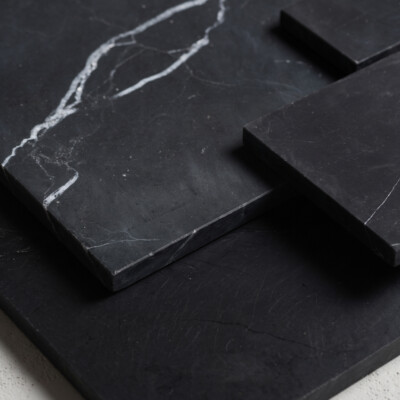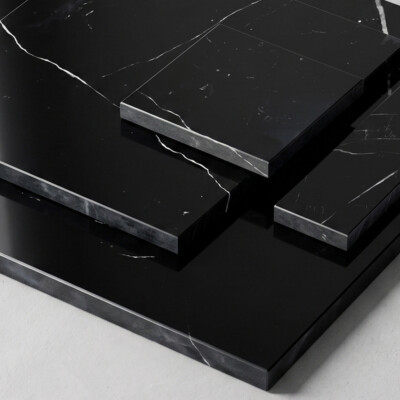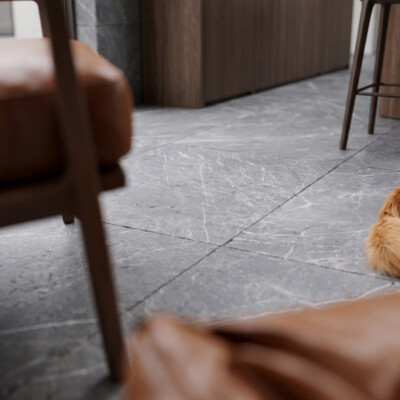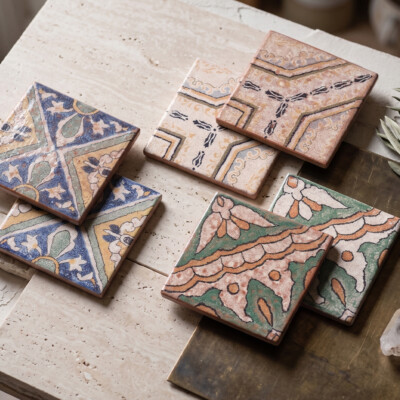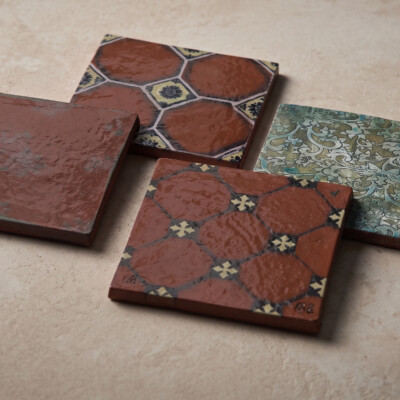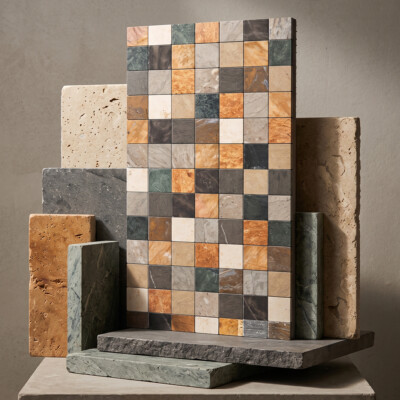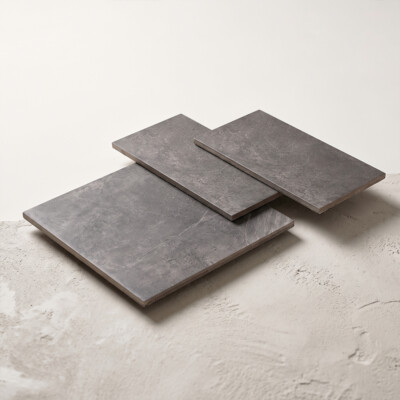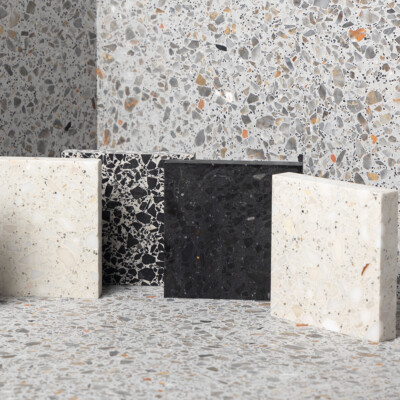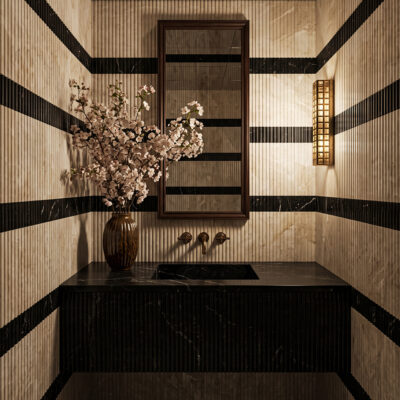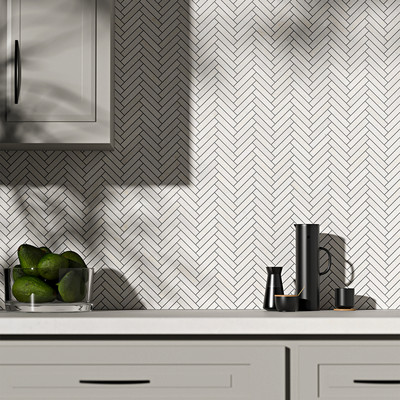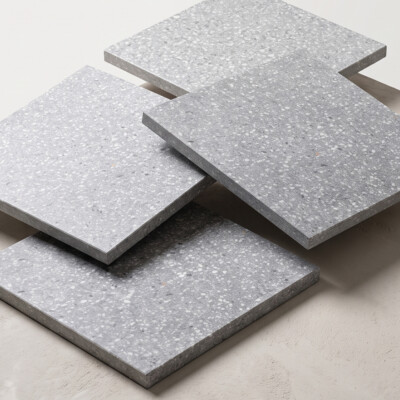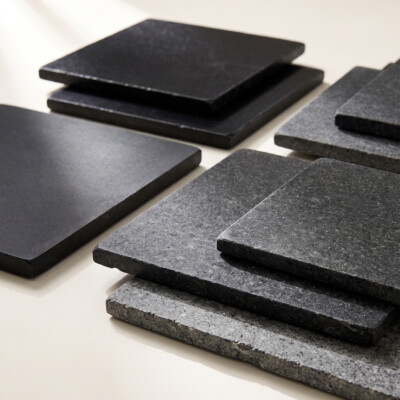
Absolute Black Granite
black, tile, granite

Discover curated Marble Systems collections, compare materials and find the right surface for your project.
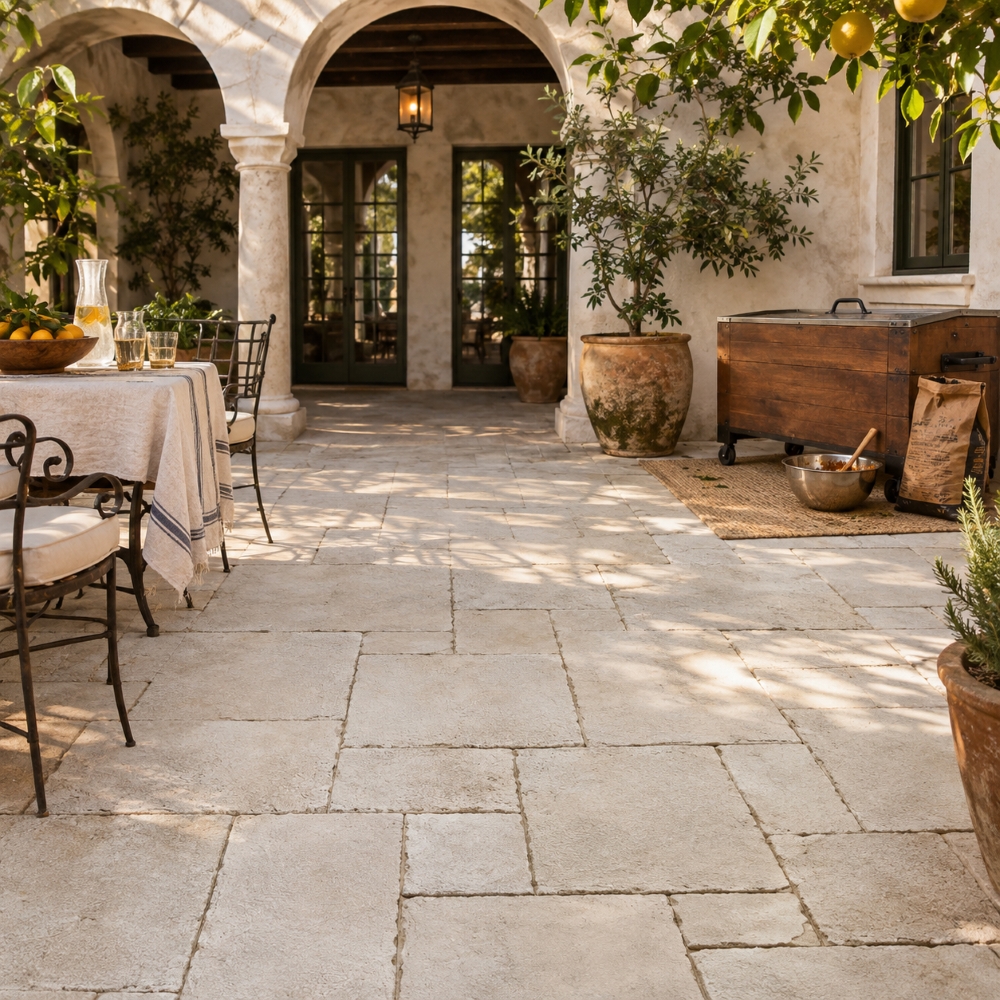
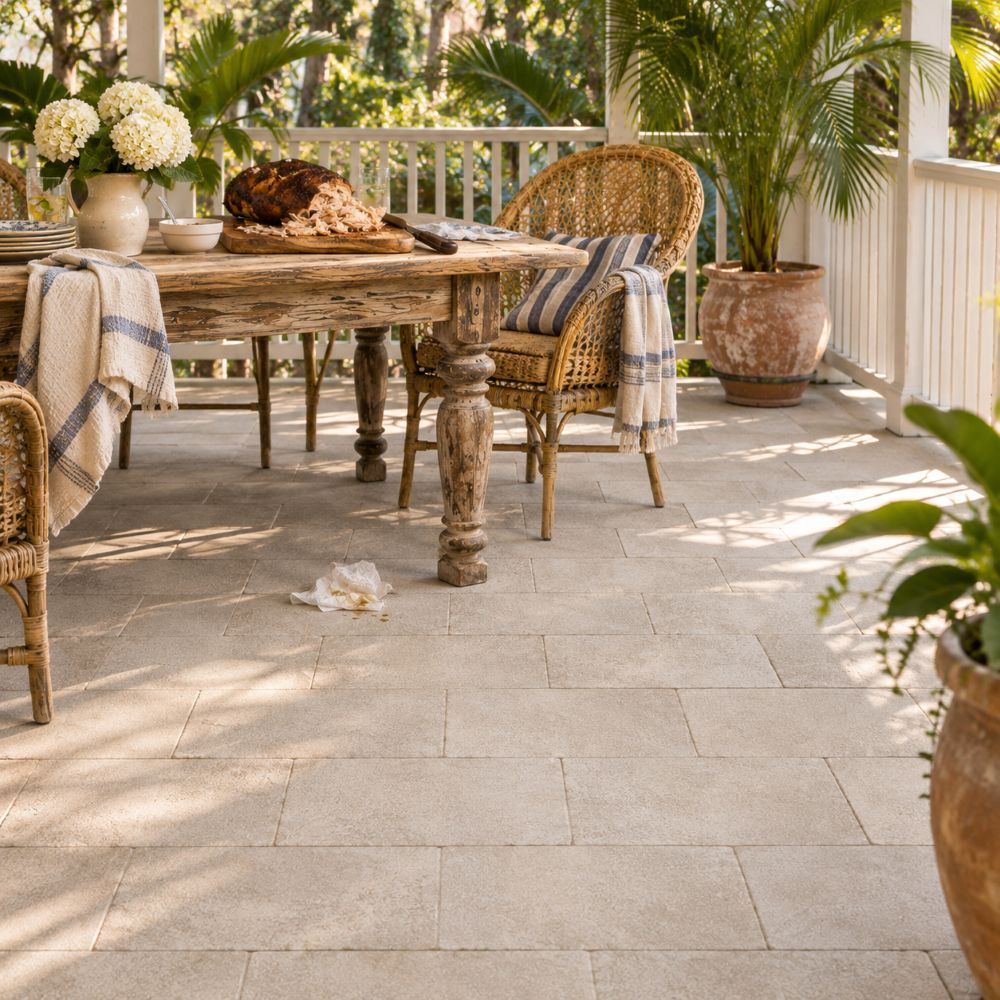
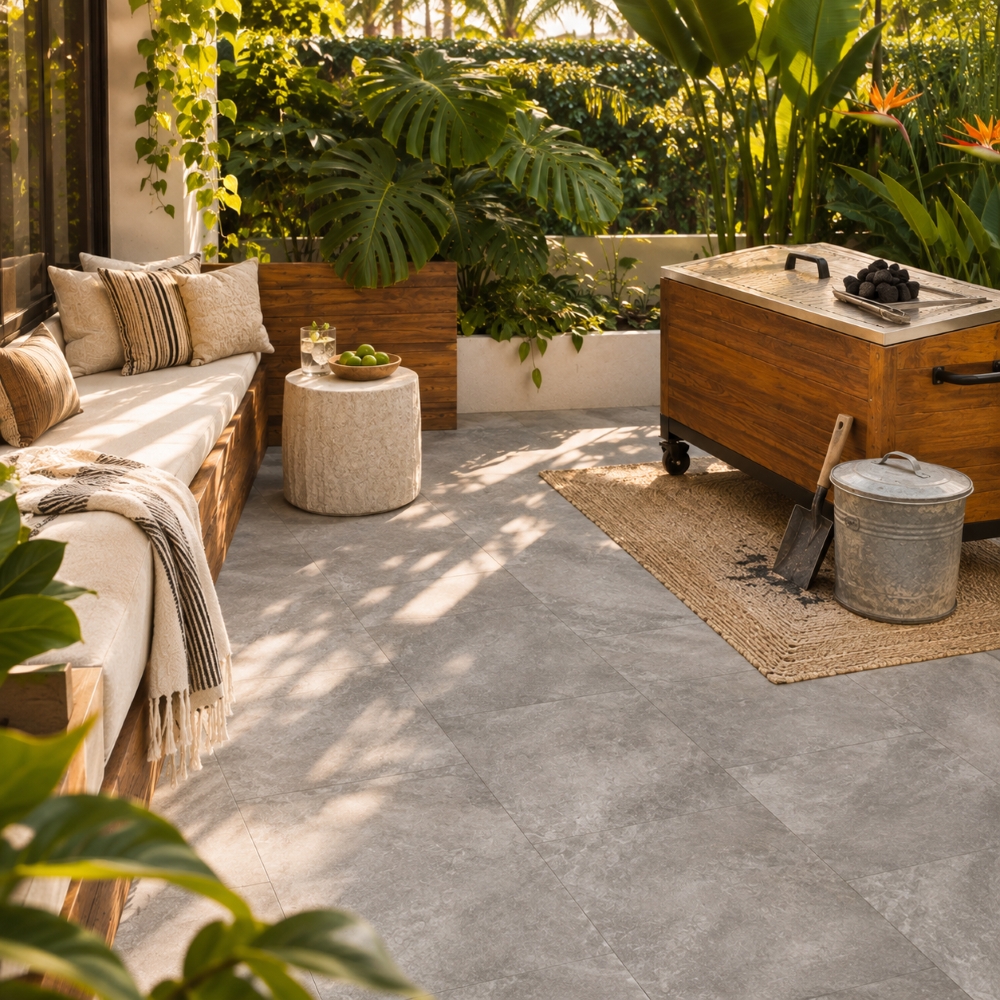
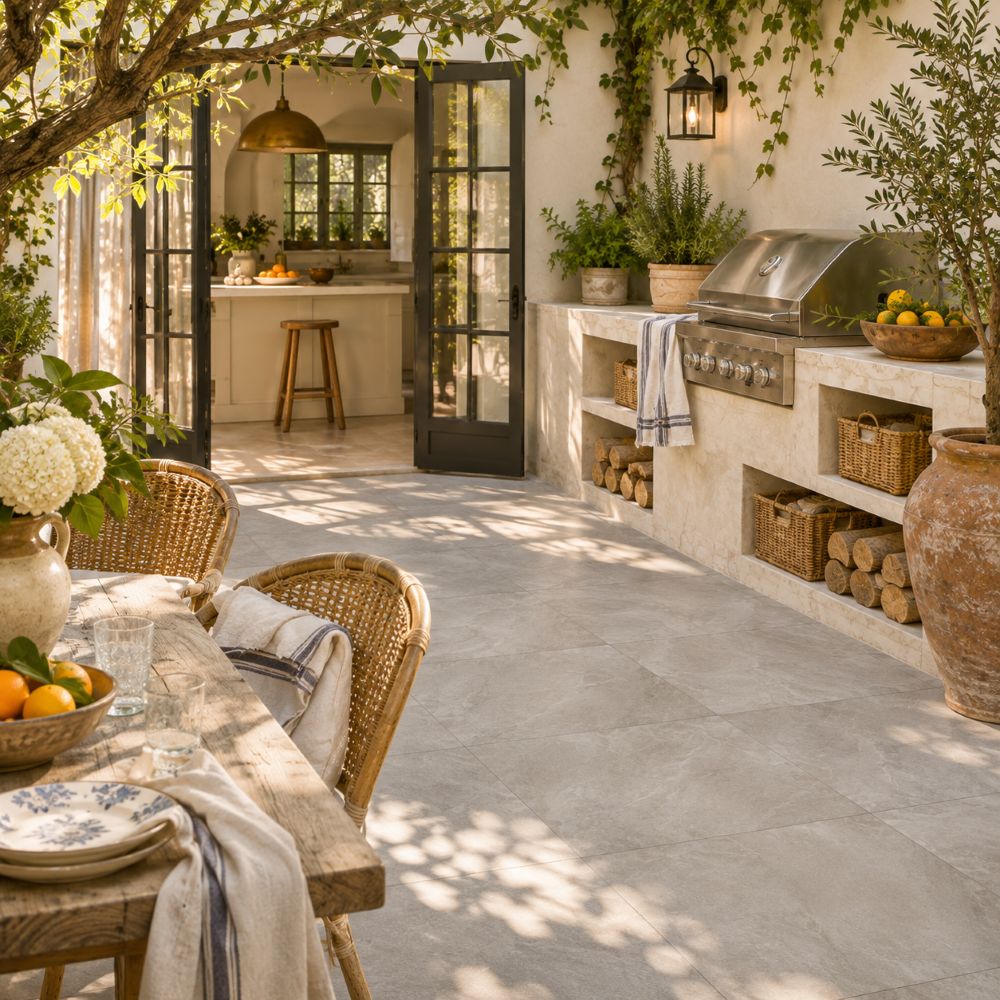
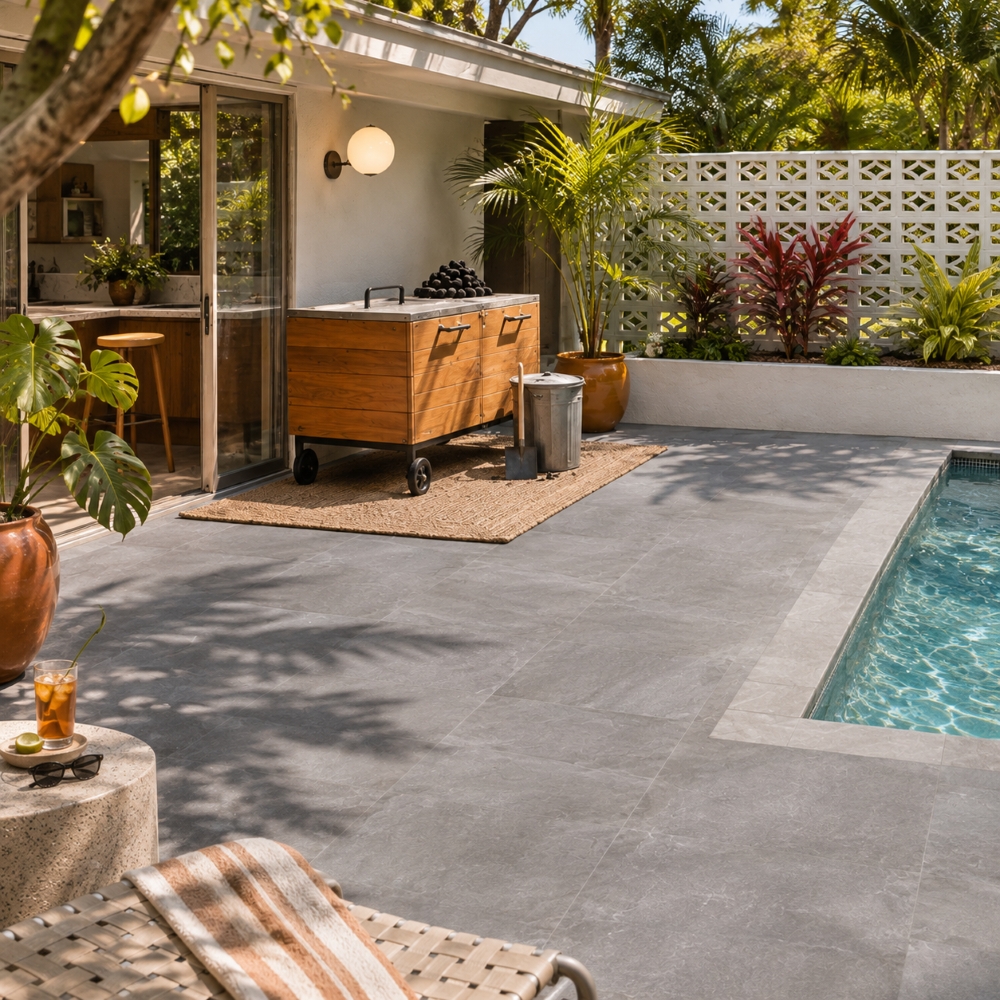
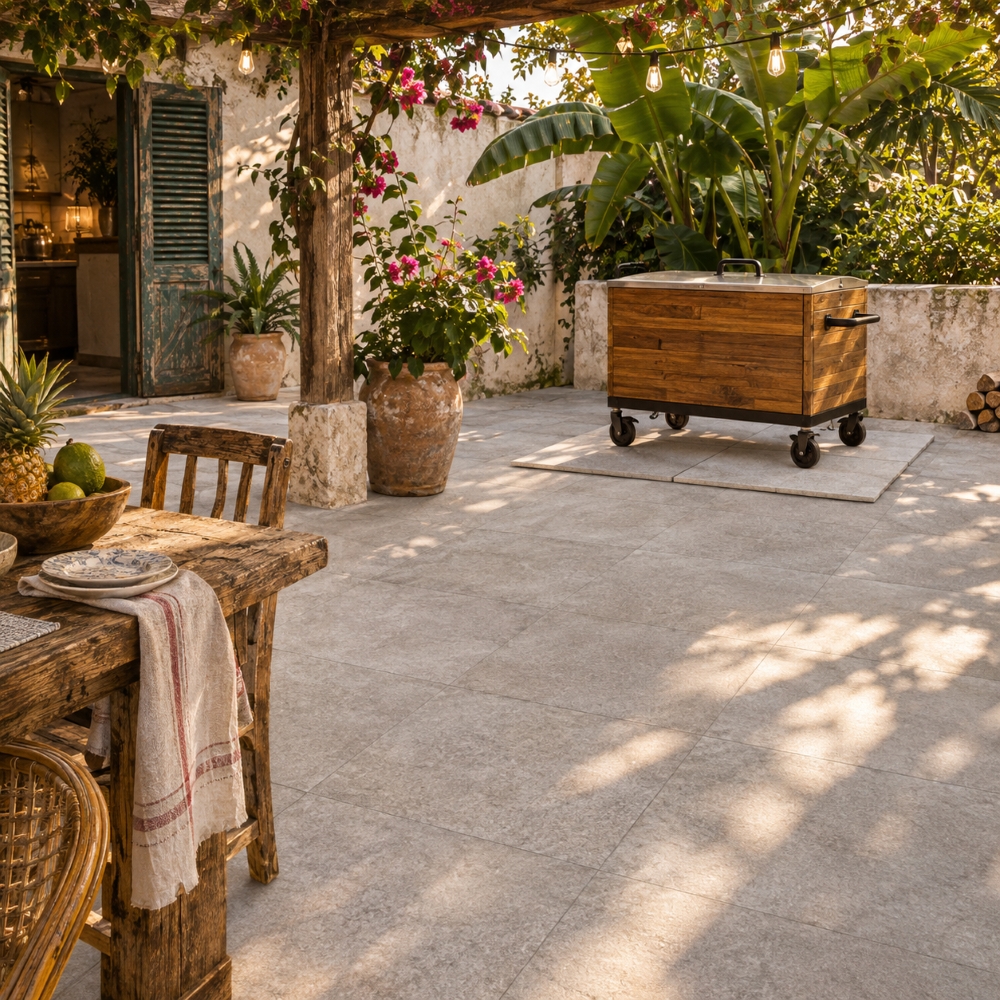
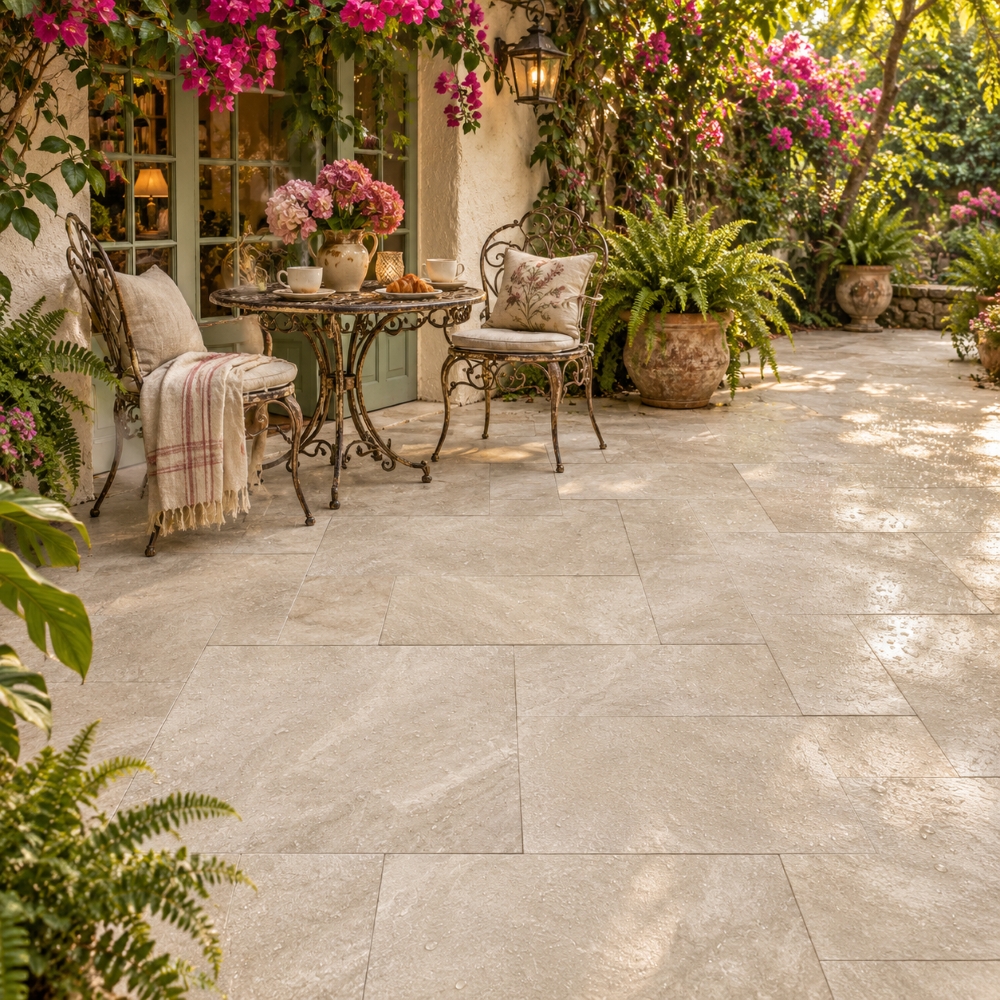
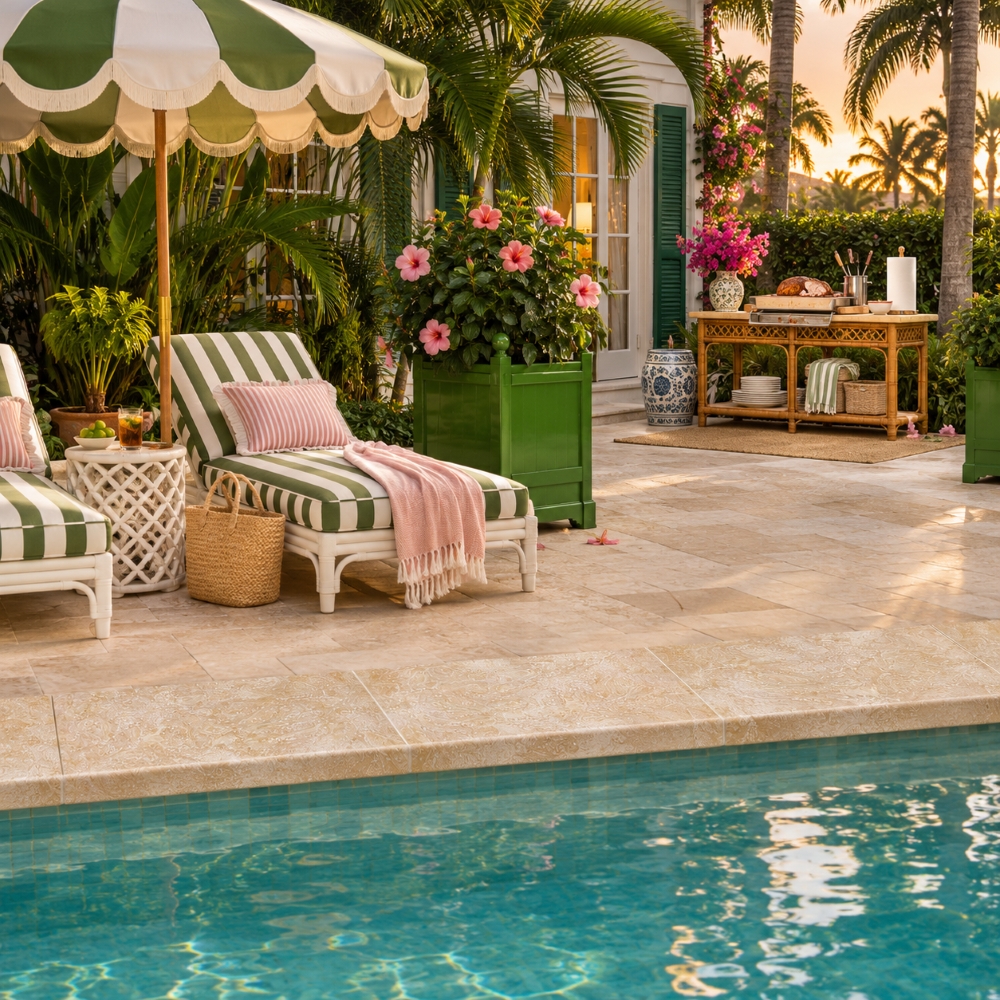
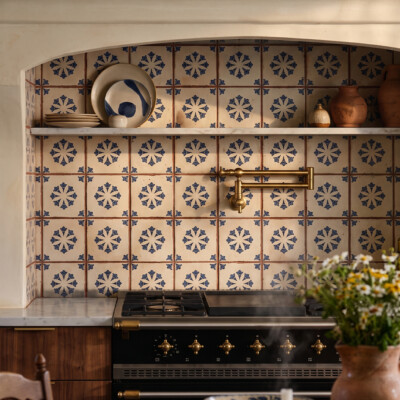
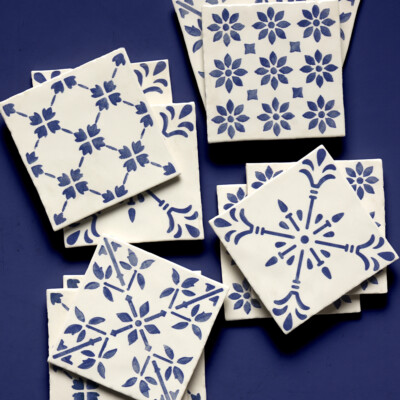
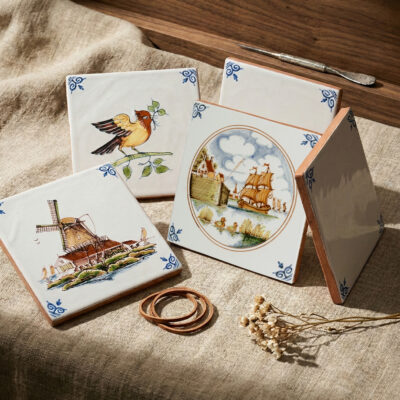
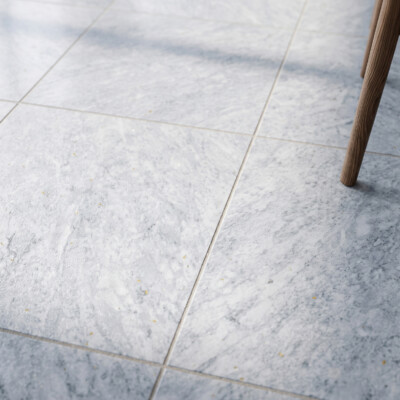
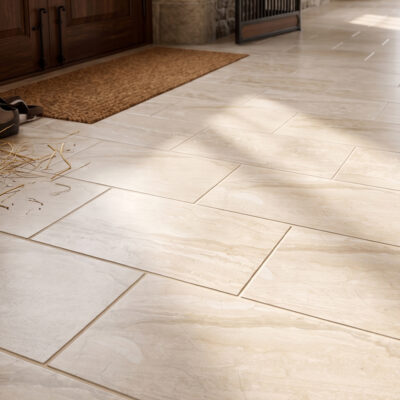
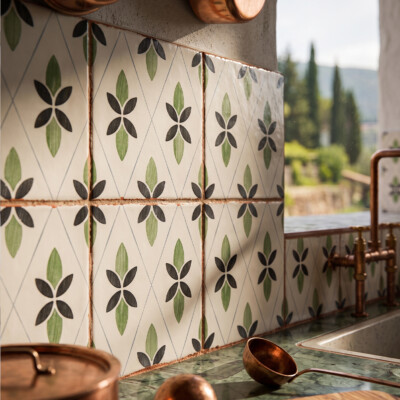
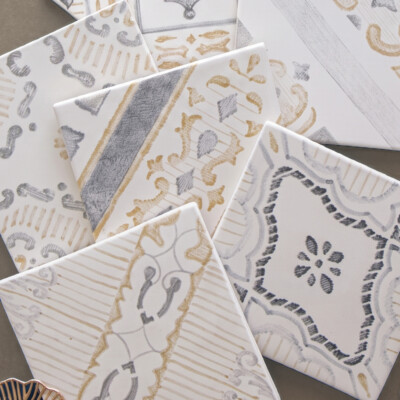
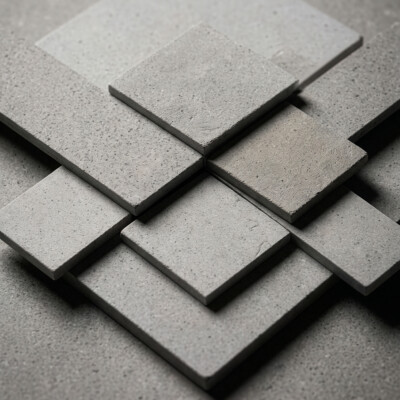
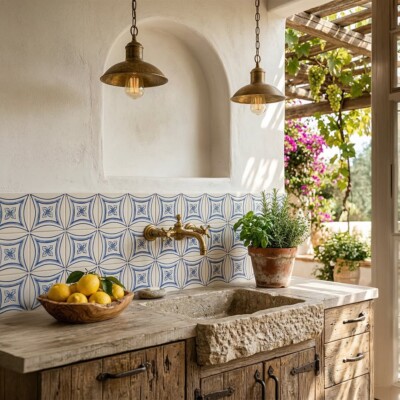
the stone. It fails because of where the roaster sits and how the first spill is handled. How to Protect Stone Pavers From Grease During a Pig Roast 01 of 12 Why a Pig Roast Leaves Grease Stains on Stone Pavers Natural stone is porous. Marble tile, limestone and travertine were built largely from calcite over millions of years, and the open, living texture that gives them their warmth also lets liquids in. A pig roast brings three threats at once: hot fat, ash and acidic marinade. Each one leaves a different mark and needs a different fix. 02 of 12 Grease Drips and Oil-Based Stains Grease leaves a dark, damp looking patch that never seems to dry. The worst drips rarely happen while the pig cooks; they happen when it is lifted out, flipped or carried to the carving table. Clients often assume fat sits on the surface, but in reality warm grease works its way into open pores long before dessert is served. 03 of 12 Ash, Soot and Hot Coals With a roasting box, the coals sit on the lid, so ash falls every time you lift it to add charcoal or check the skin. Dumped ash and stray embers leave gray smudges and can scorch the surface. Let ash cool completely in a metal container, never on bare stone. 04 of 12 Citrus Marinades and Etch Marks on Travertine Mojo is built on sour orange and garlic, and that citrus is acidic. On calcite based stone such as travertine tile, acid does not stain; it etches, leaving a dull, pale spot where the finish used to be.Wipe marinade drips at once with plain water, and keep the marinating tub off the patio altogether. 05 of 12 How to Protect Pavers From Grease Before the Roast Preparation starts a week out, not on the morning of December 24. Choose a level spot away from walls, plants and the pool, close enough to the kitchen that nobody carries a dripping pig across your best stone. Then build a roast zone that is larger than the box itself. 06 of 12 What to Put Under a Pig Roaster on Pavers Most people throw down a plastic tarp. We steer clients away from that, because a tarp can melt near hot coals, slides underfoot and traps grease against the stone. A heat resistant grill mat works, and so do a few spare porcelain pavers laid loose as a sacrificial pad. By definition, porcelain absorbs 0.5 percent water or less, so grease wipes off instead of sinking in. Always follow the roaster maker’s setup instructions. 07 of 12 Does Sealing Pavers Prevent Grease Stains? Most suppliers seal a patio once at installation and walk away. We ask clients to test their stone every fall, because sun, rain and foot traffic wear a sealer down. Drip a little water on the stone; if it darkens quickly, reseal with a penetrating sealer rated for exterior use. A sealer buys you time to clean, but it does not make stone stain-proof. Finish matters too: the best travertine for hot, humid climates is usually unfilled and tumbled or brushed outdoors, a texture that grips wet feet but also gives grease open pores to settle into, so blot early. 08 of 12 During the Roast: Simple Habits That Keep Grease Off Stone Pavers Set a drip tray where the pig will be lifted out and carved, and keep paper towels within reach. Blot spills, never wipe them; wiping spreads oil across a wider area. Keep the carving table away from the pool coping too, so greasy trays and hands do not travel along the edge. 09 of 12 How to Remove Grease Stains From Pavers the Next Day The most common mistake I see on December 25 is a stiff brush and a bucket of soapy water scrubbed hard across a fresh stain, which only spreads it. Blot what remains, then clean gently with a mild liquid detergent or mineral spirits, as the Natural Stone Institute advises for oil based stains. Rinse, let the stone dry and check it again in daylight. 10 of 12 Old Grease Stains: How to Make a Poultice If a shadow remains, mix a poultice: baking soda and water, or an absorbent powder with mineral spirits, to the thickness of peanut butter. Spread it a quarter to half an inch thick and an inch past the stain, cover with plastic and wait 24 to 48 hours. Stubborn stains may need several rounds; reseal the spot once it is clean. 11 of 12 Noche Buena in Miami: Caja China Season on Stone Patios The pig roast has a date and a name. The caja china, the roasting box with coals on its lid, was built here in the 1980s, and on Christmas Eve backyards from Hialeah to Westchester run one for roughly four hours. December is our dry season, but don’t wait for rain anyway; water alone won’t lift grease.In Coral Gables, where limestone tile courtyards sit beside coral rock walls and decorative hand painted tiles dress the front step risers, set the box on the driveway or a protected pad. A Versailles pattern limestone courtyard is one of the best stone choices for Mediterranean style homes, and it deserves better than a roasting box sitting directly on it. In Brickell and Miami Beach towers, ask your association before any charcoal goes on a terrace. 12 of 12 Best Pavers for an Outdoor Cooking Area If you host every year, design the stone around the roast. Most granite tile is denser and less absorbent than travertine or limestone, and textured finishes hide traffic marks. Variegated beige tile and gray tile natural stone pavers forgive an occasional shadow far better than bright white, darker basalt tile hides ash, and a quartzite slab counter makes a hard, honed prep station beside the box. See the Stone in Person (Leave the Pig at Home) If you live near Miami or Pompano Beach and want to see these stones in real life before the cousins arrive, come say hello. Our tile and natural stone showroom in Miami is at 2716 Ponce de Leon Blvd. in Coral Gables, and our tile store in Pompano Beach is at 2010 West Atlantic Blvd. Run your hand over honed, brushed and tumbled samples, browse the outdoor collection with us and bring a photo of your patio. Just leave the pig at home; the samples have waited millions of years for you, but the cafecito won’t. FAQ Does sealing stop grease from staining stone pavers? No, a penetrating sealer only slows how fast grease soaks into stone pavers and gives you time to blot it up, but no sealer makes natural stone stain proof. Is a dull spot from mojo the same as a grease stain? No, a pale, dull spot is an etch mark left by citrus acid on travertine, limestone or marble, and it calls for polishing powder or a stone restoration professional rather than a poultice. Can you get old grease off stone pavers? Usually yes, a poultice left for 24 to 48 hours lifts most old grease from stone pavers, though stubborn stains may take several rounds and a few never fully disappear.
Everything architects, designers and project teams need to know about sourcing, specifying and installing collection — material characteristics, recommended applications and long-term care from Marble Systems.