

Why Your White Marble Slab is Turning Yellow? (How to Fix It)
Nobody wants to see their lovely white marble slab turning yellow, right? Now, let’s imagine this: you selected a premium Calacatta Gold marble slab or a pristine Carrara marble for its pure white shade that can match any kind of interior design style, from a modern bathroom to a cottagecore kitchen. But now, you are staring at a surface that is slowly, undeniably turning the color of old parchment. If you are frantically searching “why is my white marble turning yellow,” stop. Do not grab the bleach or a scouring pad.
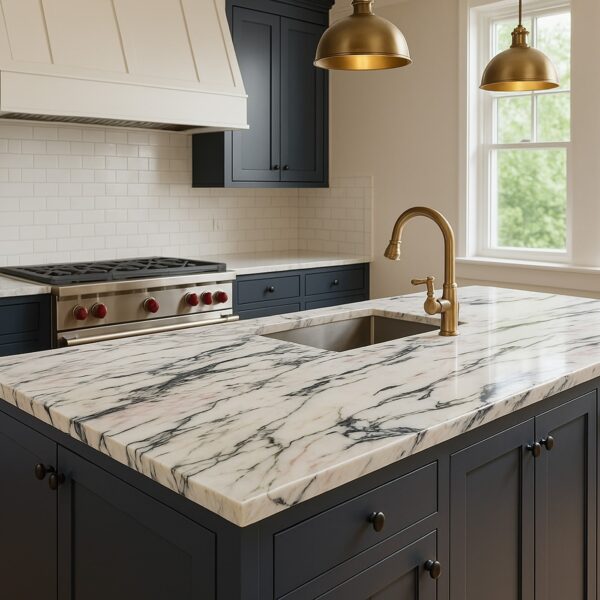
In the stone industry, we see this issue constantly. It is not always staining in the ways you’re familiar with; it is often a chemical or structural reaction. To fix it, you have to diagnose it. At Marble Systems, we don’t just sell stone; we understand the science of natural stone slabs. So, if you want to learn why your marble slab is turning yellow, here is the expert breakdown of marble discoloration causes and the specific protocols to reverse them.
Diagnosis 1: Iron Oxidation (The Rust Factor)
Is the yellowing spotty, orange-ish, or following the veins? Many white stones contain microscopic iron deposits. When exposed to water and oxygen (usually due to a lack of proper sealing), these deposits rust. It is literally iron oxidation occurring inside your stone. No previous experiences about sealing natural stone? Visit our tile blog to get more information!
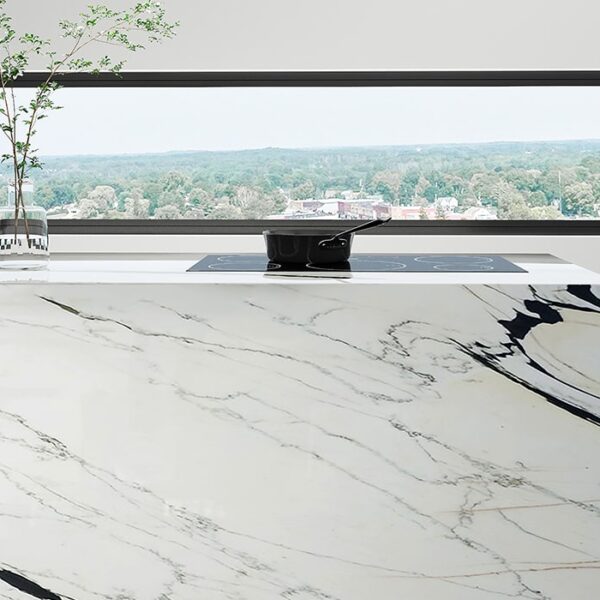
The Fix: This requires chemistry, not scrubbing. You need to learn how to remove yellow stains from marble using a reducing agent. A standard cleaner won’t touch this. You need a specialized marble stain remover poultice designed specifically to extract metallic ions from the pores.
Diagnosis 2: The Yellowing of Age (Waxes & Resins)
If your marble flooring has a yellowish, plastic like film, the stone isn’t yellow; the coating is. In the past, installers often used wax or acrylic sealers to create a wet look. Over time, these coatings degrade under UV light and trap grime. Similarly, the epoxy resins used to fill voids in cheaper stone can turn amber over time.

The Fix: You need a heavy duty alkaline stripper to remove the old wax layers. Once stripped, the white marble turning yellow underneath is often revealed to be pure white again. Trust us, it’ll look like day one!
Diagnosis 3: The Shower Pan Issue (Moisture Entrapment)
If you choose a marble slab shower instead of marble tiles, you need to take care of that, as well. This is the most technical and frustrating cause, specifically for a white marble shower floor turning yellow. If the yellowing is uniform across the slab surface (not just spots) and looks almost blotchy or damp even when dry, you likely have a moisture issue. Options like Thassos White marble or Carrara are translucent. If the water accumulates in the mortar bed underneath the bathroom floor because the shower pan isn’t draining perfectly, that dirty water wicks up through the stone. As it evaporates on the surface, it leaves behind mineral deposits and salts.

The Fix: This is structural. You must stop using the shower and let the stone dry out completely (this can take weeks). A professional stone restoration crew can use heaters and dehumidifiers to accelerate this. If it persists, it may be an installation failure in the pan slope.
Let’s Learn the Right Way: How to Fix Yellowing Marble

If you have ruled out moisture entrapment and confirmed it is a surface issue, here is your action plan for how to fix yellowing marble:
The Poultice Method: For deep stains or oxidation, apply a poultice (a paste made of a liquid solvent and an absorbent powder). Spread it over the yellow stains on marble, cover it with plastic wrap, and tape it down.
The Wait: Let it sit for 24 to 48 hours. The poultice literally pulls the stain out of the stone as it dries.
Neutralize: After removing the paste, clean the area with a pH neutral cleaner.
Prevention: The Must of Marble Care
Congratulations, you probably did it! But here is the thing: once you restore the white, you must protect it. Proper marble maintenance is a must, and you cannot escape it.

Seal Correctly: Use a high quality impregnating sealer that allows vapor transmission, because the stone needs to breathe.
Squeegee: If you have marble floor tile in a wet area, mechanical removal of water is your best defense against oxidation.
Audit Your Cleaners: Marble care and maintenance fail when you use supermarket cleaners. They contain surfactants that leave sticky residues, which trap dirt and turn yellow.
Where to Call the Pros? You Know Our Showrooms!
If the yellowing is deep, widespread, or related to moisture entrapment, DIY methods have limits. You may need professional re-honing. Your stone is kind of an investment you’ve made for your home or commercial space. Don’t forget that it was formed over millions of years; it can survive a little yellowing if treated with in the right way. If you need to replace damaged stone or want to see high quality, iron tested options, search for a marble slab showroom near me and visit us at Marble Systems. We ensure our clients understand not just the beauty, but the science of living with stone.
Explore All Marble Slabs