Explore the

Taj Mahal Quartzite

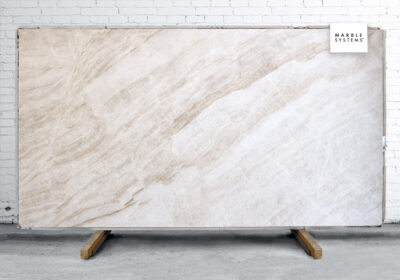
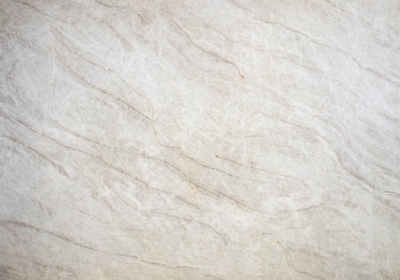
Taj Mahal is a type of quartzite with lots of surprises that you’d never expect. Like, a standard kitchen knife sits around 5.5 on the Mohs hardness scale. Taj Mahal Quartzite sits at 7. Put plainly: the stone will dull your knife before your knife ever scratches the counter. That's the kind of detail that actually matters once the slab is installed and someone's cooking dinner on it every night, more than any description of the veining.

10 Available
products

Showing all 10 resultsSorted by popularity

Filters
Taj Mahal Supreme Textured Quartzite Slab Random
Taj Mahal Textured Quartzite Slab
Thickness:1 1/4" thick
Taj Mahal Honed Quartzite Slab Random
Taj Mahal Honed Quartzite Slab
Thickness:1 1/4" thick
Taj Mahal Supreme Polished Quartzite Slab Random
Taj Mahal Polished Quartzite Slab
Thickness:3/4" thick
Taj Mahal Supreme Leather Quartzite Slab Random
Taj Mahal Leather Quartzite Slab
Thickness:3/4" thick
Taj Mahal Supreme Honed Quartzite Slab Random
Taj Mahal Honed Quartzite Slab
Thickness:3/4" thick
Taj Mahal Textured Quartzite Slab Random
Taj Mahal Textured Quartzite Slab
Thickness:1 1/4" thick
Taj Mahal Supreme Honed Quartzite Slab Random
Taj Mahal Honed Quartzite Slab
Thickness:1 1/4" thick
Taj Mahal Polished Quartzite Slab Random 1 1/4 Image
Taj Mahal Polished Quartzite Slab
Thickness:1 1/4" thick
SL71002 Item Image
Taj Mahal Leather Quartz Slab
Thickness:1 1/4" thick
Taj Mahal Supreme Polished Quartzite Slab Random
Taj Mahal Polished Quartzite Slab
Thickness:1 1/4" thick

A guide to designing with taj mahal quartzite

Explore taj mahal quartzite materials, finishes, and design ideas to help you choose the right option for your space.

FREQUENTLY ASKED QUESTIONS

Not from what we're seeing come through the warehouse, because we're using Taj Mahal quartzite a lot! If anything, the all white, perfectly uniform countertop look that was everywhere a few years back is the one starting to feel dated. Because, you know, warm neutral aesthetics are trending right now, and in the maximalist kitchen designs, there has to be a detail that should stay calm among the other details. That's Taj Mahal Quartzite.

Taj Mahal fits where design is actually heading right now: warmer, with visible natural movement instead of a flat, manufactured look. The one real shift is how people are pairing it. Fewer matchy matchy full walls of it, more of it set against dark cabinetry or mixed with other materials for contrast.

The stone hasn't gone anywhere. People are just using it differently than they did five years ago.

Taj Mahal quartzite is a wonderful material to work with because it can work really well with most of the materials and color schemes!

Most of our clients end up going in one of two directions. Either a clean white or ivory marble tile backsplash, subway or herringbone tile pattern, which are mostly classic choices to make for a backsplash and let the countertop do the talking, or a full-height slab backsplash in the same Taj Mahal, which has gotten more popular over the last couple of years for that seamless, waterfall adjacent look. What tends not to work is anything busy or dark grouted directly above the counter. The veining in the stone is already doing a lot visually, and it starts competing with a loud tile instead of complementing it.

A plain white farmhouse sink is the safest option to match with other details, and it works every time because it doesn't clash with the gold veining of Taj Mahal quartzite. If you want something warmer and more real life looking with imperfections and color variations, a natural stone sink close in tone to the countertop tends to disappear into the design rather than standing out against it. Stainless works fine too; just watch the faucet: chrome looks cold next to Taj Mahal's warm undertones, so brushed nickel or brass usually looks more harmonious.

We'd rather a client hear this from us before the install than after. It needs resealing, typically somewhere in the 12 to 18 month range, and that's just not something engineered surfaces ask of you.

In some of the residential or commercial projects, clients are asking for exact same looking slabs, and what actually ships to your fabricator can look noticeably different, lighter in one batch, heavier veining in another. We always tell clients to look at the physical slab before fabrication instead of looking at room scenes alone.

It also costs more than granite countertops, and depending on how the quarry supply is running, lead times aren't always predictable. None of this has stopped us from recommending it constantly. It just isn't the set it and forget it stone some people assume a quartzite will be.

Depends what you're optimizing for, because your needs will totally change what you'll need, quartz vs quartzite countertops. The natural stone version is harder, handles heat better, and stone slabs are all different once they're cut; that's the whole appeal for a lot of our clients, especially for homeowners. But it does need sealing every so often, which can make people have doubts if they've only ever owned quartz. Engineered quartz, on the other hand, skips that maintenance step and gives you a color that won't vary from one edge of the slab to the other. Some suppliers even sell a Taj Mahal Quartz that mimics the look. If your household doesn't want to think about sealing, that's probably the better fit. If you want a real natural stone piece with a soul, actual mineral movement, not a printed pattern, you should definitely give quartzite a chance.

Compared to granite slabs, yes, you'll pay more. Compared to rarer high movement quartzites, it's actually one of the more accessible options in the premium tier. Taj Mahal sits somewhere in the middle of the quartzite market, and it's stayed there for years because the demand is always high, and it's the #1 decision for most of the interior designers who lean on warm neutral interior design aesthetics. Brazil doesn't produce unlimited blocks of it, so when a batch is good, fabricators tend to grab it fast. Within our own inventory, finish plays into cost too; honed and textured slabs usually come in a bit under polished Supreme grade ones, so there's some room to work with depending on what the project needs.