
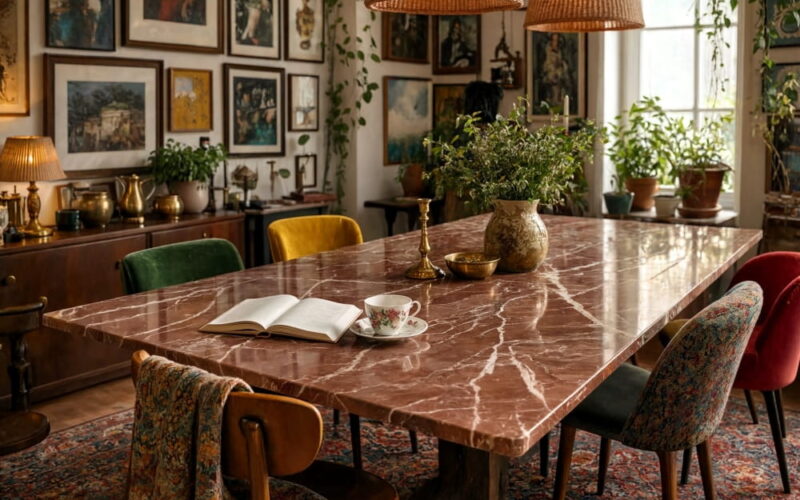
If you’re sourcing marble slabs in Pompano Beach, you already know this city asks more of a stone than most inland markets do. The salt air rolling off the Intracoastal, the humidity that never really breaks even in January, the afternoon storms that soak a lanai in minutes, all of it changes how a slab should be selected, sealed, and installed.
We’ve spent years fabricating for homes and commercial builds along this stretch of Broward County, and what we’ve learned is simple: marble isn’t a risky choice for South Florida. It’s a smart one, as long as it’s chosen and cared for with the climate in mind.
1. Marble Slabs in Pompano Beach: A Coastal Climate Guide
There’s a reason marble keeps showing up in Pompano Beach kitchens and outdoor entertaining spaces from Lighthouse Point down to Deerfield Beach, despite the reputation natural stone has for being “high maintenance.” It isn’t stubbornness. It’s the way marble catches Florida light, that soft, almost translucent quality that no engineered surface fully replicates. Homeowners who’ve lived with it for a decade will tell you the same thing: the veining shifts subtly depending on where the sun hits it that afternoon, and that’s not something you get tired of.
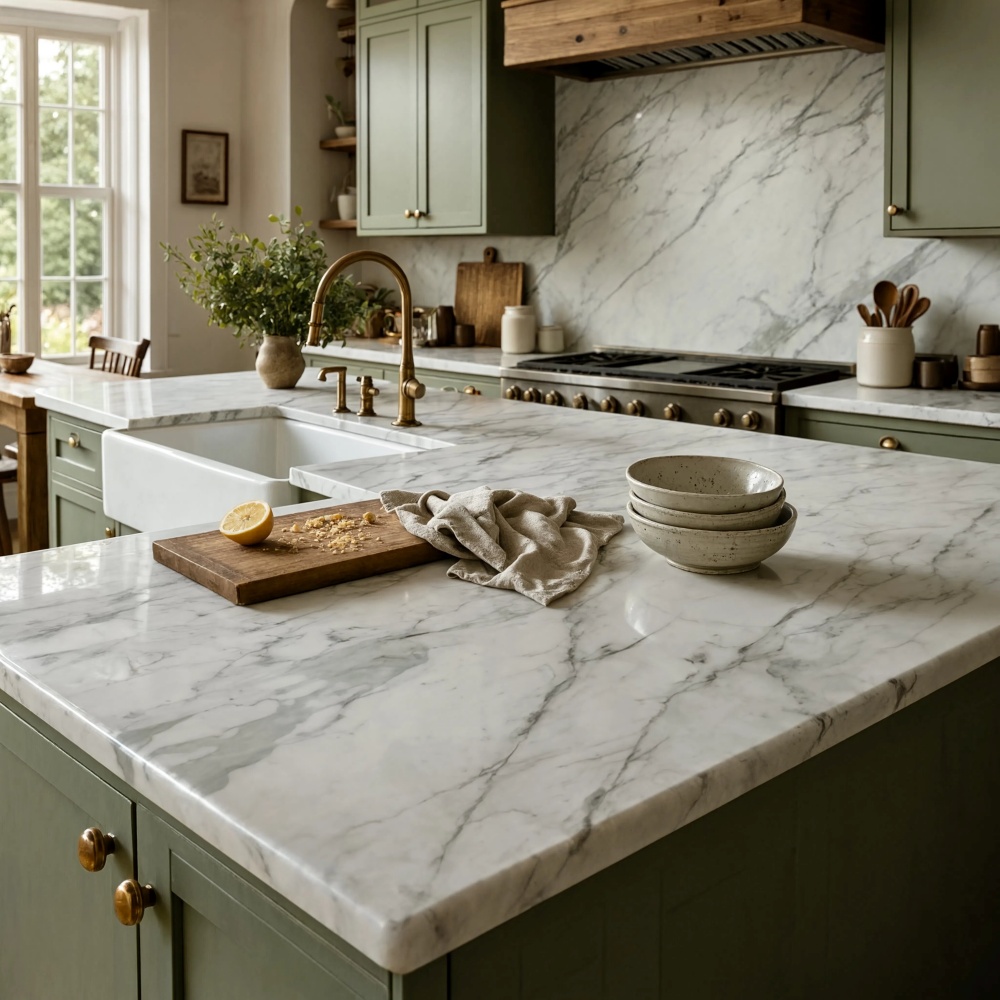
For architects and designers working on waterfront projects, marble also solves a practical problem. Coastal interiors lean toward whites, soft grays, and warm neutrals to balance all that natural light, and marble’s natural veining and tonal range gives a project depth without fighting the palette. It reads as intentional, not decorated.
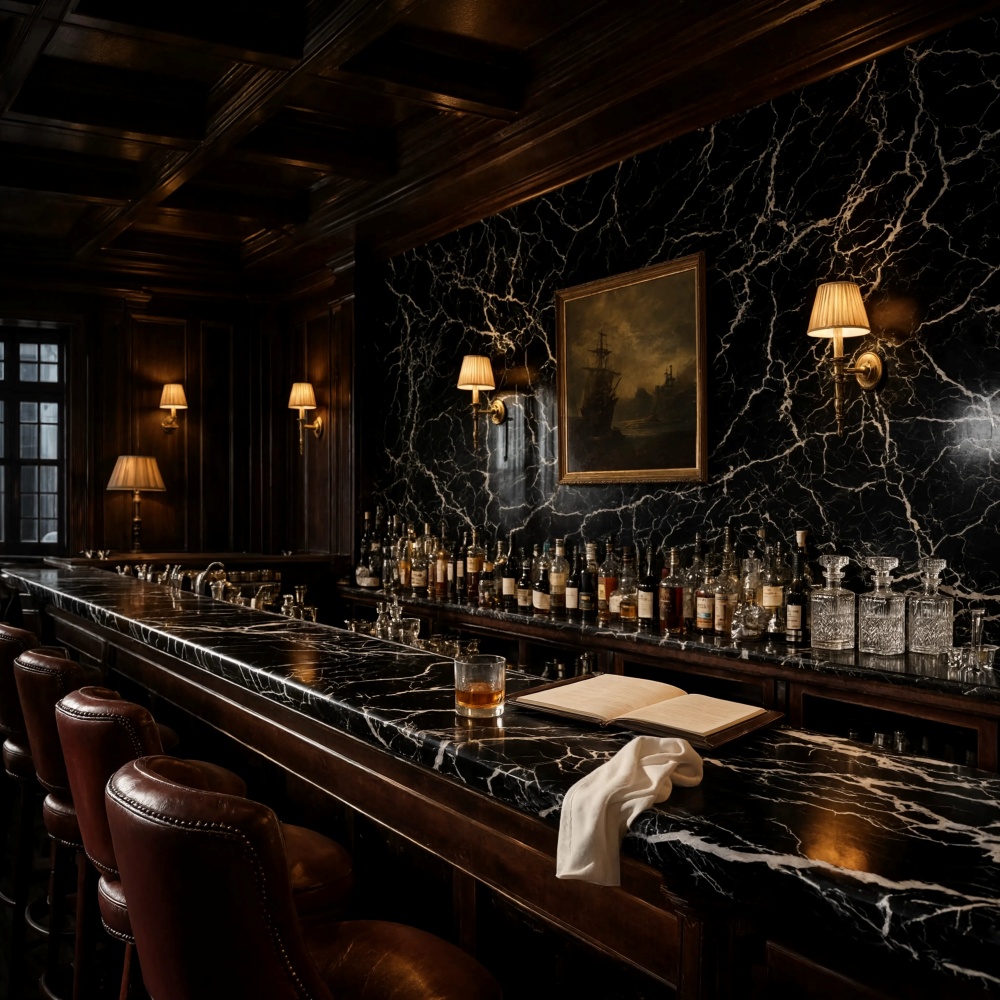
2. What the Coastal Climate Actually Does to Stone
Here’s where honesty matters more than a sales pitch. Marble is calcium carbonate, a soft, porous stone by nature, and Pompano Beach’s climate will interact with it whether you plan for it or not. Ambient humidity sitting above 70% for much of the year means unsealed or under sealed marble can absorb moisture slowly over time, particularly around sinks, tub decks, and any surface near a pool. Salt air carries fine mineral particulates that, left unaddressed on an outdoor slab installation, can dull a honed finish faster than the same stone would dull inland.
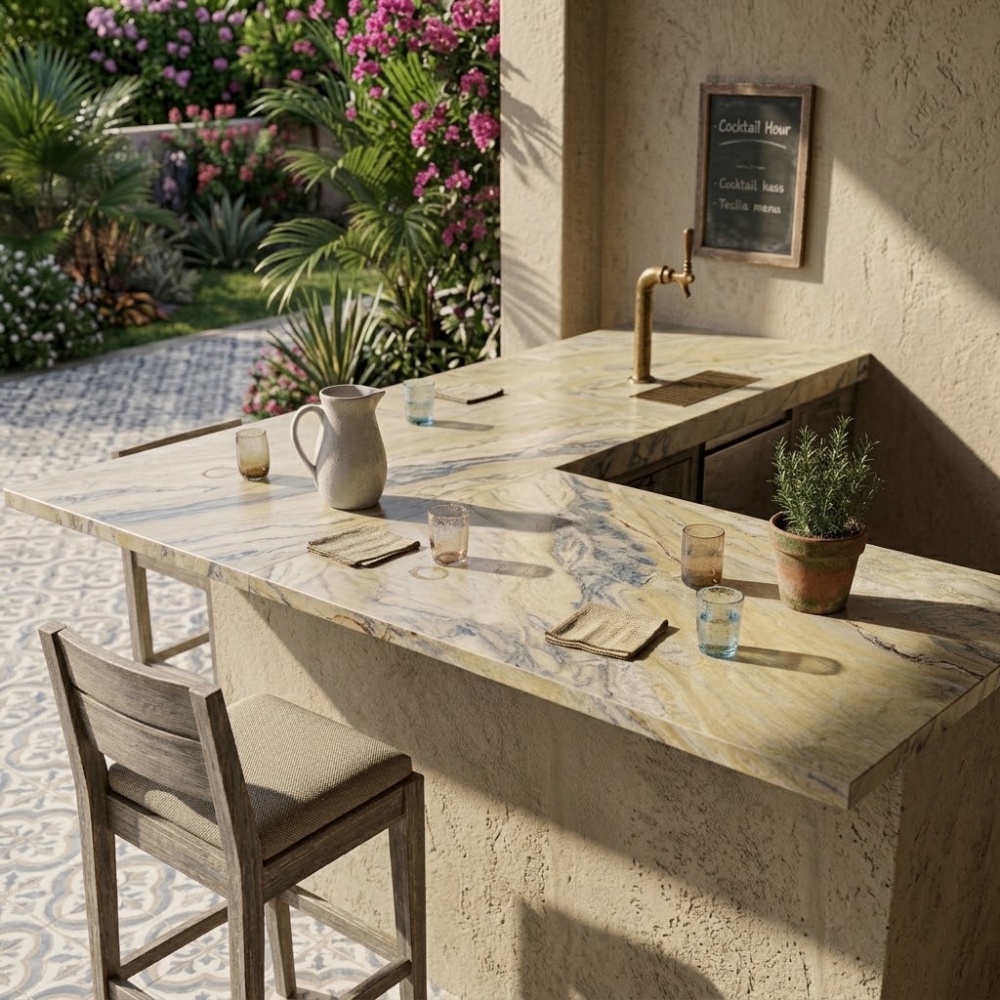
3. Choosing the Right Marble for a Salt Air Environment
Not every marble behaves the same way once it’s out of the quarry. Denser, tighter grained varieties hold up noticeably better in humid, salt heavy air than softer, chalkier stones with looser crystal structure. When we’re specifying marble slabs for a Pompano Beach projects, we’re paying close attention to the block’s density and how it was finished, honed surfaces tend to hide the etching that acidic rain or pool chemicals can cause, while high polish shows every mark.
4. Where Marble Performs Best in a Coastal Home
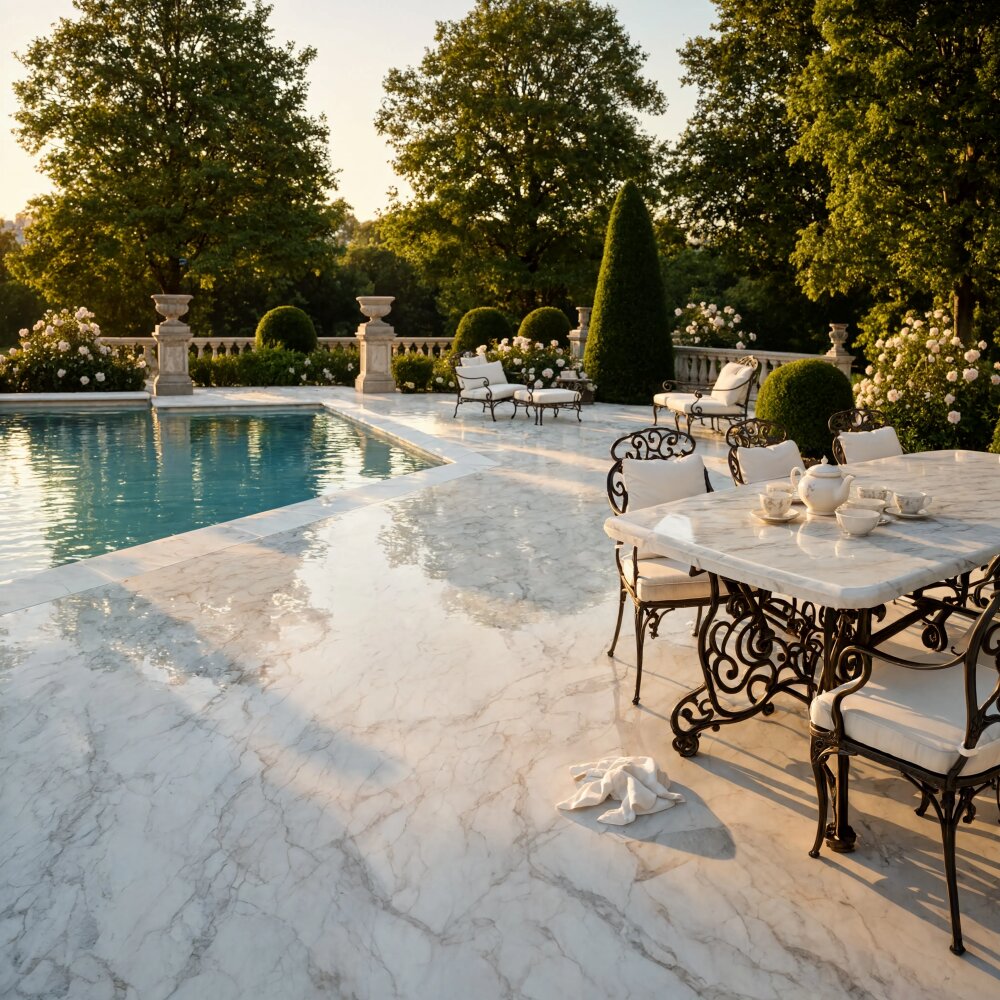
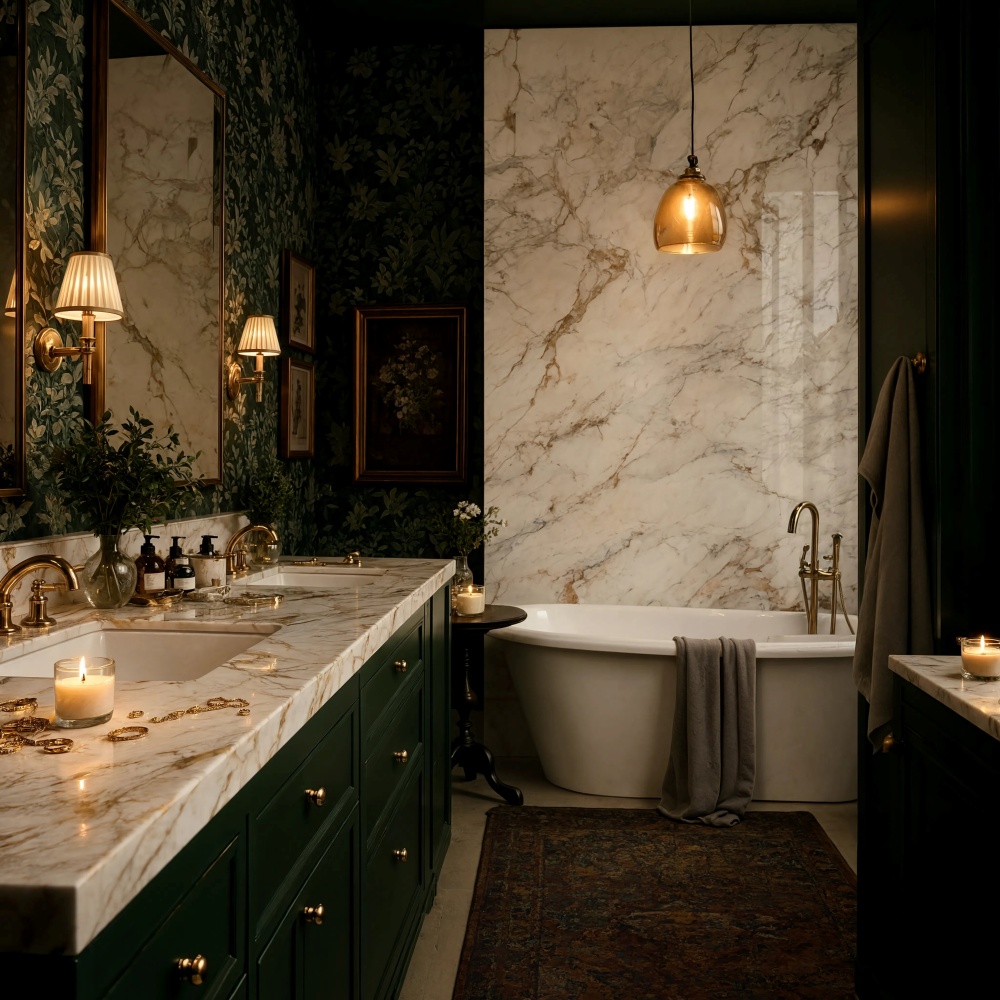
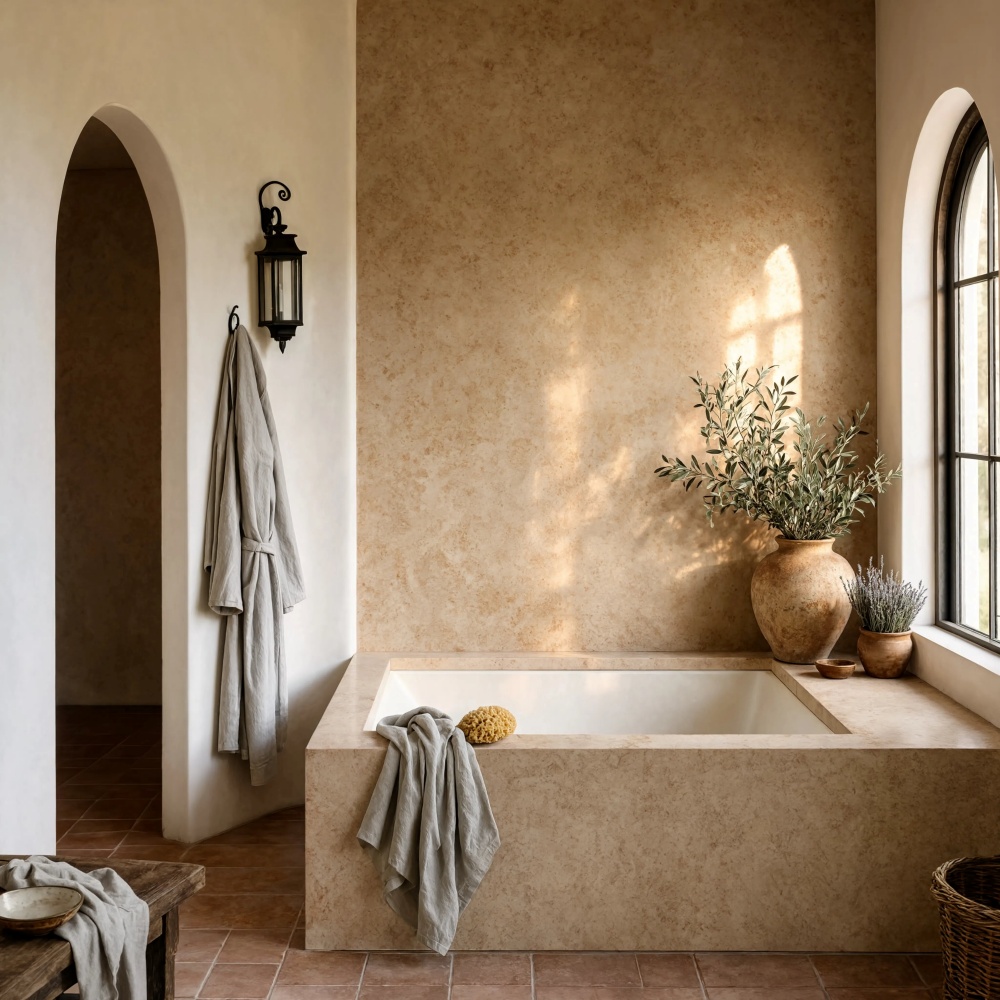
Interior applications are the most forgiving. A marble kitchen island or waterfall countertop, properly sealed, handles South Florida humidity without much drama, it’s a controlled, air conditioned environment most of the year. Bathroom applications, from vanity tops to full shower surrounds, are where marble genuinely shines in this climate; the material’s natural coolness underfoot is a small luxury that homeowners notice immediately.
Outdoor and pool and spa installations require the most planning, but they’re far from off limits. For an outdoor kitchen counter or a pool deck coping, we typically recommend a honed or brushed finish, a slip resistant texture, and a sealing schedule closer to every six to eight months rather than annually. Done right, marble outdoors ages the way good stone should, with a soft, lived in patina rather than visible wear.
5. A Note for Contractors and Design Teams
If you’re specifying stone for a client project rather than your own home, the biggest variable isn’t the marble itself, it’s setting expectations early. Walk clients through sealing schedules before installation, not after the first wine stain shows up. Fabricators working in this market should also account for slightly longer cure times on adhesives and grout given the ambient humidity, something inland crews don’t always plan for on their first coastal job.
Visit Our Pompano Beach Slab Showroom
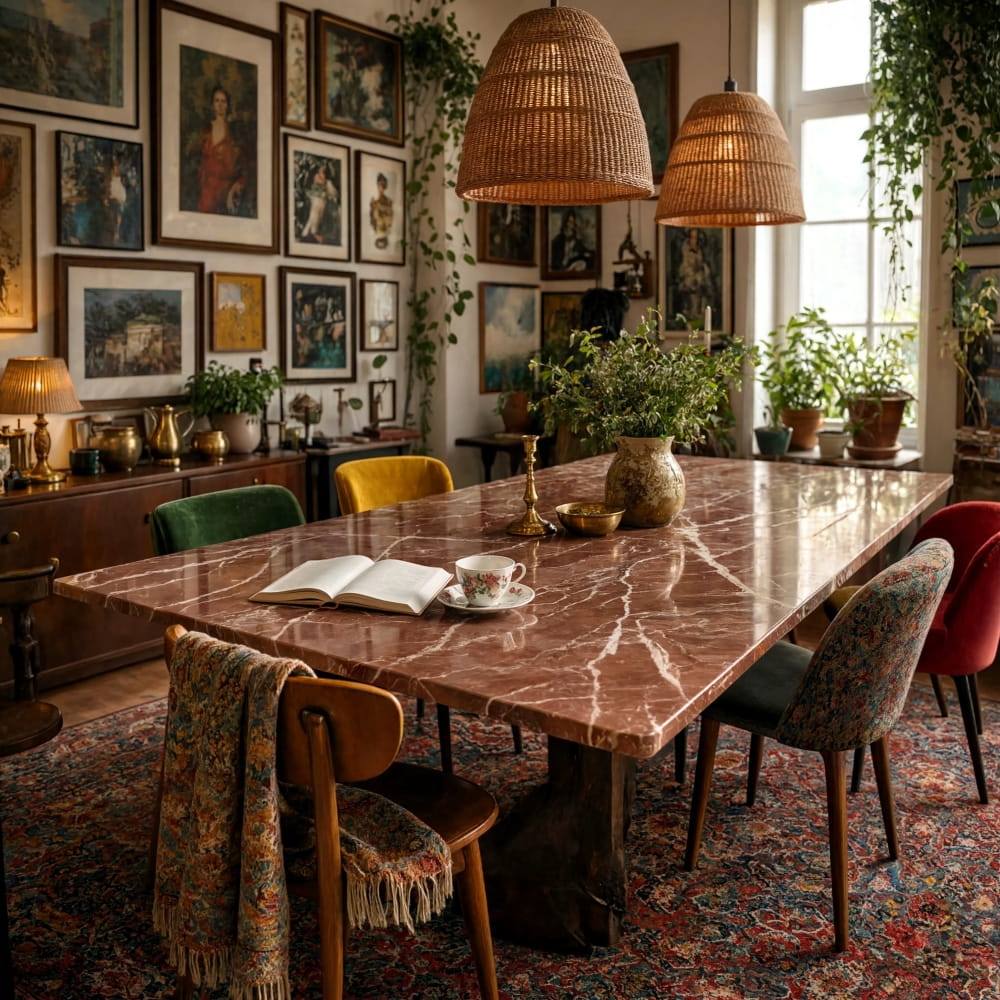
Photos and specs only tell you so much about a slab, the way it moves in natural light, the weight of it, the exact grain pattern, all of that is worth seeing in person before you commit a project to it. We’d invite you to visit our Pompano Beach slab showroom and walk our current inventory of natural stone slabs with one of our specialists.