
Table of Contents
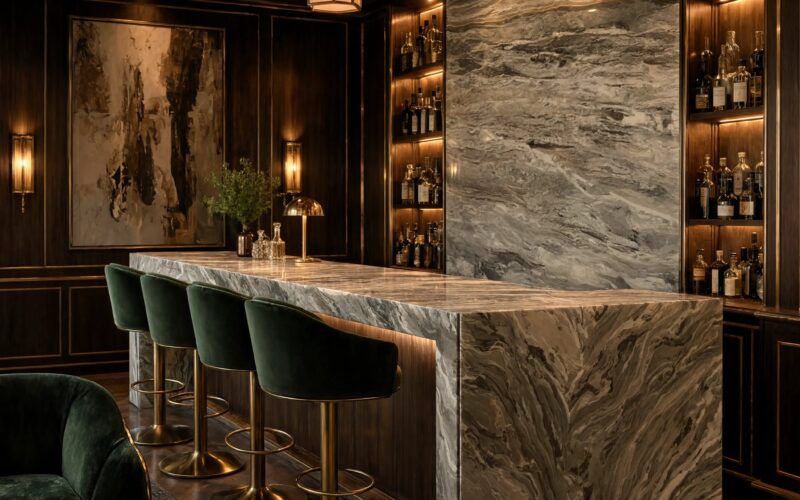
There are a few natural stones that have been debated for years and years, and yes, Fantasy Brown Marble is one of them. Walk around any slab yard and ask different places, and you’ll get a different answer depending on who’s behind the counter. Marble, granite, or quartzite. Sometimes all three, because it can be that difficult even for the representatives and designers. We’ve been sourcing natural stone for over sixty years, and we can tell you this: the confusion is real, it’s industry wide, and it has a very specific explanation. And if you’re ready, we’ll share it with you!
Why It’s Called Marble, Granite, or Quartzite Stone at the Same Time?
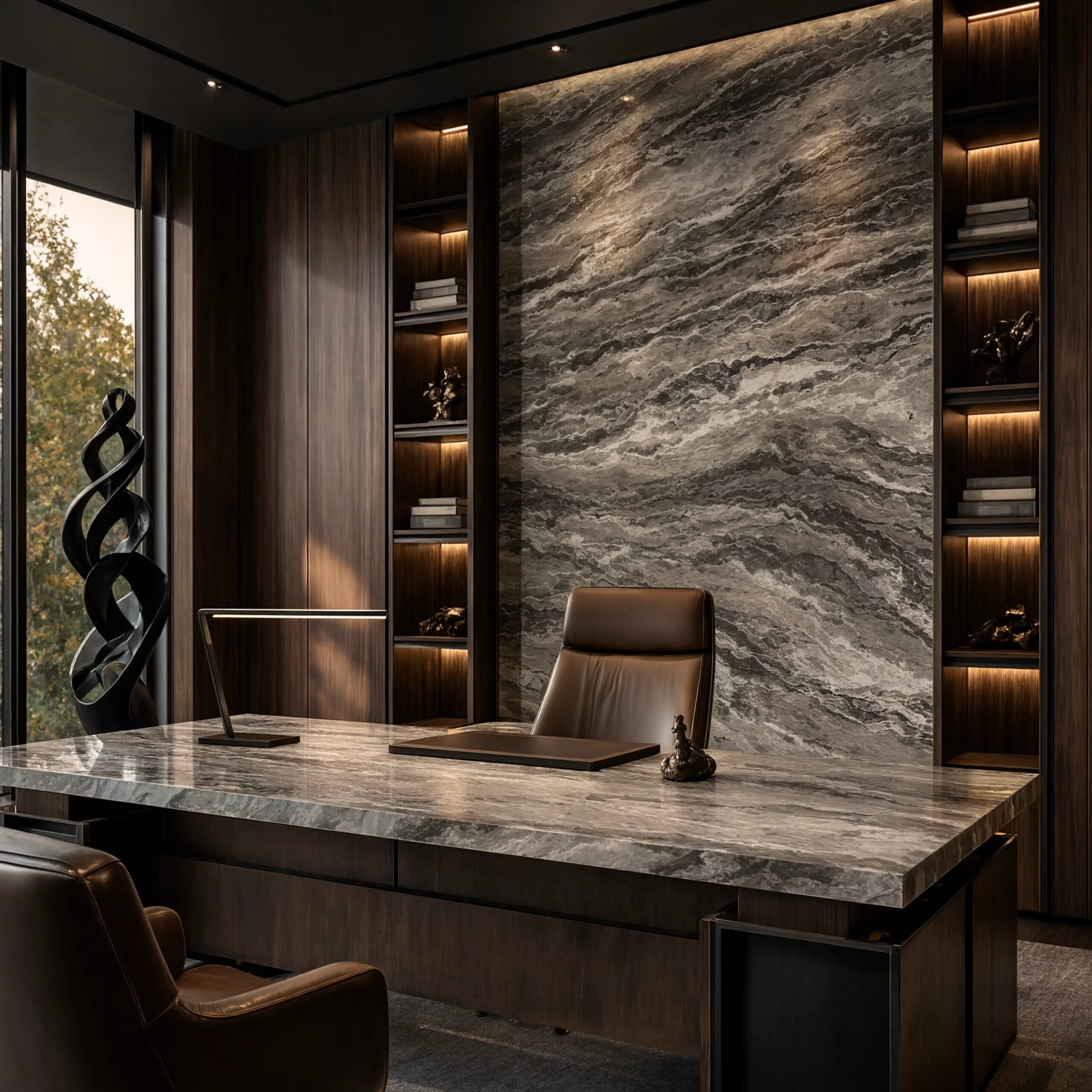
Fantasy Brown is quarried in Rajasthan, India, a region with some of the world’s most extraordinary natural stone deposits. In our sourcing experience, we’ve seen the same block leave a quarry and arrive at different U.S. distributors under three completely different names. “Fantasy Brown Granite” on one invoice. “Fantasy Brown Quartzite” on another. “Fantasy Brown Soft Quartzite” on a third. None of them is technically wrong; to be honest, and unfortunately, none of them is technically right enough to be called accurate.

The reason this happens is commercial as much as geological. “Granite slab” is what most homeowners trust; it sounds durable, familiar, and low maintenance. So some distributors lean into that label. Others use “quartzite slab” because it implies hardness and performance. The stone is standing right in the middle, wearing whatever label sells best in a given market. What gets lost in that process is what fantasy brown marble actually is, and what that means for how you live with it.
So, What Natural Stone is Fantasy Brown?
After explaining why this debate is a mess, we’ll give the exact answer now. All marble starts life as limestone, a sedimentary rock that forms at the bottom of ancient seas. Over millions of years, extreme heat and pressure transform that limestone into marble. Fantasy Brown went through this same process, which makes it marble at its core. But it also went through something extra: a process called dolomitization, where magnesium rich fluids move through the stone during formation and chemically alter its composition.
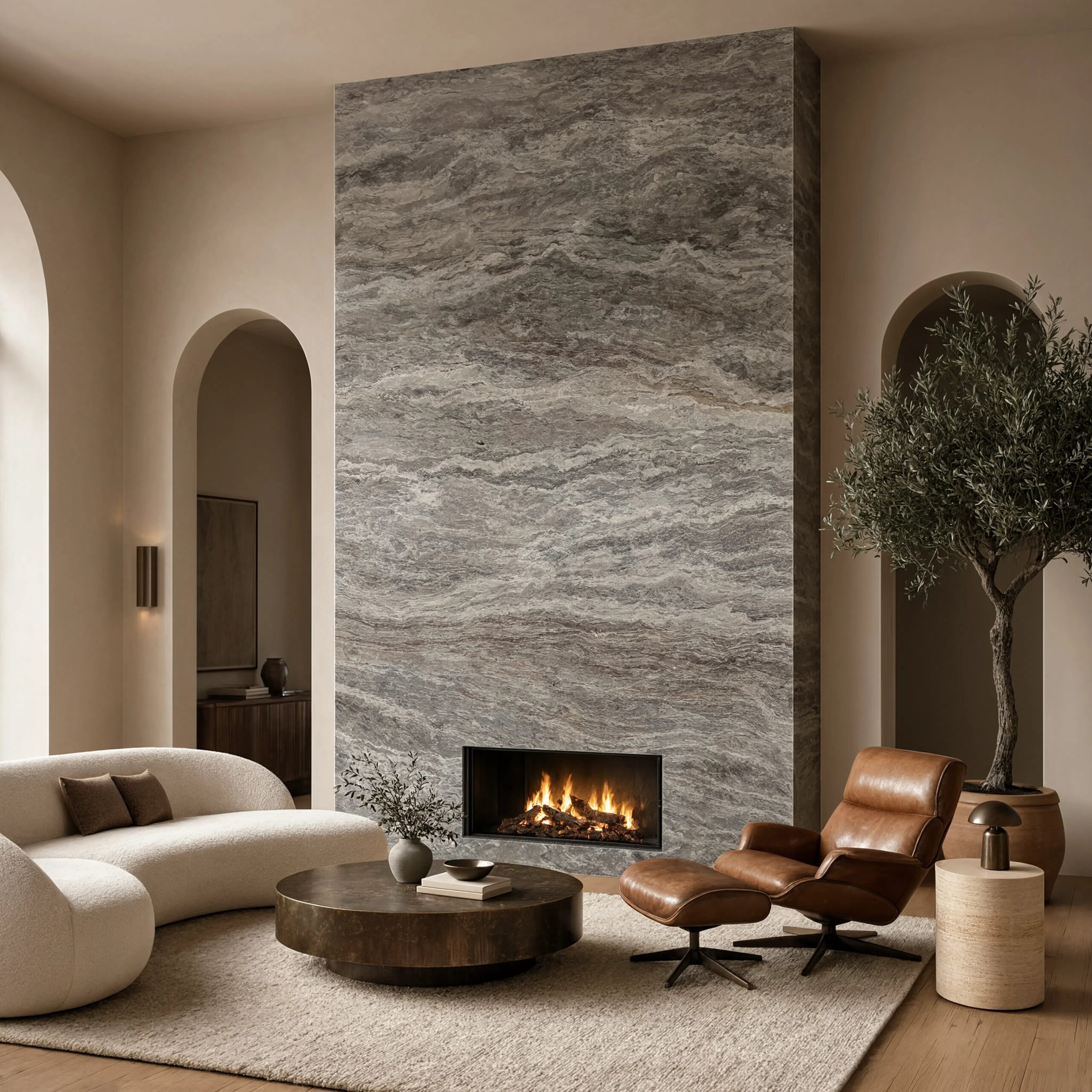
Think of it like this: a regular marble is limestone that got cooked once. Fantasy Brown marble is limestone that got cooked, then marinated. The result is a natural stone slab that’s harder, denser, and more resistant than standard marble slabs, but still not in the same category as true quartzite or granite.
The most accurate name for it? Dolomitic marble. Or, if you want to keep it simple, it’s a hard marble.
A detail most people don’t know: When our stone specialists perform an acid scratch test on Fantasy Brown slabs, the standard field test used to identify marble, some sections of the same marble slab will etch; others won’t. That inconsistency within a single slab tells you everything about why even the experts disagree.
How Does It Actually Perform? Client Experiences From Real Life
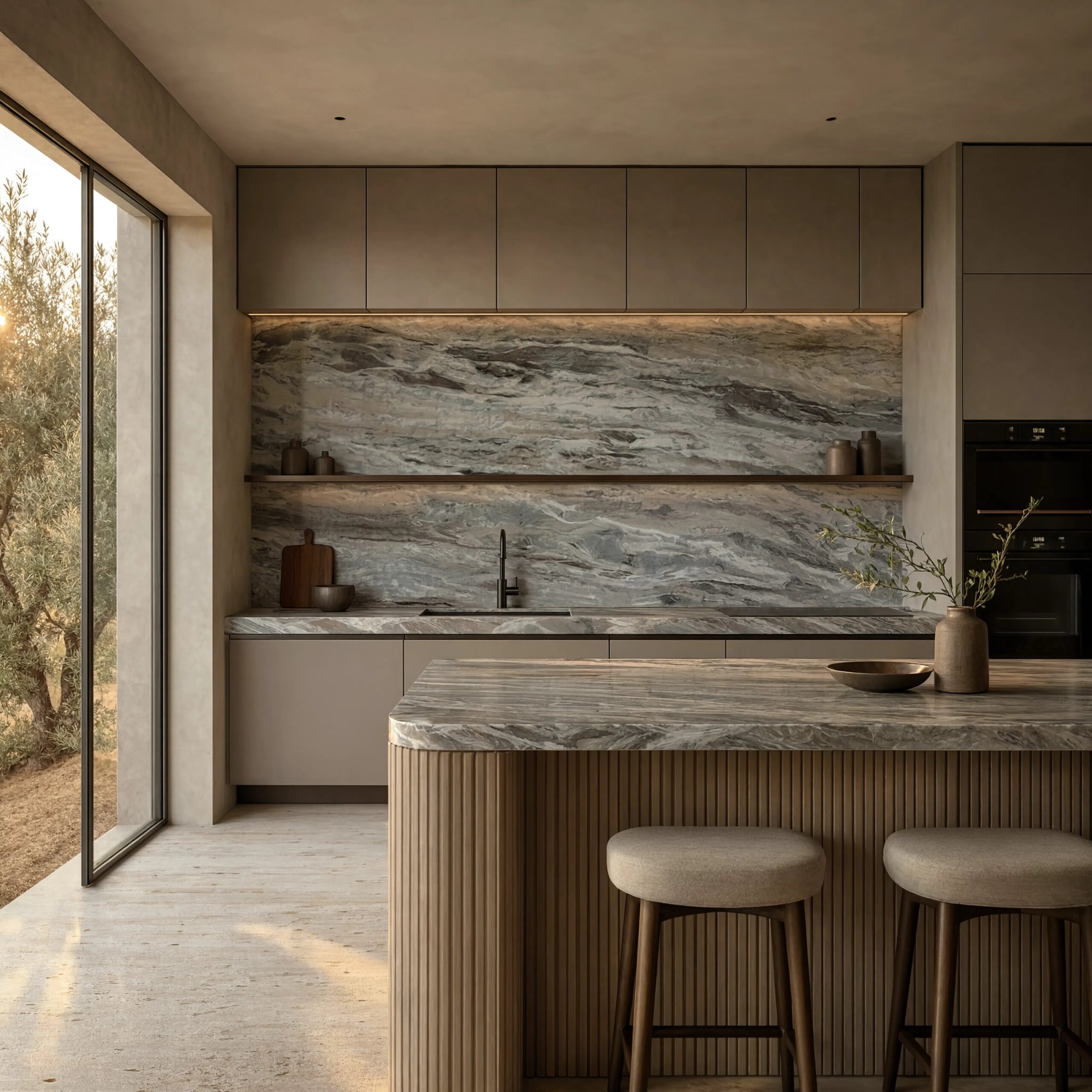
This is where we’re going to talk about your future fantasy brown marble countertop decisions. Designers who’ve specified Fantasy Brown for kitchen projects tell us the same thing: it handles daily use for busy households better than they expected from a stone sold as marble, but it still needs sealing just like any other marble kitchen island and more, and it still responds to acidic spills over time. It’s more forgiving than Carrara Marble or Calacatta, but it’s not granite.

One detail our contractor clients have informed us repeatedly in commercial slab installations: a leathered finish changes the equation! The textured surface created by the leathering process masks etching far better than a polished finish, which makes it a much stronger choice for high traffic kitchen surfaces, bar tops, and restaurant counters where maintenance windows are tight.
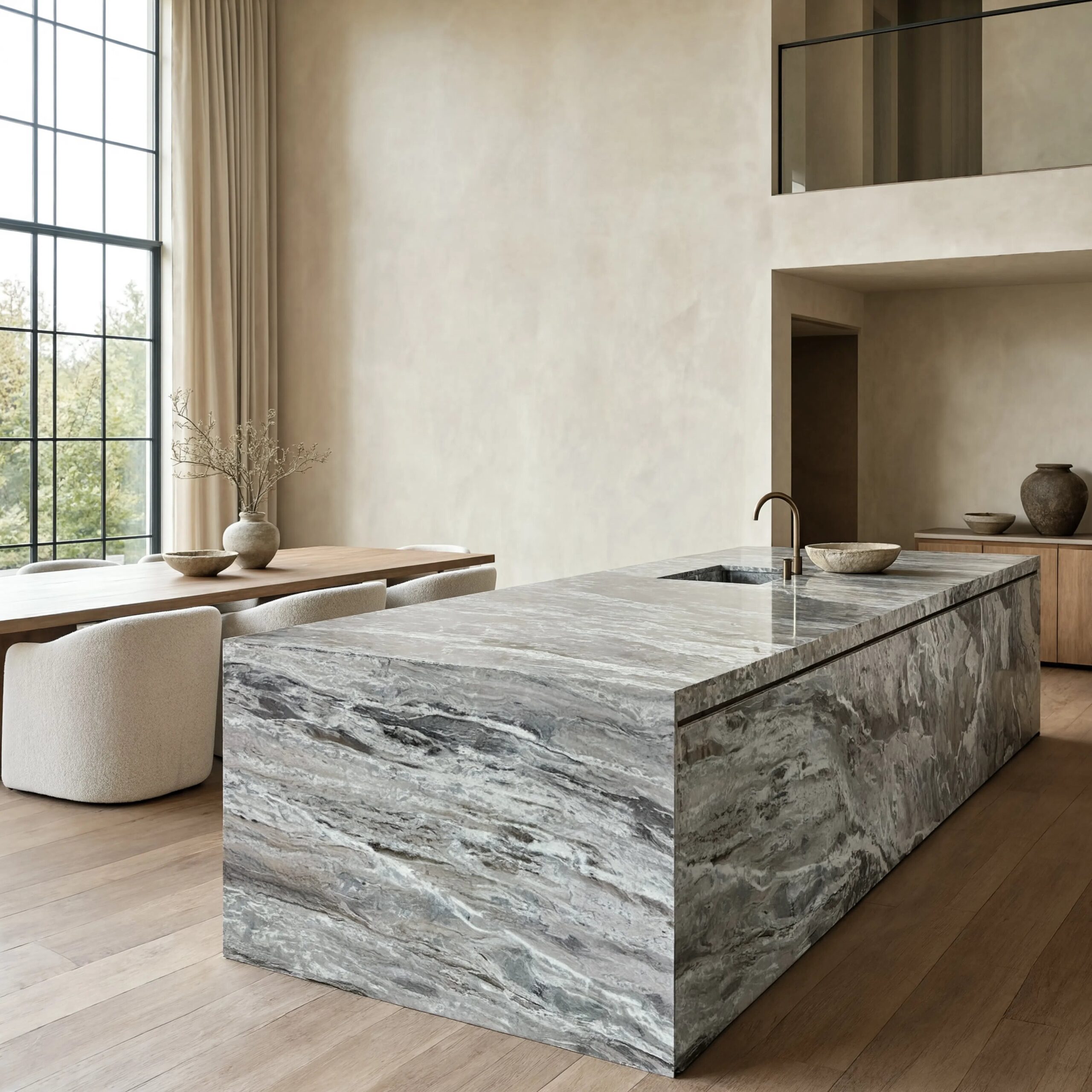
For fantasy brown waterfall island applications specifically, one of the most popular uses we see, slab to slab color variation in Fantasy Brown, is much easier to see compared to the other natural stone slabs. The warm browns, cool grays, and creamy whites shift noticeably from block to block. Bookmatching requires careful selection; that’s the tip that’ll save you from “oops” moments for a wrongly made bookmatched slab.
Where Fantasy Brown Marble Works Best and Where to Be Careful?
Kitchen Islands and Countertops: Fantasy Brown’s warm, earthy palette matches way too well with white kitchen cabinetry. It’s the combination we see most often in our residential kitchen renovations, and it works because the stone provides all the grounding aesthetic that the white cabinets can’t.
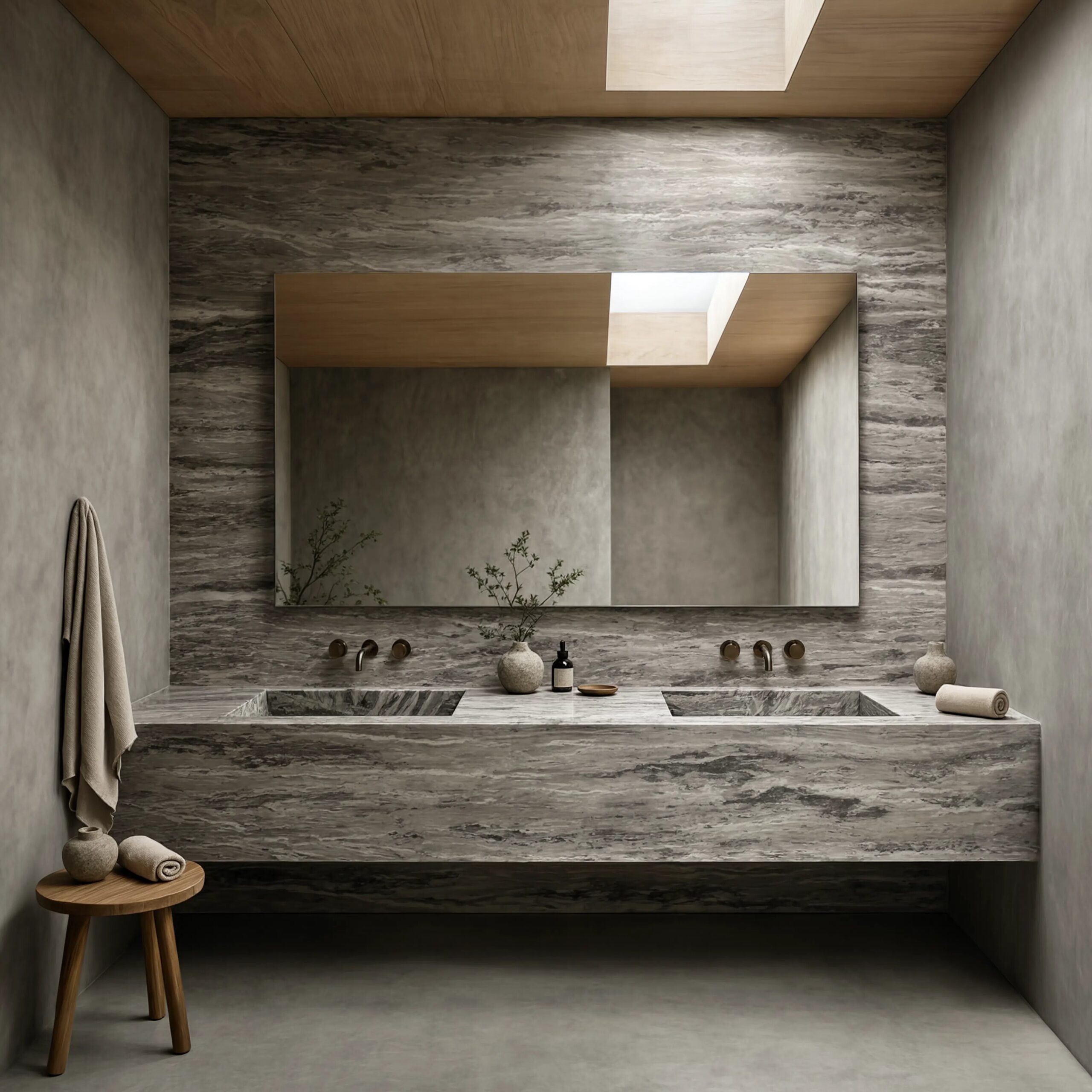
Bathroom Vanity Tops: This marble vanity top works really well here. Lower exposure to acidic substances means the stone holds up well, and the visual movement looks beautiful in a bathroom, especially when it’s matched with natural stone tile flooring.
Fireplace Surrounds: One of its best applications. No acid exposure, dramatic visual impact, and the leathered finish option make it even more attractive than it usually is. Looks like a warm winter night, even before lighting the fireplace.
Where to Think Twice: Outdoor applications are not recommended; the dolomitic composition doesn’t handle freeze thaw cycles well. And if you’re pairing Fantasy Brown with very light grout, be aware that color variation between slabs becomes more visible as the installation ages.
Fantasy Brown Marble Is Waiting For You In The Showroom
At Marble Systems, we’re always happy to inform you about what we know and inspire you with what we have! Browse our marble slab collections online or visit one of our showrooms to experience them in real life. And if you have more questions, let’s talk about your renovation project details in our slab showroom near you.