slabs-marble-bg-img
Explore the

Marble Slabs & Countertops

A marble slab is a solid, continuous stone piece cut directly from a quarry block. Unlike marble tiles, a slab displays the full flow of its veining because it's a bigger piece than a tile, and you have a chance to see…

Read more

the stone in a bigger way. No two marble slabs look the same, even though they are from the same quarry. If you're not a fan of repetitive fabric marble look on your slab designs, choosing a customized marble or your favorite color can make you happy!

478 Available
products
Trade supply for every project

Source marble tile with confidence for your project.

Showing 1–16 of 478 resultsSorted by popularity

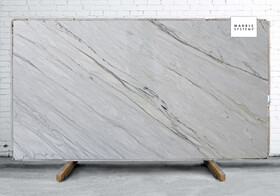
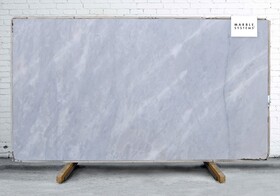
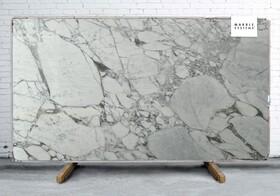
Iceberg Polished Marble Slab Random
Iceberg Polished Marble Slab
Thickness:3/4" thick
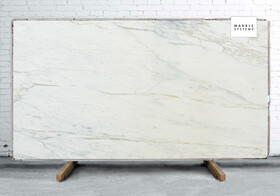
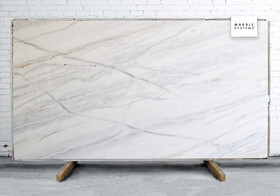
Calacatta Imperial Honed Marble Slab Random
Calacatta Imperial Honed Marble Slab
Thickness:1 1/4" thick
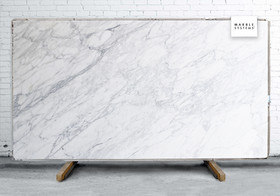
Calacatta Vagli Oro Honed Marble Slab Random 3/4 Image
Calacatta Vagli Oro Honed Marble Slab
Thickness:3/4" thick
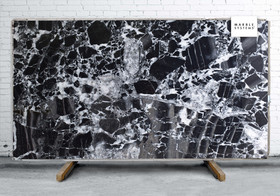
Fantastico Arni Honed Marble Slab Random
Fantastico Arni Honed Marble Slab
Thickness:3/4" thick
Calacatta Bluette Honed Marble Slab Random
Calacatta Bluette Honed Marble Slab
Thickness:3/4" thick
Calacatta Vagli Supreme Polished Marble Slab Random
Calacatta Vagli Supreme Polished Marble Slab
Thickness:3/4" thick
Neptune White Honed Marble Slab Random
Neptune White Honed Marble Slab
Thickness:3/4" thick
Calacatta Belgia Honed Marble Slab Random 1 1/4 Image
Calacatta Belgia Honed Marble Slab
Thickness:1 1/4" thick
Grand Antique Polished Marble Slab Random
Grand Antique Polished Marble Slab
Thickness:1 1/4" thick
Calacatta Miele Classic Polished Marble Slab Random
Calacatta Miele Classic Polished Marble Slab
Thickness:3/4" thick
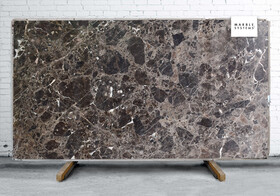
Emperador Dark Polished Marble Slab Random
Emperador Dark Polished Marble Slab
Thickness:1 1/4" thick
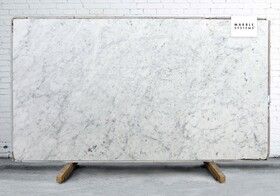
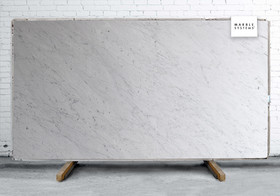
White Carrara Polished Marble Slab Random
White Carrara Polished Marble Slab
Thickness:1 1/4" thick
Avenza Honed Marble Slab Random
Avenza Honed Marble Slab
Thickness:1 1/4" thick
Calacatta Carrara Polished Marble Slab Random 1 1/4 Image
Calacatta Carrara Polished Marble Slab
Thickness:1 1/4" thick
Calacatta Vagli Polished Marble Slab Random
Calacatta Vagli Polished Marble Slab
Thickness:1 1/4" thick
Bianco Lasa Vena Polished Marble Slab Random
Bianco Lasa Vena Polished Marble Slab
Thickness:1 1/4" thick

A guide to designing with marble slabs & countertops

Everything architects, designers and project teams need to know about sourcing, specifying and installing marble slabs & countertops — material characteristics, recommended applications and long-term care from Marble Systems.

FREQUENTLY ASKED QUESTIONS

Granite countertops are harder and more scratch resistant than marble. But let us share a detail with you: there’s a reason you’ll find marble countertops in the world’s most famous patisseries and luxury kitchens: its naturally cool surface is totally on point for baking, and while it requires a bit more maintenance than granite, many homeowners love its lived in soul that it brings to the kitchen, making it one of the most chosen marble countertops for kitchen islands where style and soul matter more than just a hardness scale.

The frequency of sealing marble countertops depends on various factors such as the type of marble, the level of use, and the specific sealer used. However, as a general guideline:

  1. Newly Installed Marble: If your marble countertops are newly installed, they may require an initial seal to protect against stains and etching. This initial seal is crucial to establish a barrier that helps repel liquids and prevent absorption into the stone. Depending on the type of marble and sealer, this initial seal may need to be reapplied within a few months to a year. This initial sealer can be a color-neutral or color enhancer.  Darker colors may require a color-enhancing sealer to bring out the color. In addition,  there are oil-based sealers vs. water-based sealers.  Oil-based sealers will last longer.
  2. Regular Maintenance: After the initial sealing, marble countertops typically need to be resealed periodically to maintain their protection and appearance. The frequency of resealing can vary but is often recommended every 6 months to 1 year for most marble countertops in kitchens and high-traffic areas.
  3. Heavy Use and Exposure: If your marble countertops experience heavy use, frequent spills, or exposure to acidic substances (e.g., citrus juices, and vinegar), they may require more frequent sealing. In such cases, you may need to monitor the condition of the marble and consider resealing every 3 to 6 months for optimal protection.
  4. Test for Sealing: A simple test to determine if your marble countertops need resealing is the water droplet test. Place a few drops of water on the surface and observe how the water behaves:
    • If the water beads up and sits on the surface without being absorbed, the seal is intact.
    • If the water quickly absorbs into the marble and creates a dark spot, it's time to reseal the countertops.

While marble is heat resistant to some extent, it's generally not recommended to place hot pans directly on marble countertops for a long time.. Here's why:

  1. Potential for Thermal Shock: Marble is a natural stone with a certain level of porosity. When exposed to sudden extreme temperature changes, such as placing a hot pan directly on a cool marble surface, the marble can experience thermal shock. This can lead to staining.
  2. Risk of Staining or Discoloration: In addition to thermal shock, placing hot items directly on marble can also increase the risk of staining or discoloration. The heat can cause the marble to react with any spills or residues on the surface, leading to potential damage or marks.

To protect your marble countertops from heat damage, it's best to use trivets, hot pads, or heat-resistant mats to place hot pans and dishes on. These protective measures create a buffer between the hot item and the marble surface, reducing the risk of thermal shock and potential damage. Additionally, wiping up spills or splatters promptly can help prevent staining or discoloration over time.

Polishing marble countertops can help restore their shine and luster, giving them a beautiful and renewed appearance. Please note that polishing dull spots is different than polishing marble slabs. Which will require mechanical grinders and polishing pads.  Here's a step-by-step guide on how to polish marble countertops:

  1. Gather Your Supplies:
    • Soft cloths or microfiber towels
    • Marble polish or a pH-balanced stone cleaner
    • Water
    • Sealer (optional)
    • Protective gloves (optional)
  2. Clean the Countertops:
    • Start by cleaning the marble countertops with a mild, pH-balanced stone cleaner or a mixture of warm water and a few drops of dish soap.
    • Use a soft cloth or sponge to wipe down the surface, removing any dirt, grime, or residue.
  3. Remove Stains (if needed):
    • For stubborn stains or discoloration, you can create a paste of baking soda and water.
    • Apply the paste to the stained area, cover it with plastic wrap, and let it sit overnight.
    • The next day, gently wipe away the paste and rinse the area with water.
  4. Polish the Countertops:
    • Once the countertops are clean and dry, apply a marble polish according to the manufacturer's instructions.
    • Typically, you'll spray or apply the polish onto the surface and then buff it in with a soft cloth or polishing pad.
    • Work in small sections, applying the polish evenly and using circular motions to buff the marble until it shines.
    • Repeat this process as needed until you achieve the desired level of shine and polish.
  5. Buff and Dry:
    • After polishing, use a clean, dry cloth or microfiber towel to buff the countertops and remove any excess polish or residue.
    • This step helps to reveal the full shine of the marble and ensures a streak-free finish.
  6. Optional: Apply Sealer (if desired):
    • If you want to add an extra layer of protection to your marble countertops, you can apply a marble sealer after polishing.
    • Follow the manufacturer's instructions for the specific sealer you're using, and allow the countertops to dry completely before using them.
  7. Regular Maintenance:
    • To keep your marble countertops looking their best, clean up spills promptly, use coasters or trivets to protect the surface from hot items, and avoid harsh chemicals or abrasive cleaners that can damage the marble.

By following these steps and maintaining regular cleaning and care, you can keep your marble countertops looking polished and beautiful for years to come.

The choice between marble and quartz for countertops depends on your specific needs, preferences, and priorities. Both materials have distinct characteristics and advantages, so it's important to consider several factors before making a decision.

Advantages of Marble:

  1. Aesthetics: Marble is prized for its natural beauty, elegant veining patterns, and unique colors. It adds a luxurious and timeless look to any space.
  2. Heat Resistance: Marble is generally heat resistant, which means it can withstand hot pots and pans placed directly on the surface without being damaged.
  3. Cooler Surface: Marble tends to stay cooler than quartz or other materials, making it a comfortable choice for baking and food preparation.

Advantages of Quartz:

  1. Durability: Quartz is extremely durable and resistant to scratches, stains, and impacts. It doesn't require sealing like marble and is less prone to etching from acidic substances.
  2. Low Maintenance: Quartz countertops are easy to clean and maintain. They require minimal upkeep and are highly resistant to staining and bacterial growth.

Factors to Consider:

  1. Maintenance: Marble requires regular sealing and more care to prevent staining, etching, and scratching. Quartz is virtually maintenance-free and more forgiving in terms of daily use.
  2. Cost: Marble can be more expensive than quartz, especially if you're considering rare or high-end varieties. Quartz is often more affordable and has a more consistent price range.
  3. Style Preference: Consider your overall design aesthetic and how marble or quartz will complement your space. Marble offers a classic and elegant look, while quartz provides a modern and versatile appearance.

Marble can be a good choice for countertops, but it's important to consider both the advantages and disadvantages before making a decision.

Advantages of Marble Countertops:

  1. Aesthetics: Marble is prized for its natural beauty, elegant veining patterns, and a range of colors from whites and grays to more exotic hues. It can add a luxurious and timeless look to your kitchen or bathroom. Marble is considered unique and keeps its value. 
  2. Heat Resistance: Marble is generally heat resistant, which means it can withstand hot pots and pans placed directly on the surface without being damaged. However, it's still recommended to use trivets or hot pads to protect the marble and prevent potential thermal shock.
  3. Durability: While marble is softer than some other natural stones like granite, it is still durable and can last for many years with proper care and maintenance. Sealing the surface regularly helps protect against stains and etching.

Disadvantages of Marble Countertops:

  1. Porosity: Marble is more porous than granite or quartz, which makes it prone to staining from acidic substances like lemon juice, vinegar, or wine. Spills should be cleaned up promptly to prevent permanent staining.
  2. Scratch and Etch Prone: Marble is softer and more susceptible to scratches and etching compared to harder stones like granite. Sharp objects or acidic foods can leave marks or dull spots on the surface.
  3. Maintenance: Marble requires regular sealing to protect against stains and etching. It's important to use pH-neutral cleaners and avoid harsh chemicals that can damage the stone.

Ultimately, whether marble is a good choice for your countertops depends on your lifestyle, preferences, and willingness to maintain and care for the stone. If you love the look of marble and are willing to take precautions and provide ongoing maintenance, it can be a beautiful and functional option. However, if you prefer a countertop material that is more resistant to staining and scratching, you may want to consider alternatives like granite, quartz, or engineered stone.  Please keep in mind that these more functional materials are common and will not increase your home value. 

You can buy marble slabs from various sources, including local stone suppliers,  and specialty marble fabricators. Here are some options:

  1. Local Stone Suppliers: Visit local stone yards or suppliers that specialize in natural stone products. They typically have a wide selection of marble slabs in various colors and patterns. You can search online or check local directories to find stone suppliers in your area. These companies are also known as fabricators or marble shops.
  2. Specialty Marble Importers: Some Importers specialize in marble and other natural stones. These stores often have a larger selection of marble slabs, including rare or exotic varieties. They may also offer custom fabrication services. These importers such as Marble Systems, BAF,  New York Stone, and Gerard Dente importers find unique marbles around the World. 

When buying marble slabs, consider factors such as the quality of the stone, the reputation of the supplier, shipping or delivery options, and any additional services like fabrication and installation that may be offered. It's also a good idea to request samples or visit a showroom to see the marble in person before making a final decision.

The price of a slab of marble can vary significantly depending on several factors such as the type of marble, quality, size, thickness, and uniqueness. Due to the fact there is no uniform grading or standardization of quality, prices vary from piece to piece per square foot. 

As of my last update in early 2022, here are some rough estimates of the price range for marble slabs:

  1. Basic Marble: Basic marble slabs can start at around $40 to $50 per square foot. These are usually more common varieties with simpler patterns and fewer unique characteristics. These marbles could be Crema Marfil marble, or Marmara marble which are more abundant. 
  2. Mid-Range Marble: Mid-range marble, which includes popular types like Carrara, lowe-end Calacatta, and lower-end Statuario, can range from $50 to $100 per square foot. These are often higher quality and may feature more intricate veining patterns.
  3. High-End Marble: High-end marble, such as rare or exotic varieties such as Azul Macauba, and Blue Celeste with unique colors or intense veining, can cost anywhere from $100 to $400 or more per square foot. These are often considered luxury materials and are used in upscale projects. In addition, some unique stones like Onyx, are considered exotic marble even though they are different species of stone. 

Generally, marble is considered to be more expensive than granite. Here are a few reasons why:

  1. Availability: Marble is usually more limited in terms of availability compared to granite. Certain types of marble, such as rare varieties with unique veining patterns or colors, can be particularly expensive due to their scarcity. In addition due its unique veining and look, certain types of marbles are like pieces of art. 
  2. Cost of Extraction: Marble extraction can be more labor-intensive and costly than granite extraction, especially for high-quality marble quarried from specific regions like Carrara in Italy. Marble is more fragile and rare. 
  3. Processing and Finishing: Marble often requires more careful processing and finishing due to its softer nature compared to granite. This can contribute to higher costs, especially for intricate designs or custom cutting.
  4. Market Demand: Marble is often seen as a luxury material and is in high demand for high-end residential and commercial projects. This demand can also influence pricing, driving up the cost of marble compared to granite.

  1. Carrara Marble: Quarried in Carrara, Italy, this type of marble is known for its white or blue-gray color with soft, veining patterns. It's widely used in sculpture and building decor, including countertops and flooring. It is one of the oldest marble quarries in the World, as well as one of the largest production of white marbles.
  2. Calacatta Marble: Also from Italy, Calacatta marble features a bright white background with bold, dramatic veining in shades of gold and gray. It's often considered a luxurious choice for countertops, backsplashes, and wall cladding. Due to its unique white background and gray or beige veins, it became very fashionable in the last several decades. Real Calacatta marble from Betoli quarry is considered the ultimate interior design fashion statement.
  3. Statuario Marble: Another Italian marble, the Statuario is prized for its pure white color and striking gray veining. It's often used in high-end applications such as flooring, countertops, and decorative elements in upscale interiors. This is similar to Calacatta Marble and often it is confused with Statuary Marble. Indeed some blocks of this material is hard to tell the difference. Inside the blocks of Statuary, some selections look identical to Calacatta and vice versa.  Regardless, these are some of the most beautiful pieces of stone in the World. Real Statuary or Statuario marble has a solid creamy white background with distinct gray or beige veins. Even vein distribution on the pieces of marble makes it unique.

Marble slabs are large, flat pieces of marble usually cut into ¾” thick or 1 ¼” thick pieces. These slabs are typically used in interior decoration pieces such as kitchen countertops, bathroom vanity tops, fireplace surrounds, and interior walls. They are cut from quarried blocks of marble and are known for their beauty, durability, and versatility. Marble slabs are commonly used for countertops, flooring, wall cladding, and decorative elements in homes, offices, and public spaces. They come in various colors, patterns, and finishes, making them a popular choice for adding elegance and sophistication to interior and exterior spaces. Some of the most popular varieties come from Italy, Greece, and Turkey.